
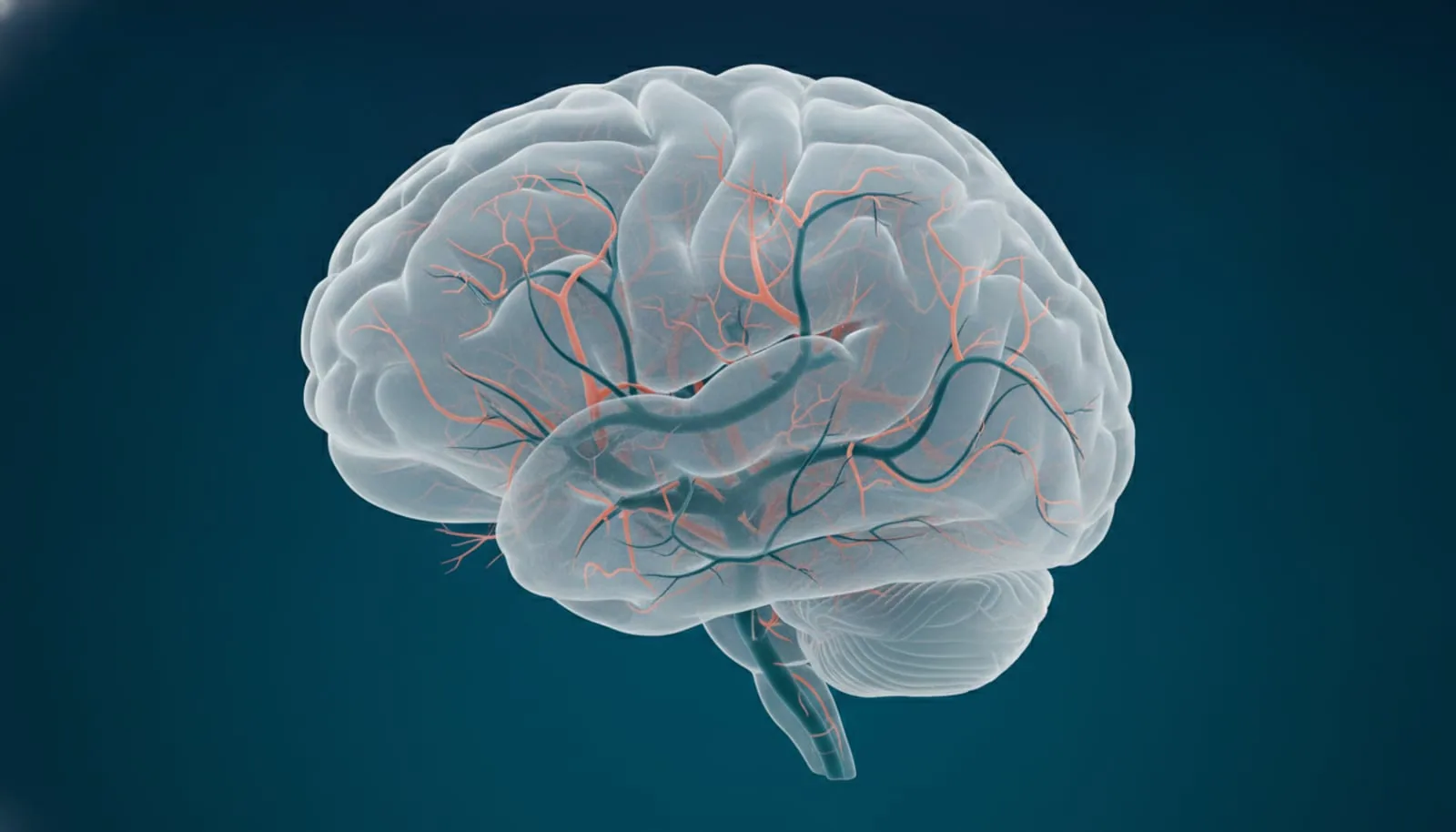
Patients who come in with dizziness almost always want to know one thing: "Could something be wrong with my brain?"
Most dizziness is peripheral vertigo, arising from the balance organ within the ear. BPPV, vestibular neuritis, and Meniere's disease are the main examples, characterized by spinning vertigo. The symptoms are distressing, but they respond well to appropriate treatment.
The concern is the minority of cases that are central vertigo — those in which stroke or cerebrovascular disease is the cause. If the following signs are present, seek care without delay.
Dizziness accompanied by slurred speech, double vision, weakness in the limbs on one side, or veering to one side when walking is a warning sign pointing to a problem in the brain.
In neurology, video nystagmography (VNG) together with brain MRI and MRA distinguishes peripheral from central causes precisely. Once the cause is established, the direction of treatment becomes clear. Do not endure recurring dizziness — get an accurate diagnosis.
— Director, Centum Neurology Clinic