Chronic neuralgia

Representative chronic neuralgias

Postherpetic pain syndromePain persisting along the affected dermatome after an episode of shingles
Atypical facial painFacial pain that does not fit the typical pattern of trigeminal neuralgia
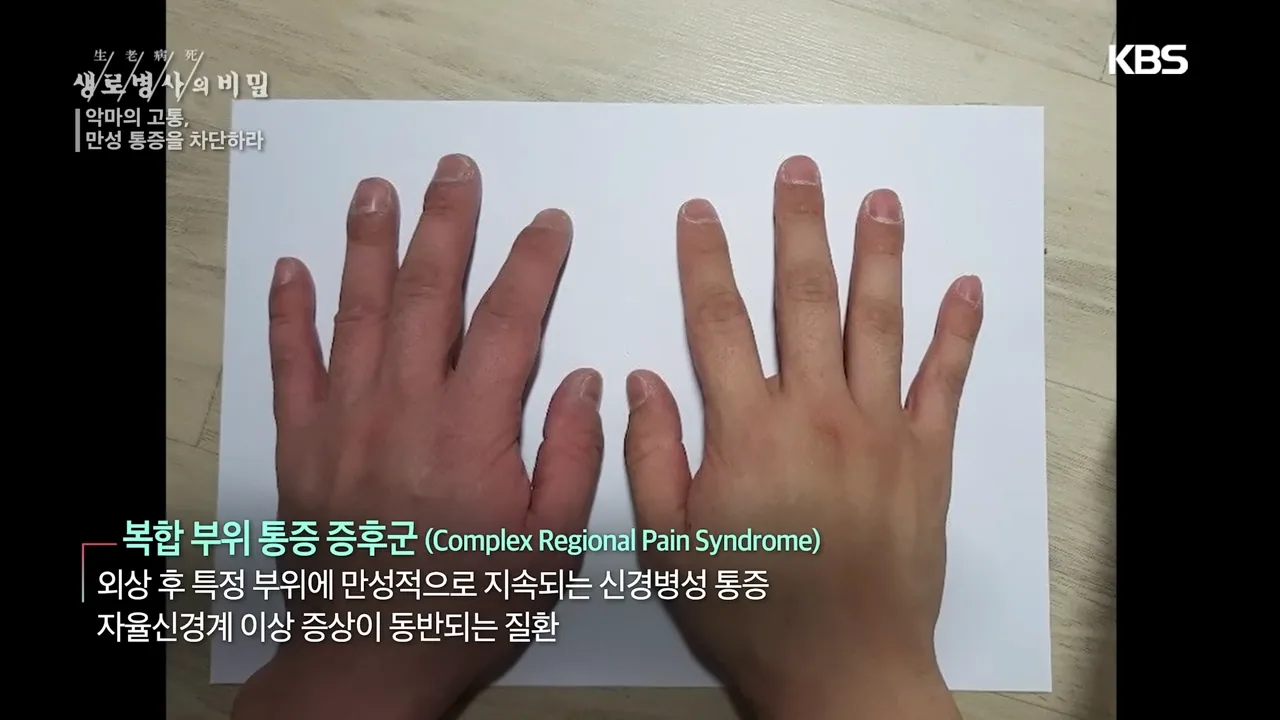
Complex regional pain syndrome (CRPS)Pain that persists out of proportion to the extent of the injury
FibromyalgiaWidespread muscle pain with tender points, accompanied by fatigue and sleep disturbance
Post-spinal-surgery pain syndromeWhen pain remains after spinal surgery or worsens again

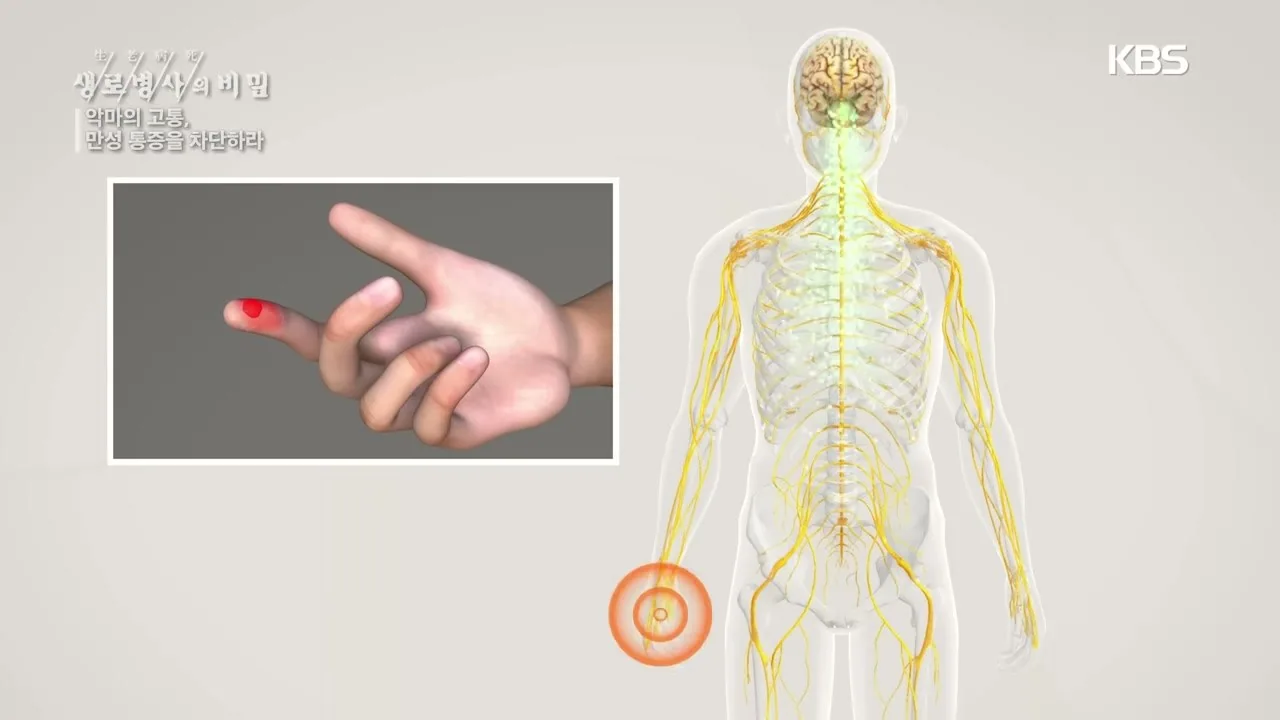
Chronic neuralgia is pain that persists beyond three months, a state in which the pain itself has become the disease. Often the pain circuits of the brain and spinal cord become excessively sensitized, so that even a small stimulus brings severe pain. Most chronic neuralgia becomes harder to cure the longer it persists. What matters most is detecting it as early as possible and using a range of treatments to prevent the pain circuits from becoming overactive.
Source: KBS "The Secret of Life and Death"

Chronic neuralgia treatments available at our clinic

Nerve blockBlocks and prevents overactivation of the pain circuits.
Autonomic nerve treatmentIt helps restore disturbed autonomic regulation.
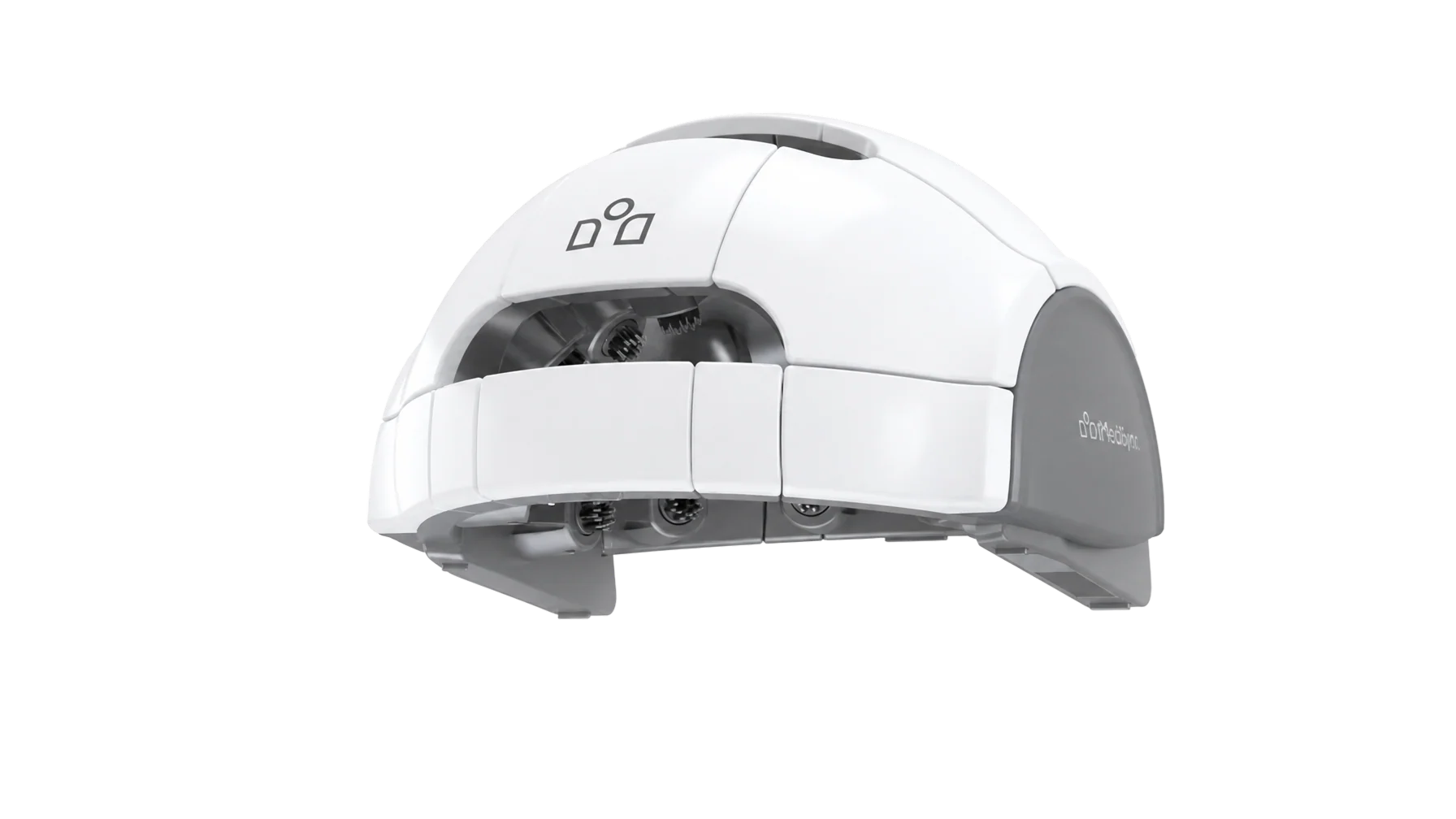
Transcranial magnetic stimulation (TMS)It is drawing attention as a new adjunctive treatment for chronic pain syndrome.
Careful adjustment of neuralgia medicationPrescribing by an experienced specialist makes a considerable difference.

※ This is general medical information provided for understanding only. Actual diagnosis and treatment are determined by a specialist after examination, based on the individual patient's condition.
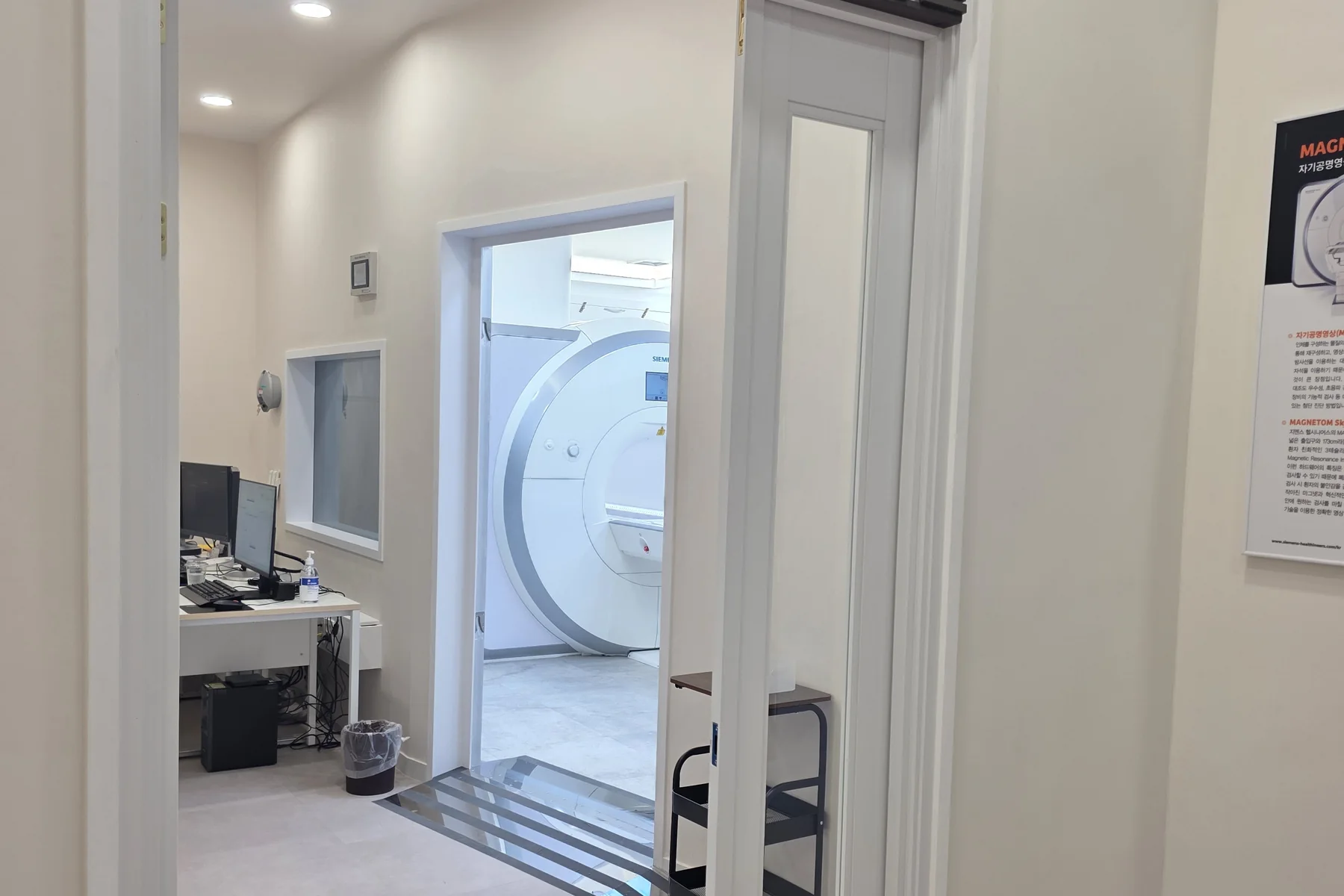
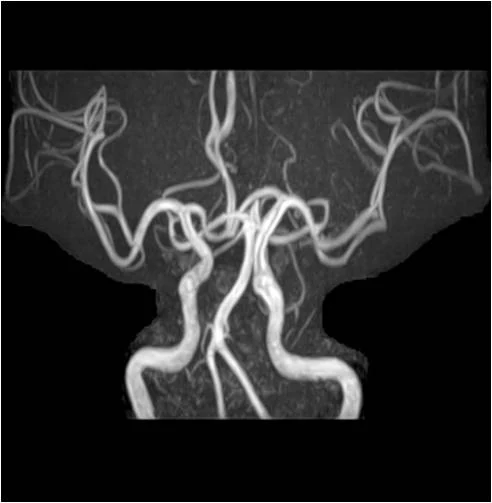
Advanced Equipment

  • SIEMENS3T AI MRIWe add AI imaging (Deep Resolve) to a proven Siemens 3T MRI to examine neurological conditions faster and more clearly.
  • MRACerebrovascular and carotid MRAIt accurately evaluates the degree of atherosclerosis, stenosis, structural abnormality, and the presence of aneurysm in the vessels of the brain and neck.
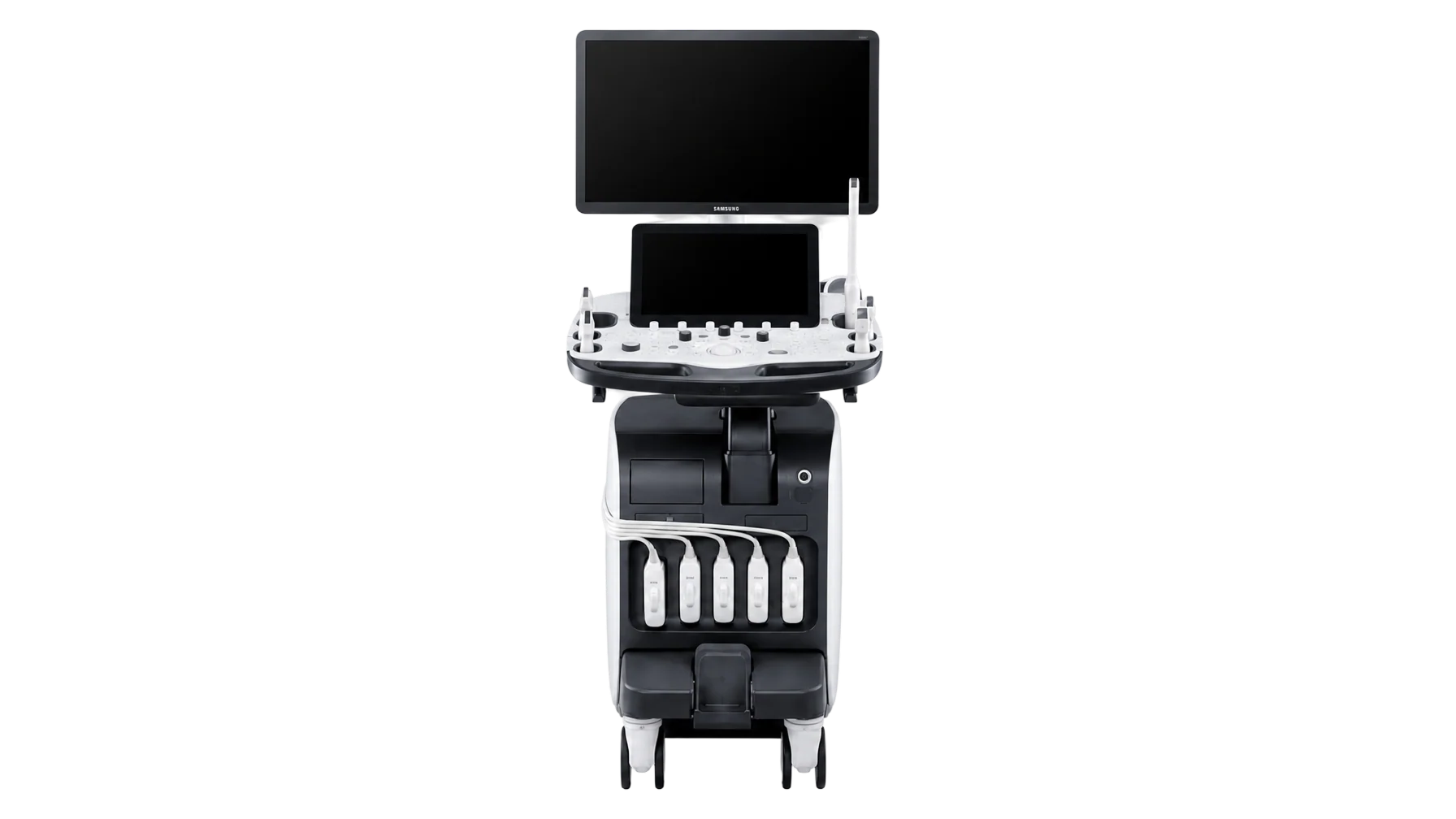
  • Carotid USCarotid UltrasoundCarotid wall thickness and plaque are examined to assess stroke risk.
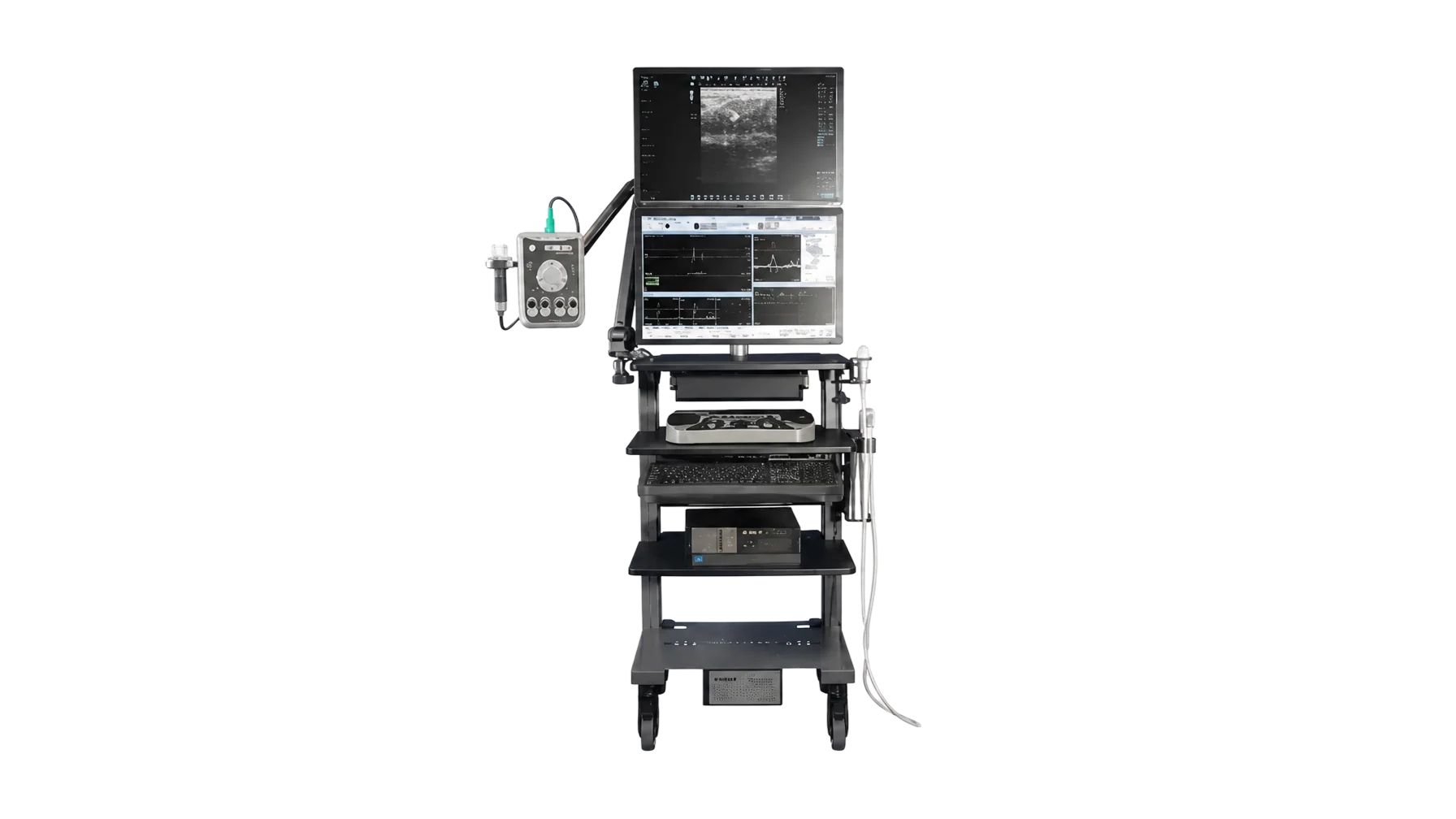
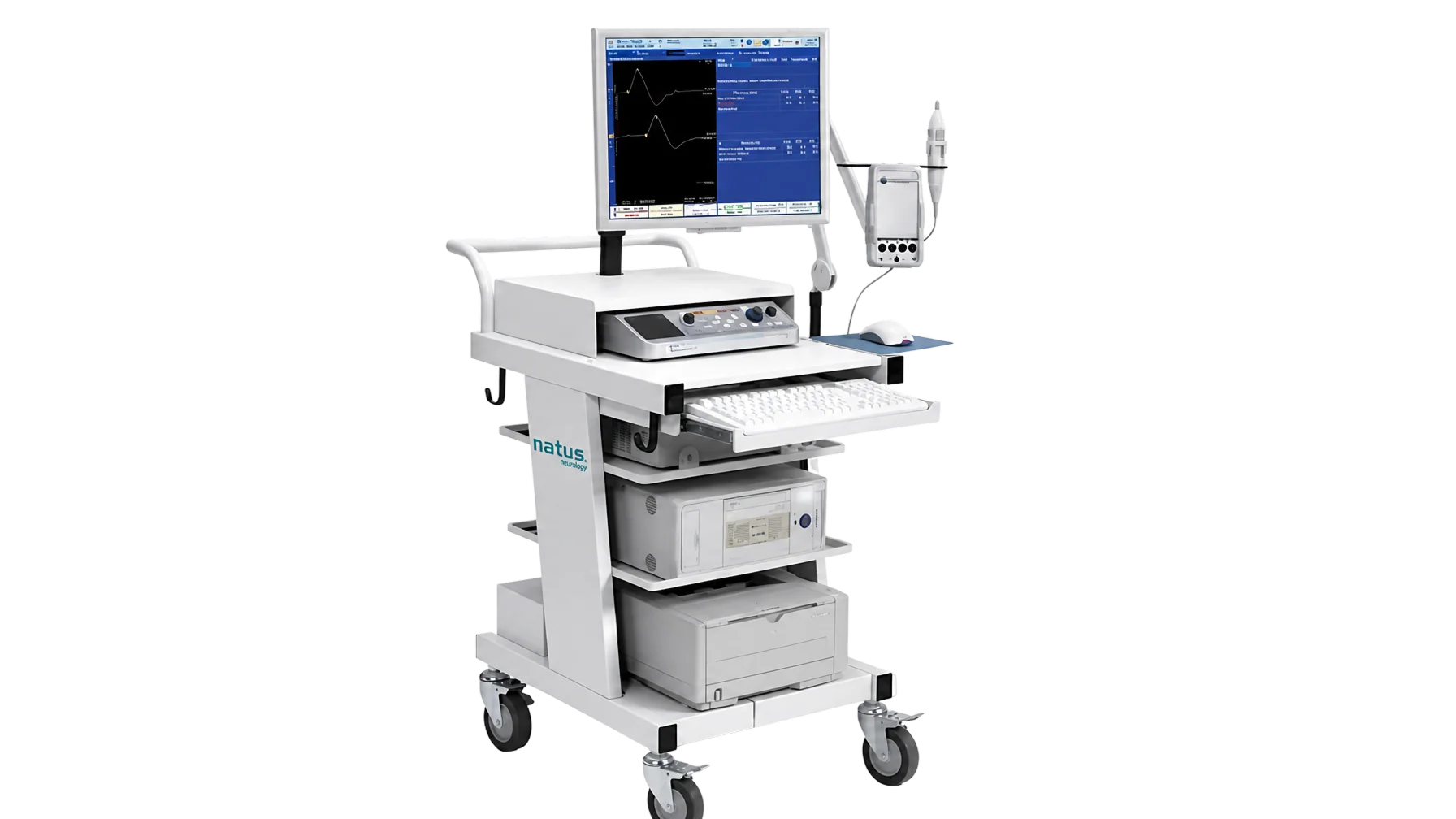
  • NCS / EMGNerve conduction studiesNerves in the arms, legs, and face are safely stimulated electrically and the responses recorded, establishing whether peripheral nerve damage is present and how severe it is.
  • EPEvoked potential testBy safely stimulating the visual and auditory pathways electrically, damage to the cranial nerves can be identified.
  • EEGAI digital EEGBeyond the conventional identification of epileptiform waveforms, quantitative EEG with the latest AI software aids in assessing brain function in headache, anxiety, and depression.
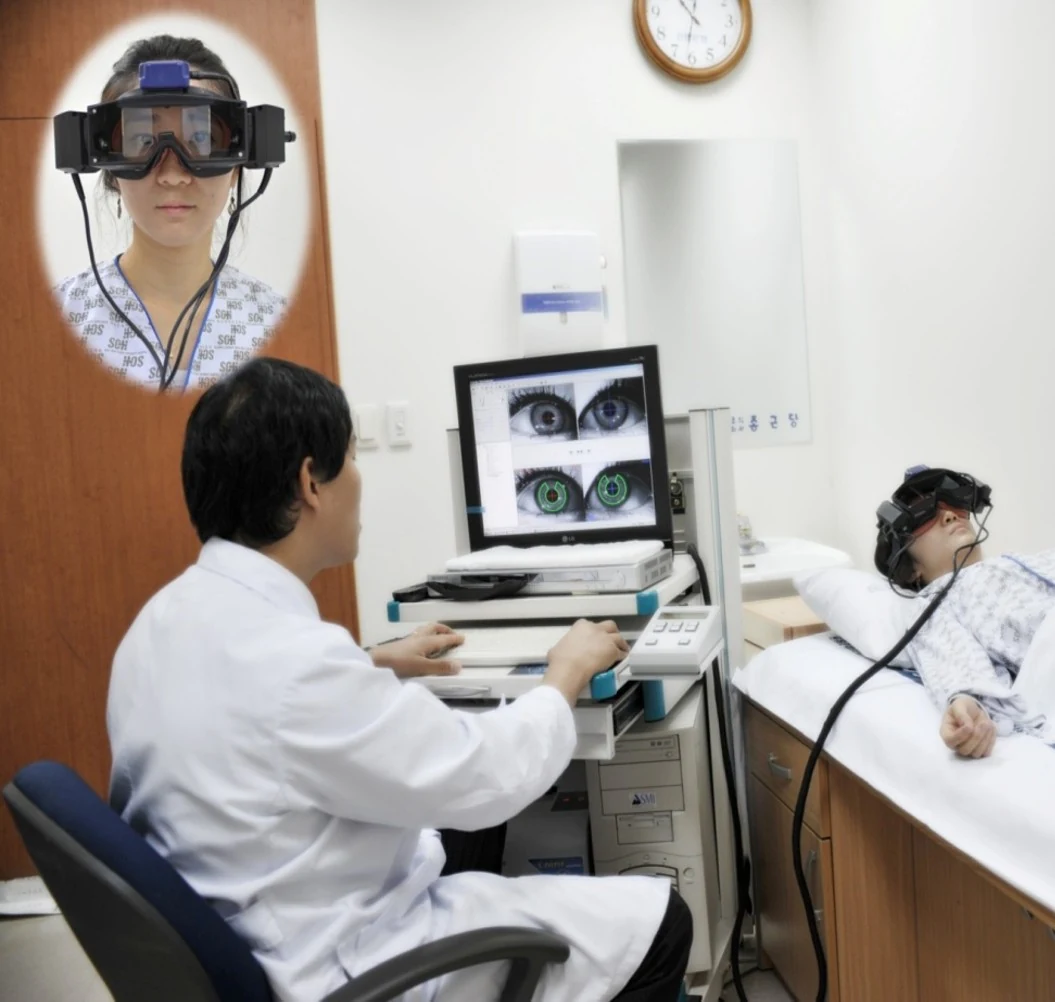
  • VNGVideo nystagmographyBy recording and analyzing involuntary eye movement on video, this test is useful for distinguishing dizziness disorders such as BPPV and Meniere's disease.
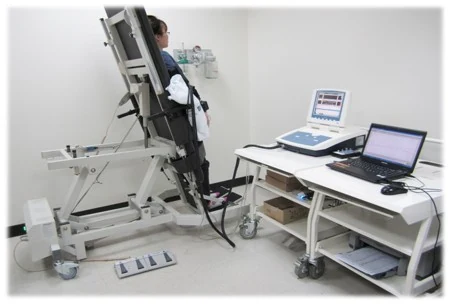
  • HRV / SSRAutonomic Function TestEquipment that objectively assesses the balance between the body's sympathetic and parasympathetic nerves.
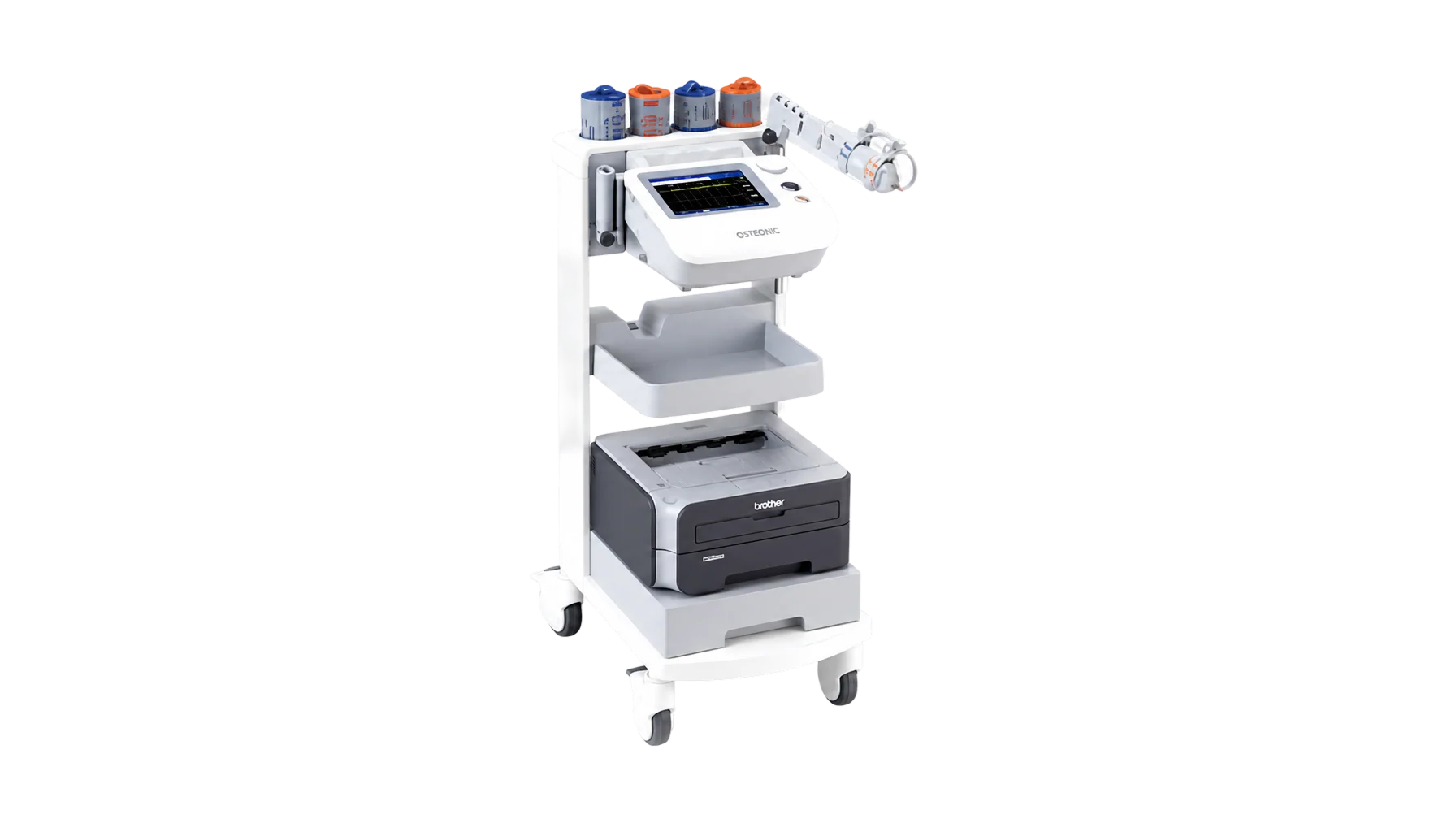
  • PWV / ABIArterial elasticity testingBy measuring vessel elasticity and the degree of atherosclerosis, it readily assesses the risk of circulatory disturbance and cardiovascular or cerebrovascular disease.
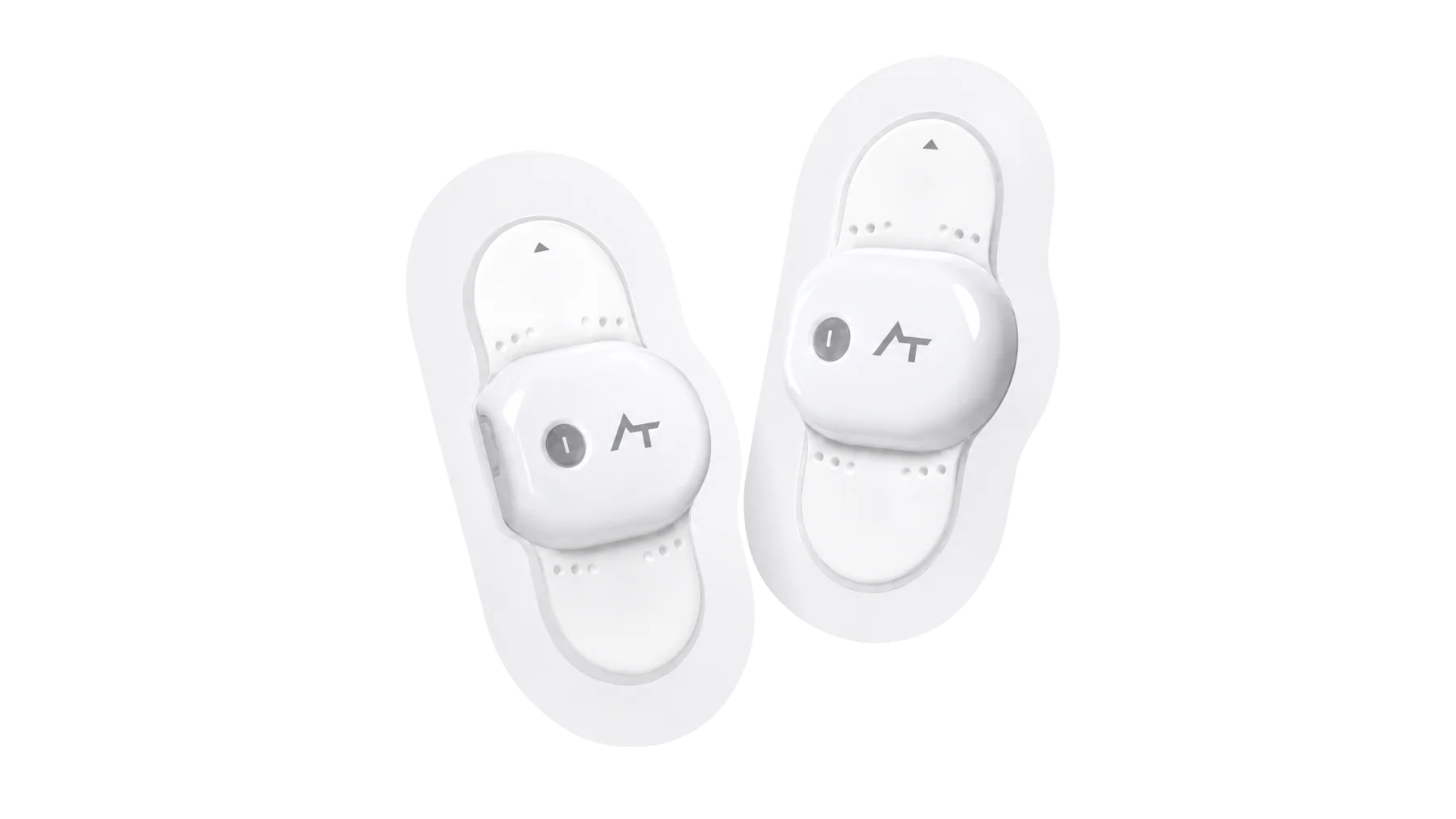
  • Wearable ECG/BPWearable cardiac function testingA micro-sensor continuously analyzes blood pressure and ECG over 24 hours to identify cardiac dysfunction capable of causing a stroke.
  • SNSB / CERADNeuropsychological testingIt distinguishes simple forgetfulness from dementia and objectively evaluates cognitive function including memory.
  • LABBlood and genetic testingWe identify risk factors for cardiovascular and cerebrovascular disease, including dyslipidemia, and look for high-risk dementia genes in advance so that prevention can begin.