
Cognitive testing (MMSE / CDR / SNSB)
Determining cognitive decline against age- and education-matched norms



Source : Ministry of Health and Welfare, 2023 Dementia Epidemiological Survey — reported on KBS 9 O'Clock News, 1 Nov 2025
Mild cognitive impairment is a state in which the ability to live independently is preserved but there is slight difficulty with cognitive functions such as memory. When cognition declines further and independent daily living becomes difficult, that stage is called dementia.
Alzheimer's disease progresses along a continuum from an asymptomatic stage through mild cognitive impairment to dementia, with cognitive decline driven by the accumulation of beta-amyloid and tau protein.
About 10–15% of patients with mild cognitive decline progress to dementia within two years, but some recover normal cognitive function — which is why early detection matters.
In absolute numbers this is 2.67 million people, up 6.2 percentage points from seven years ago, and projected to reach 4.08 million by 2033.
Compared with an annual conversion rate to dementia of 1–2% in older adults generally, the risk over the same year is close to tenfold.
Determining cognitive decline against age- and education-matched norms
Differential diagnosis across dementias — Alzheimer's, vascular, hydrocephalus, and others
Alzheimer's genetic testing (ApoE genotype), amyloid protein in blood or CSF
University-hospital-grade testing on the same day
We do not begin dementia treatment on the basis of forgetfulness or a low cognitive test score alone. Depression, sleep disorders, thyroid dysfunction, vitamin deficiency, medication side effects, and cerebrovascular disease can all cause memory decline, so the cause must be identified first. Neurological examination, neuropsychological testing, blood work, and brain MRI establish the degree of cognitive decline and whether another brain disorder is present.
※ This is general medical information provided for understanding only. Actual diagnosis and treatment are determined by a specialist after examination, based on the individual patient's condition.
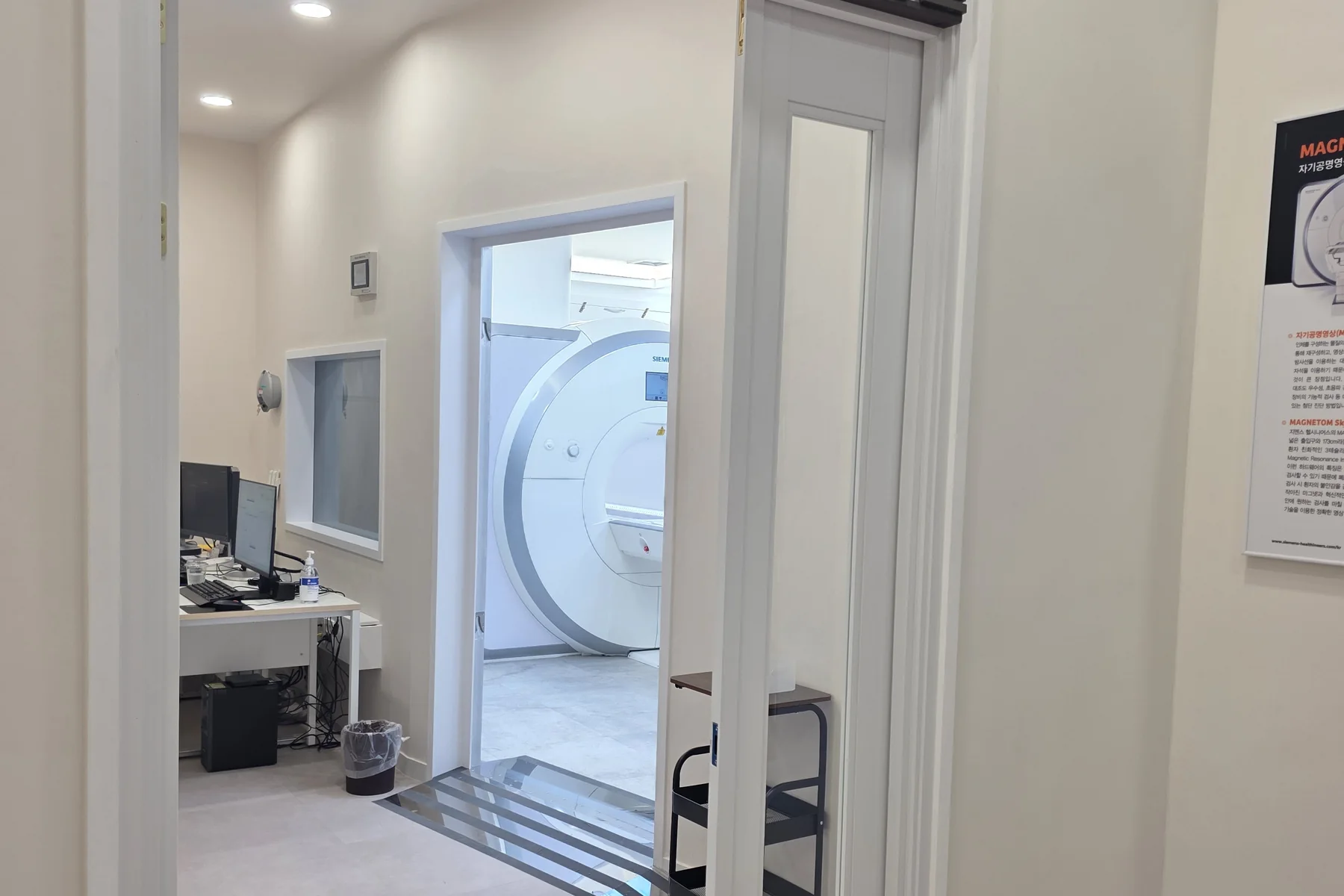 SIEMENS3T AI MRIWe add AI imaging (Deep Resolve) to a proven Siemens 3T MRI to examine neurological conditions faster and more clearly.
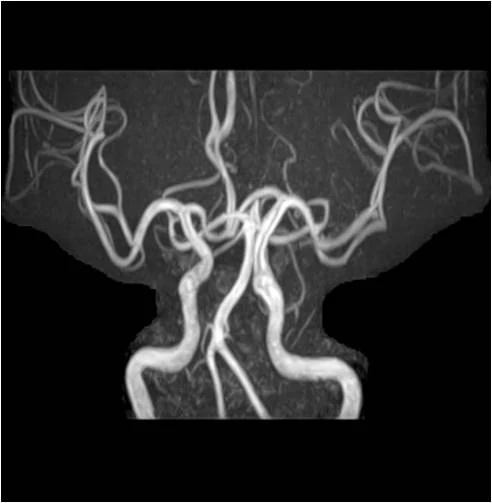 MRACerebrovascular and carotid MRAIt accurately evaluates the degree of atherosclerosis, stenosis, structural abnormality, and the presence of aneurysm in the vessels of the brain and neck.
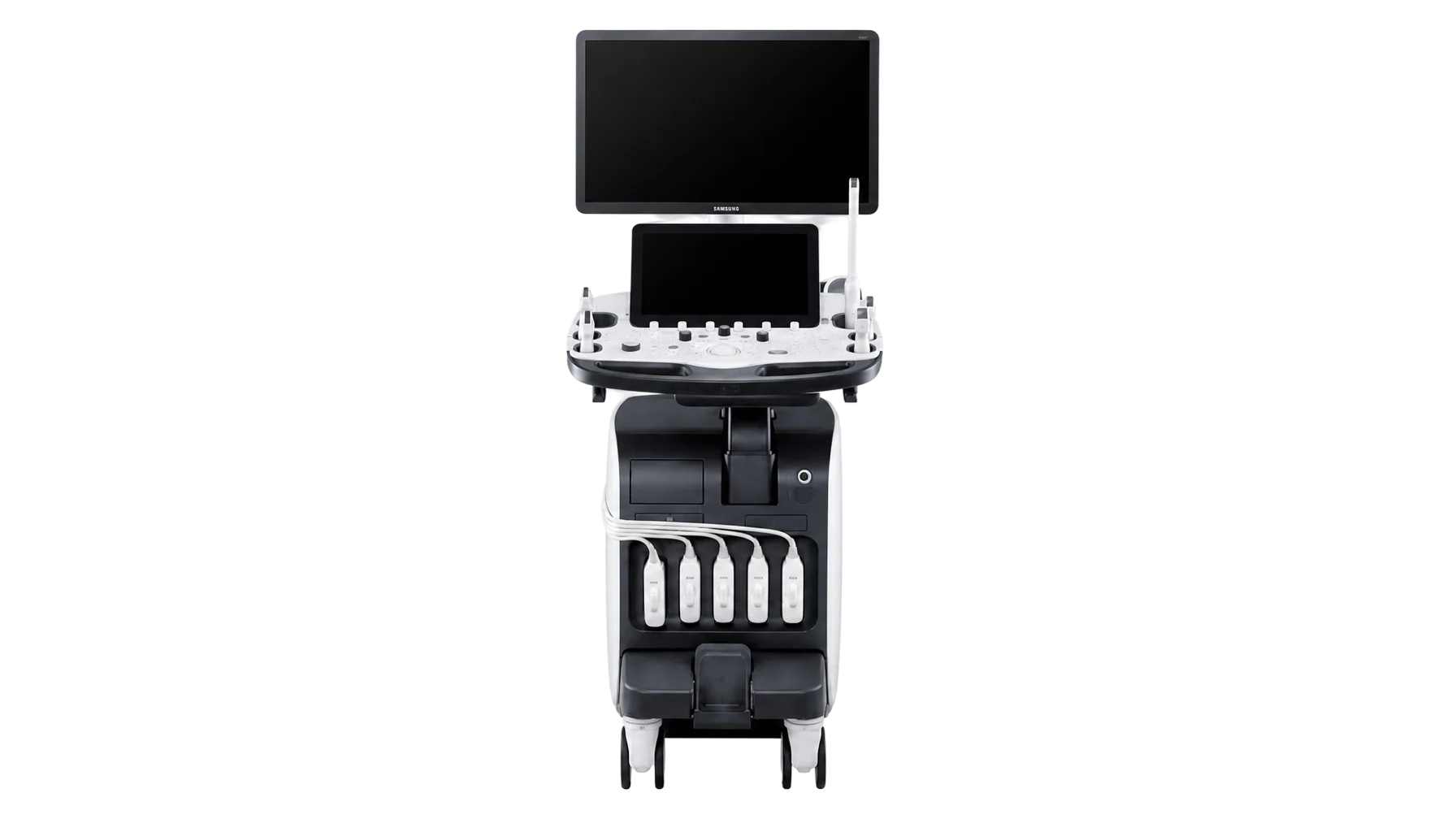 Carotid USCarotid UltrasoundCarotid wall thickness and plaque are examined to assess stroke risk.
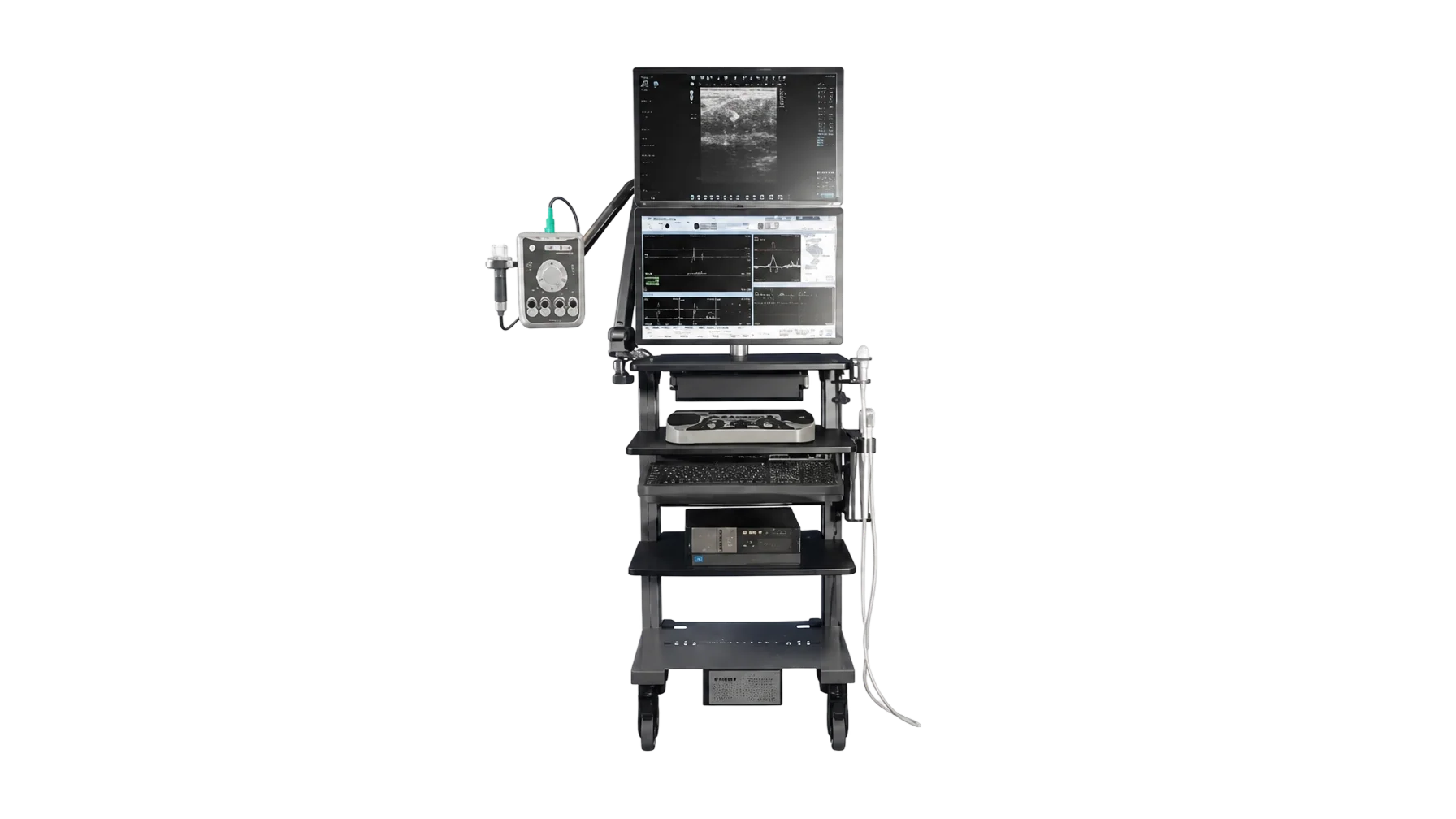 NCS / EMGNerve conduction studiesNerves in the arms, legs, and face are safely stimulated electrically and the responses recorded, establishing whether peripheral nerve damage is present and how severe it is.
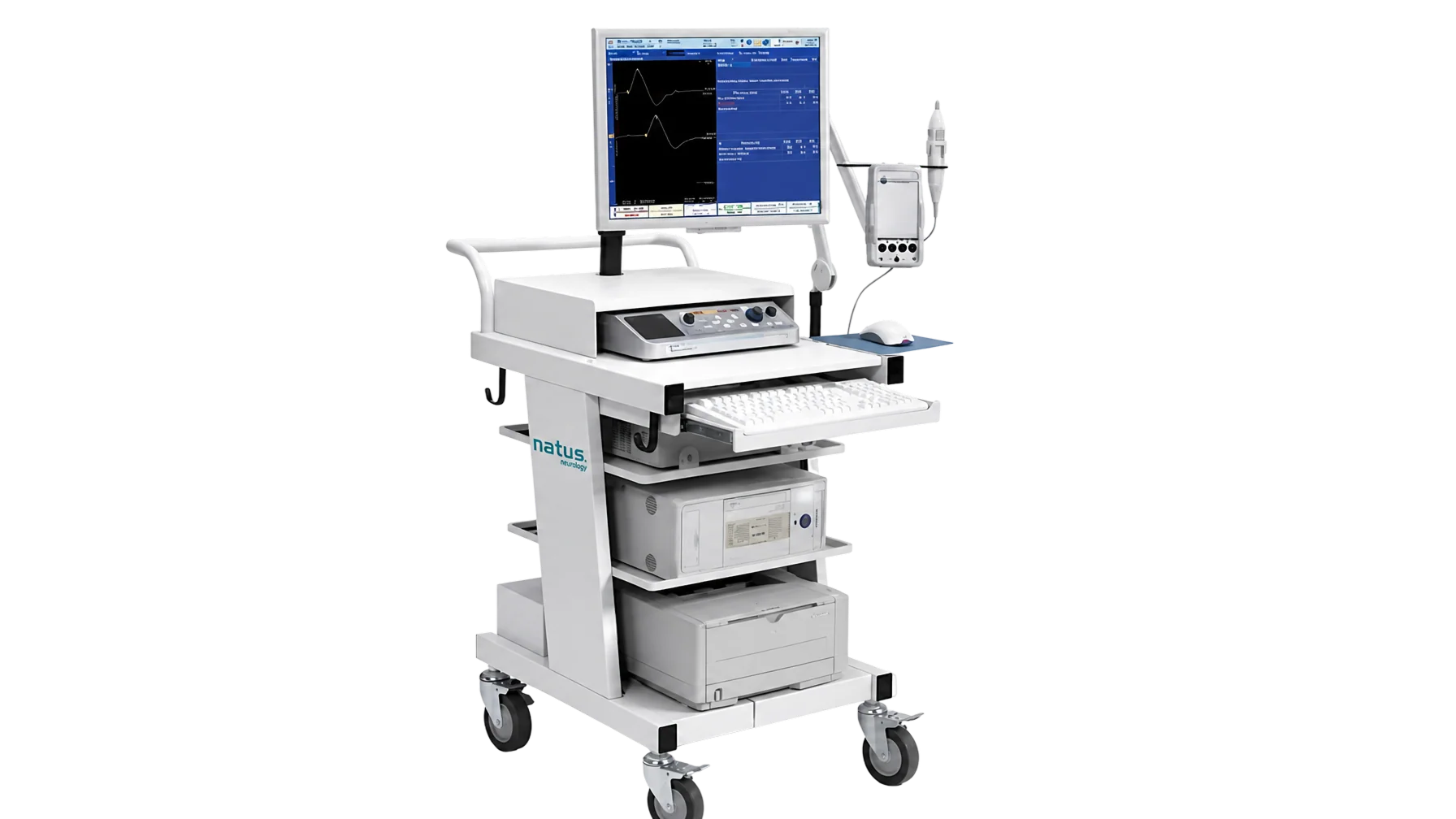 EPEvoked potential testBy safely stimulating the visual and auditory pathways electrically, damage to the cranial nerves can be identified.
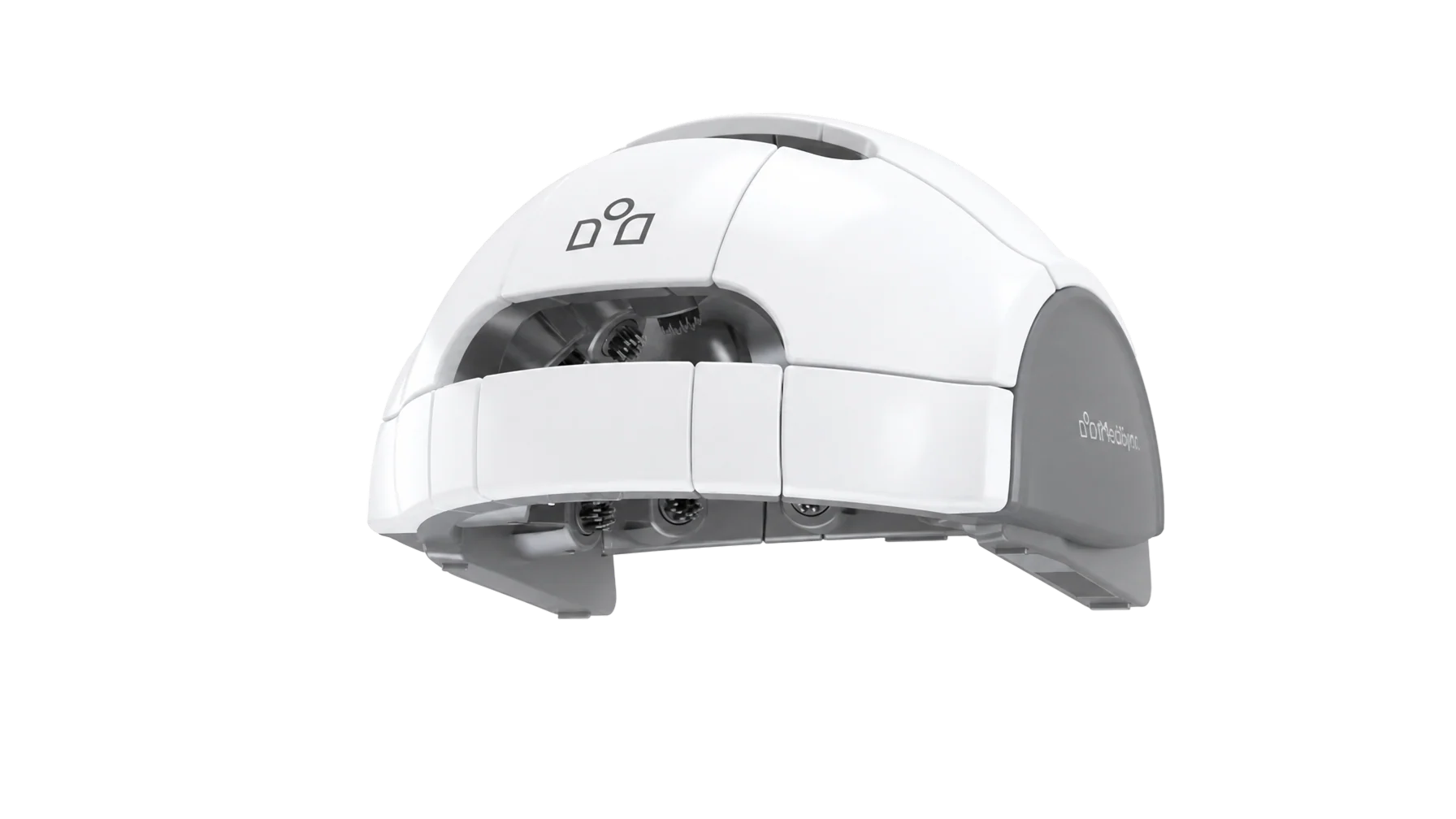 EEGAI digital EEGBeyond the conventional identification of epileptiform waveforms, quantitative EEG with the latest AI software aids in assessing brain function in headache, anxiety, and depression.
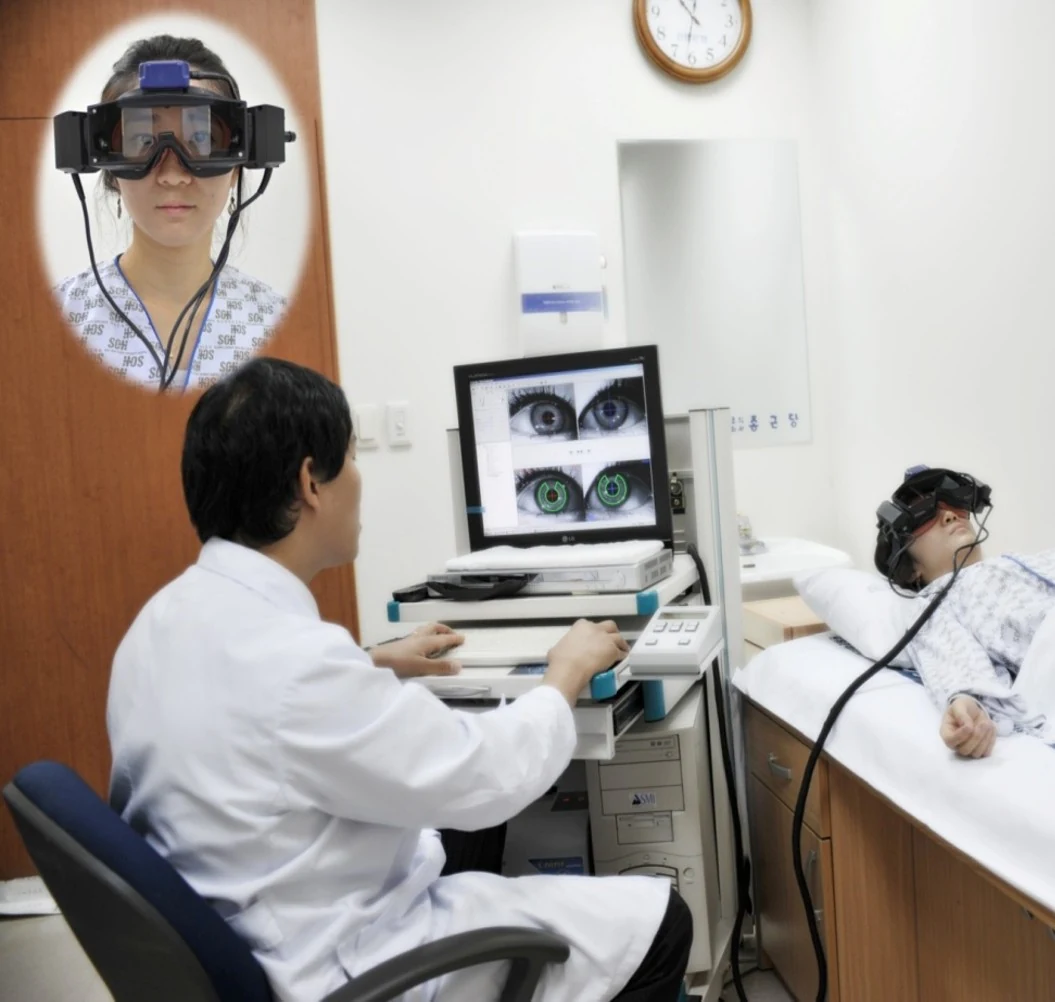 VNGVideo nystagmographyBy recording and analyzing involuntary eye movement on video, this test is useful for distinguishing dizziness disorders such as BPPV and Meniere's disease.
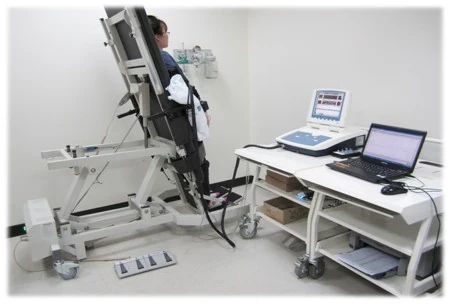 HRV / SSRAutonomic Function TestEquipment that objectively assesses the balance between the body's sympathetic and parasympathetic nerves.
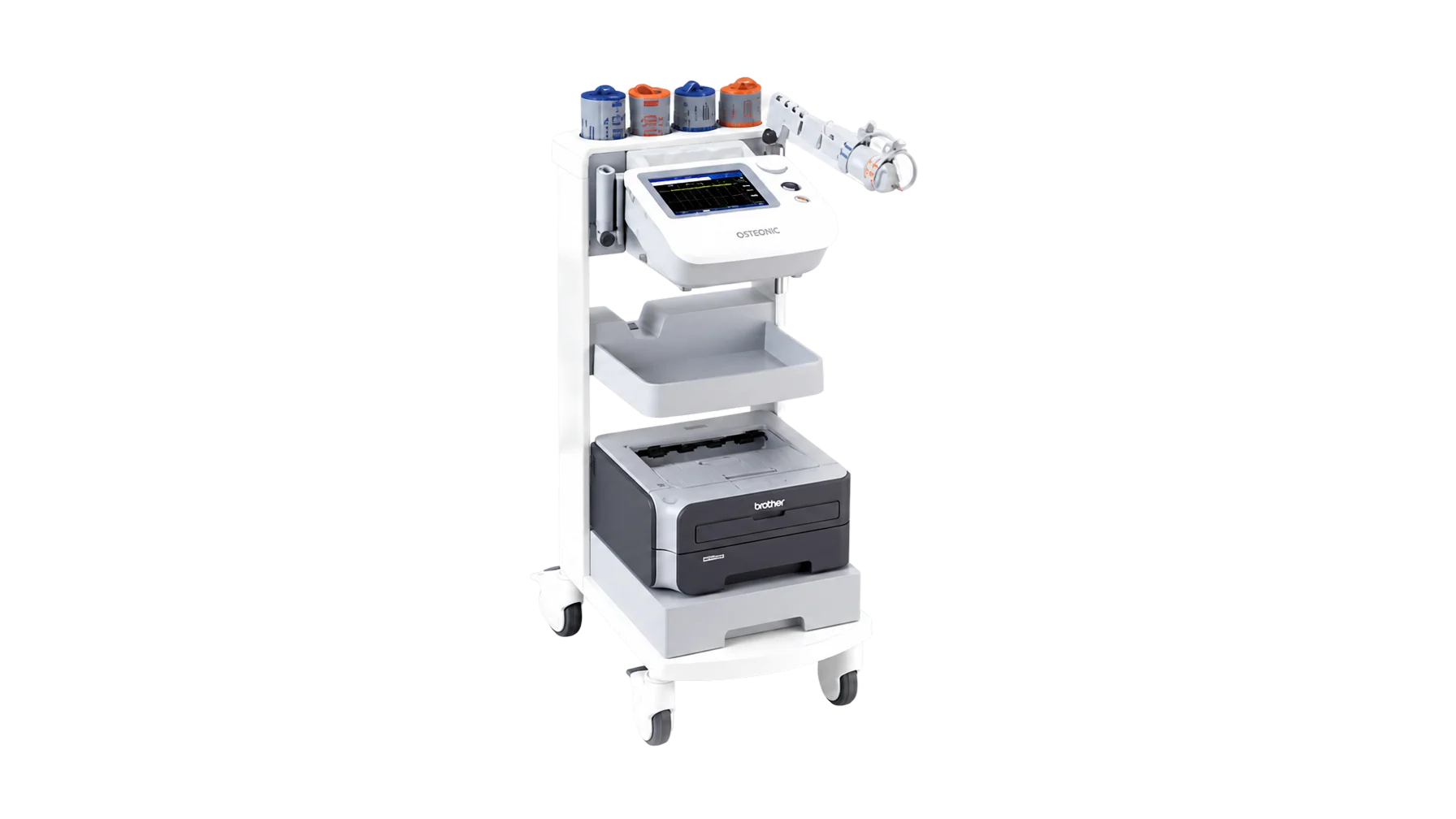 PWV / ABIArterial elasticity testingBy measuring vessel elasticity and the degree of atherosclerosis, it readily assesses the risk of circulatory disturbance and cardiovascular or cerebrovascular disease.
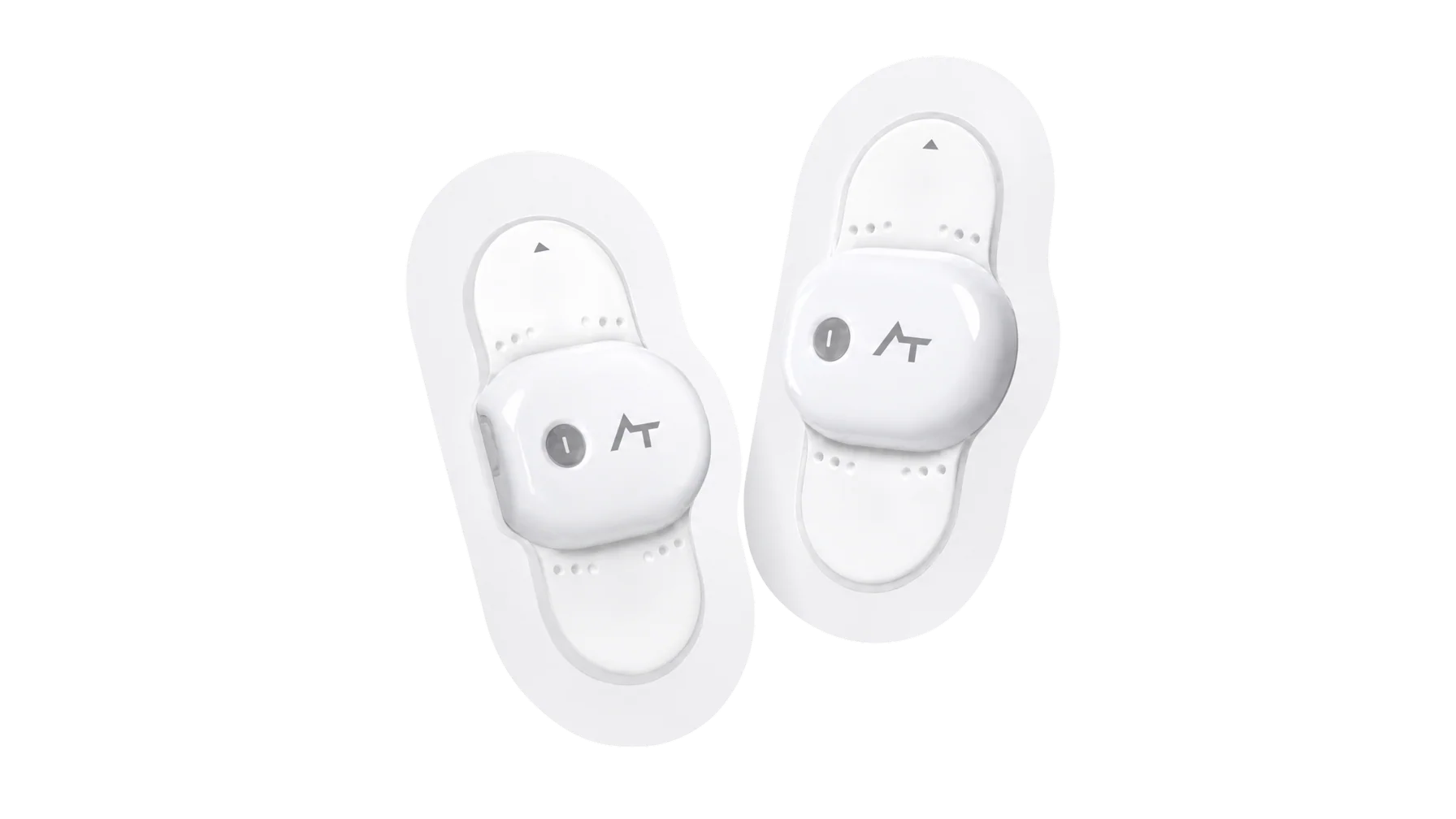 Wearable ECG/BPWearable cardiac function testingA micro-sensor continuously analyzes blood pressure and ECG over 24 hours to identify cardiac dysfunction capable of causing a stroke.
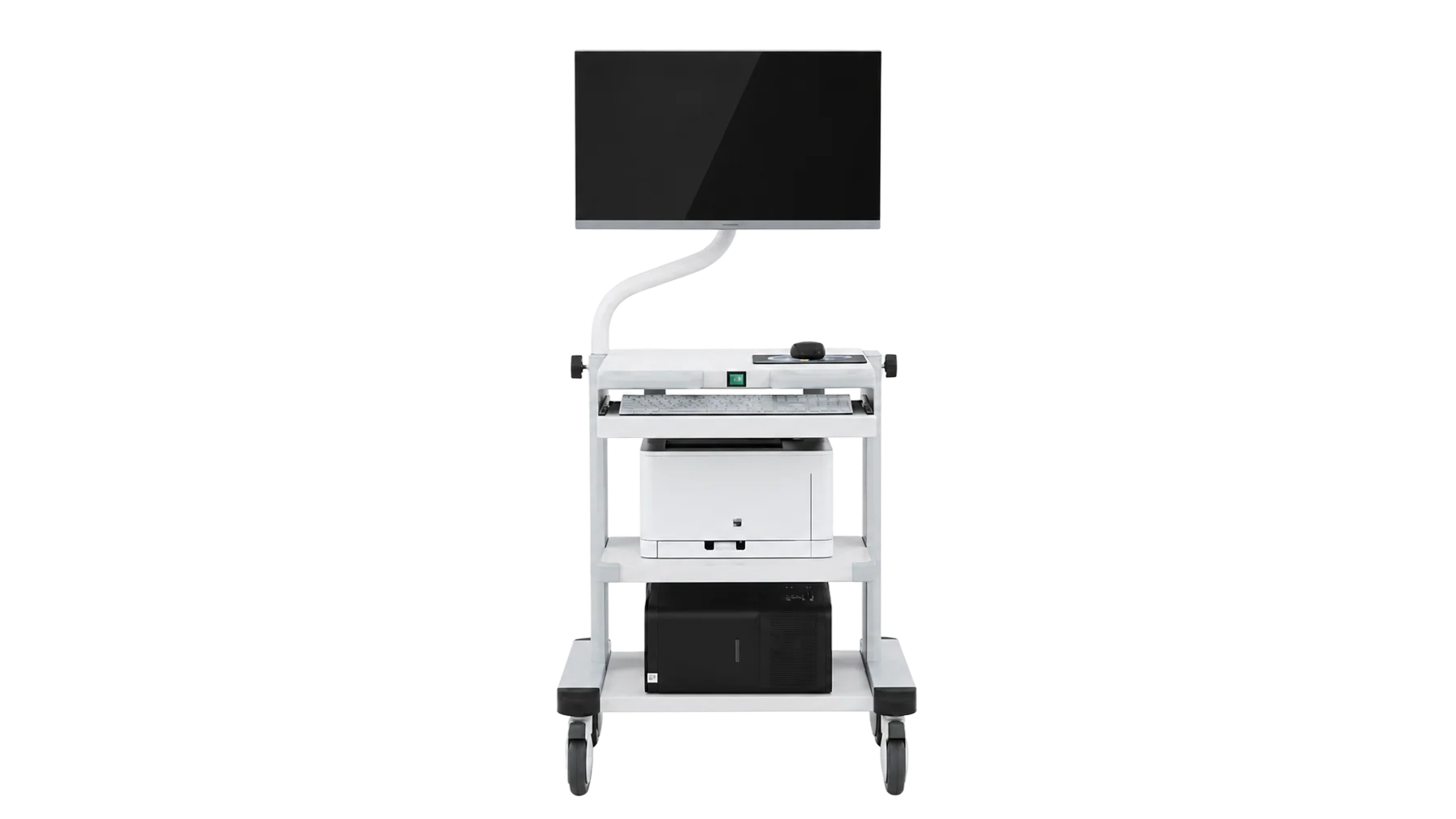 SNSB / CERADNeuropsychological testingIt distinguishes simple forgetfulness from dementia and objectively evaluates cognitive function including memory.
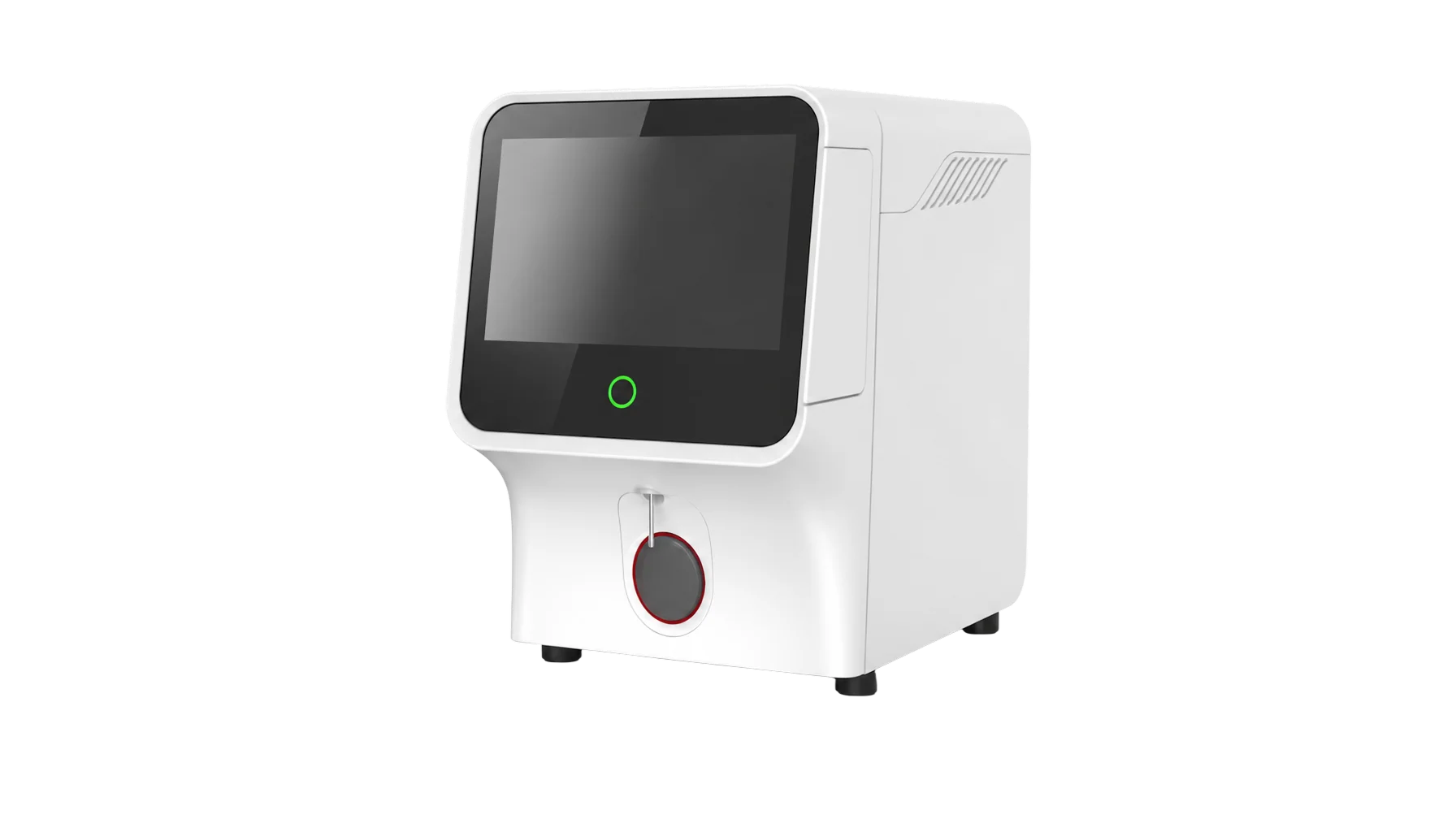 LABBlood and genetic testingWe identify risk factors for cardiovascular and cerebrovascular disease, including dyslipidemia, and look for high-risk dementia genes in advance so that prevention can begin.