한국어English简体中文

Epilepsy screening

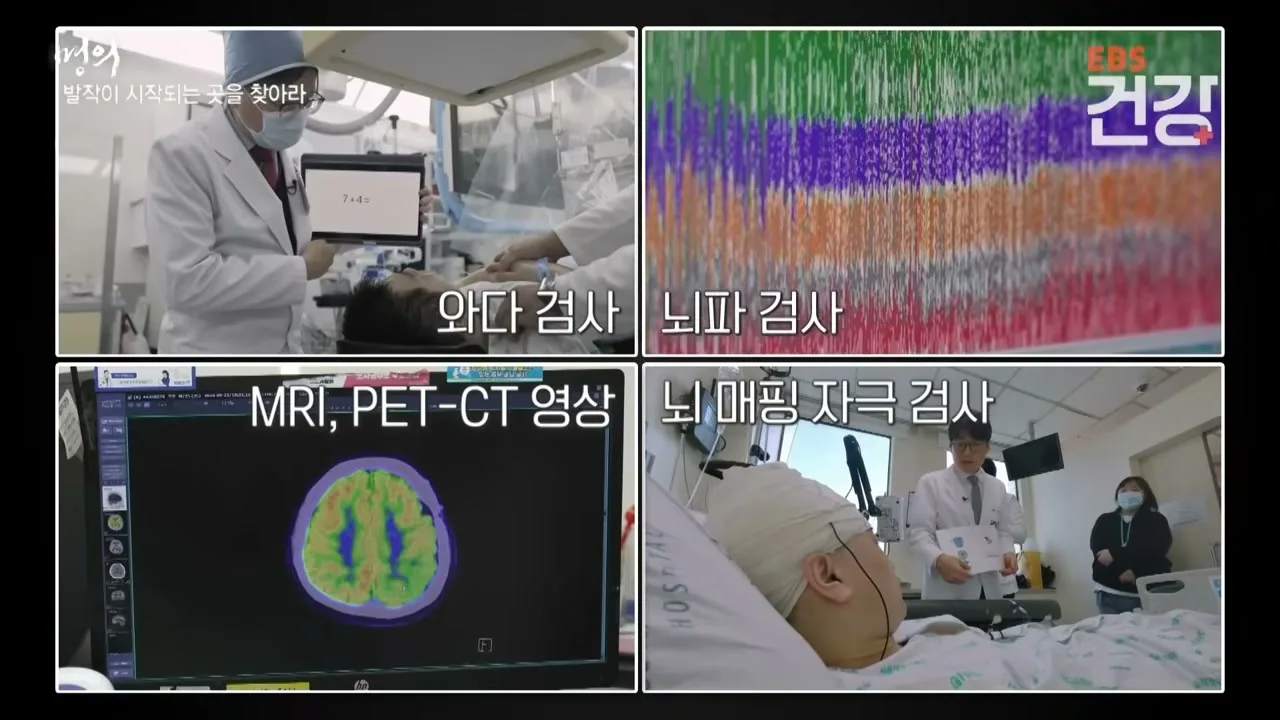
Epilepsy screening — the point is to find where the seizure begins

Source : EBS Health "Myeongui"

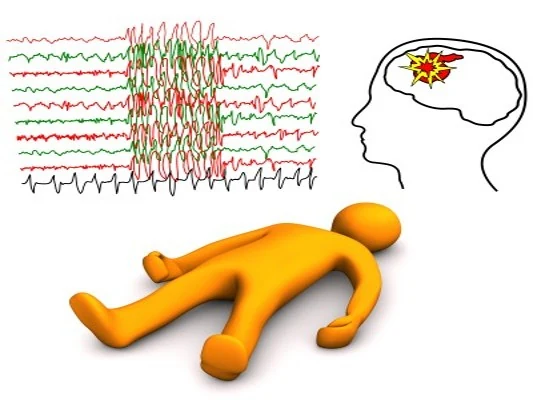
Epilepsy is a condition in which excessive electrical activity in one part of the brain manifests as a seizure.

Seizures are not only the kind where consciousness is lost and the person collapses — briefly blanking out and becoming unresponsive, or one side twitching on its own, are seizures too. The person does not remember them, so they are easily overlooked.

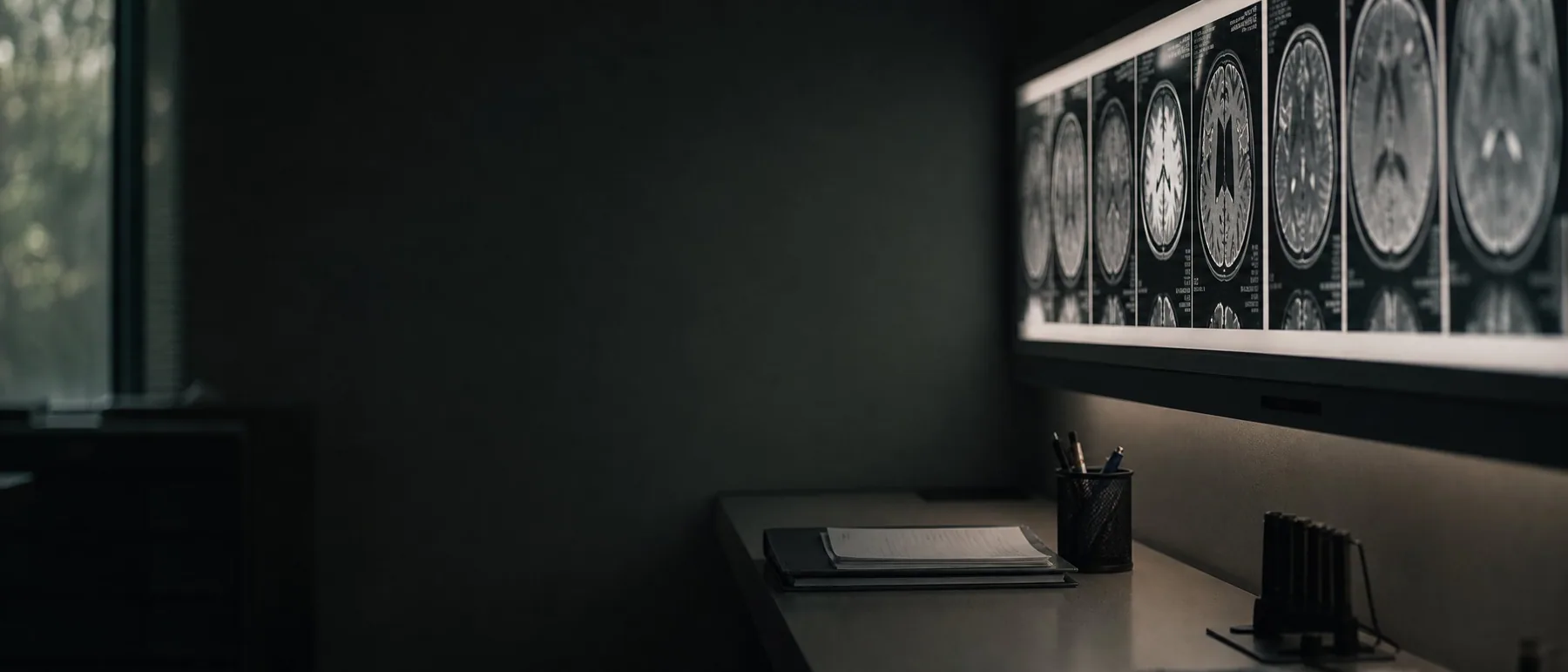
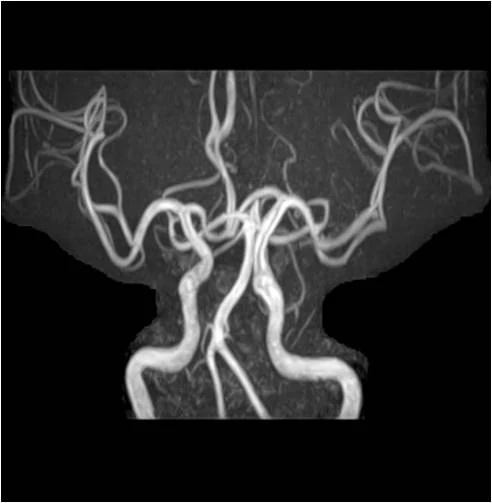
EEG identifies abnormal electrical activity while brain MRI looks for a structural cause capable of provoking seizures, together narrowing down the seizure type and site of onset.

As seizures recur, ordinary moments — driving, swimming, stairs — become hazardous, and using medication without knowing the seizure type can actually increase their frequency. If you have had even one seizure, start by finding out why.

About electroencephalography

Electroencephalography (EEG)

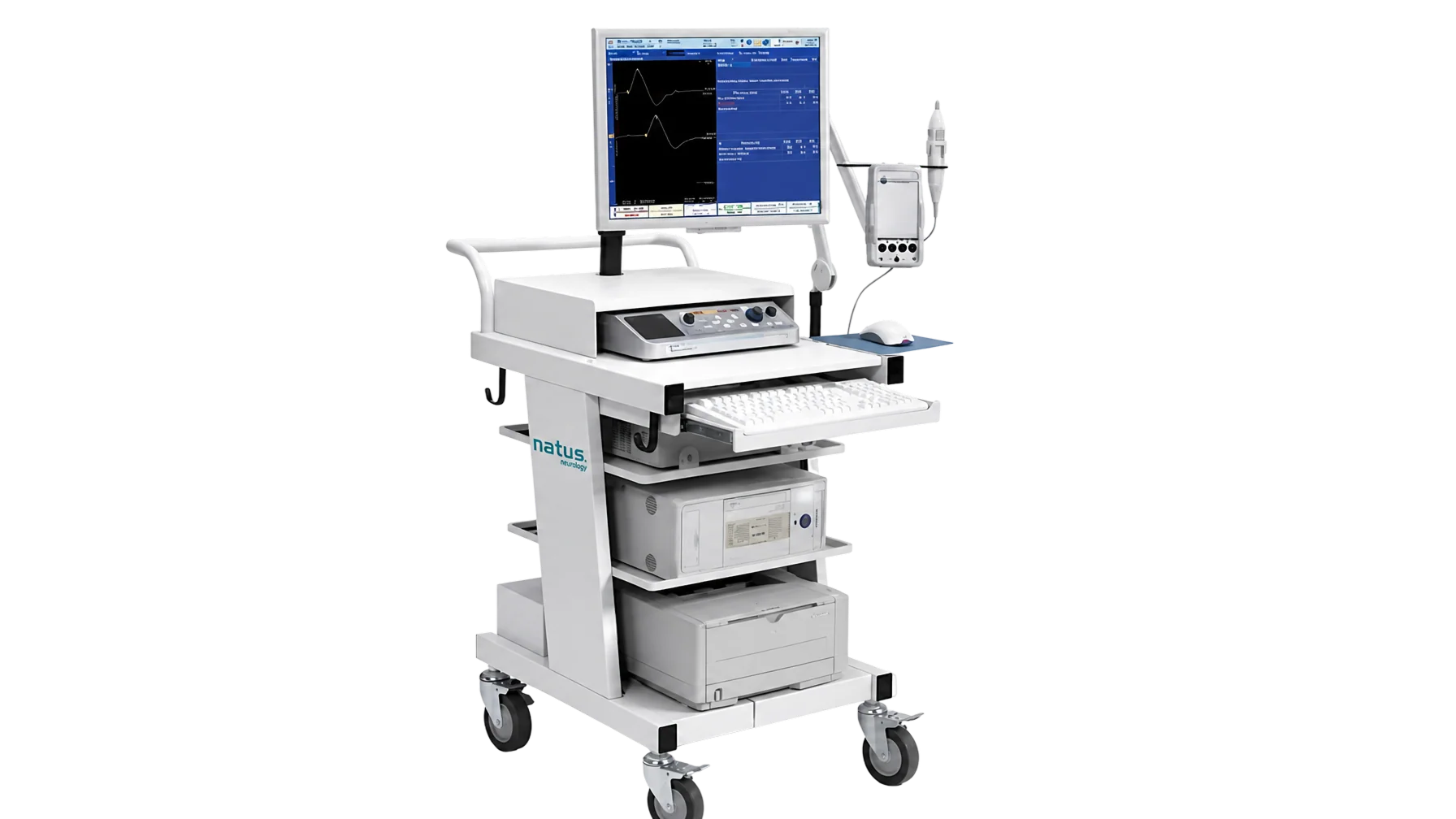
An EEG records the brain's minute electrical activity by attaching electrodes to the scalp and amplifying the signal, allowing changes in brain function over time and across states to be observed. It can be performed awake or asleep, and because it involves only attaching electrodes, it is painless and straightforward.
EEG is used to diagnose and differentiate epilepsy, and it may also be performed in diagnosing a range of brain disorders including stroke, brain tumor, encephalitis, and declining brain function.
How is the test performed?

1. Lie comfortably while electrodes are attached to the scalp.
2. The basic study performed while awake is done lying flat and at rest; if you become sleepy during it, letting yourself sleep actually helps the examination.
3. During the EEG you follow the examiner's instructions, such as "close your eyes" or "take a breath in."

The duration differs between the basic study and the sleep study, and Usually 30 minutes to 1 hour for the basic study is the time required.

We recommend this for

  • Those who have lost consciousness and collapsed
  • Those who have had a seizure with stiffening or shaking
  • Those with recurring episodes of briefly blanking out and becoming unresponsive
  • Those with involuntary twitching in a particular area
  • Those who have had episodes they cannot remember afterwards
  • Those on epilepsy medication who need regular assessment

※ This is general medical information provided for understanding only. The actual screening items and interpretation of results are determined after consultation with a specialist.

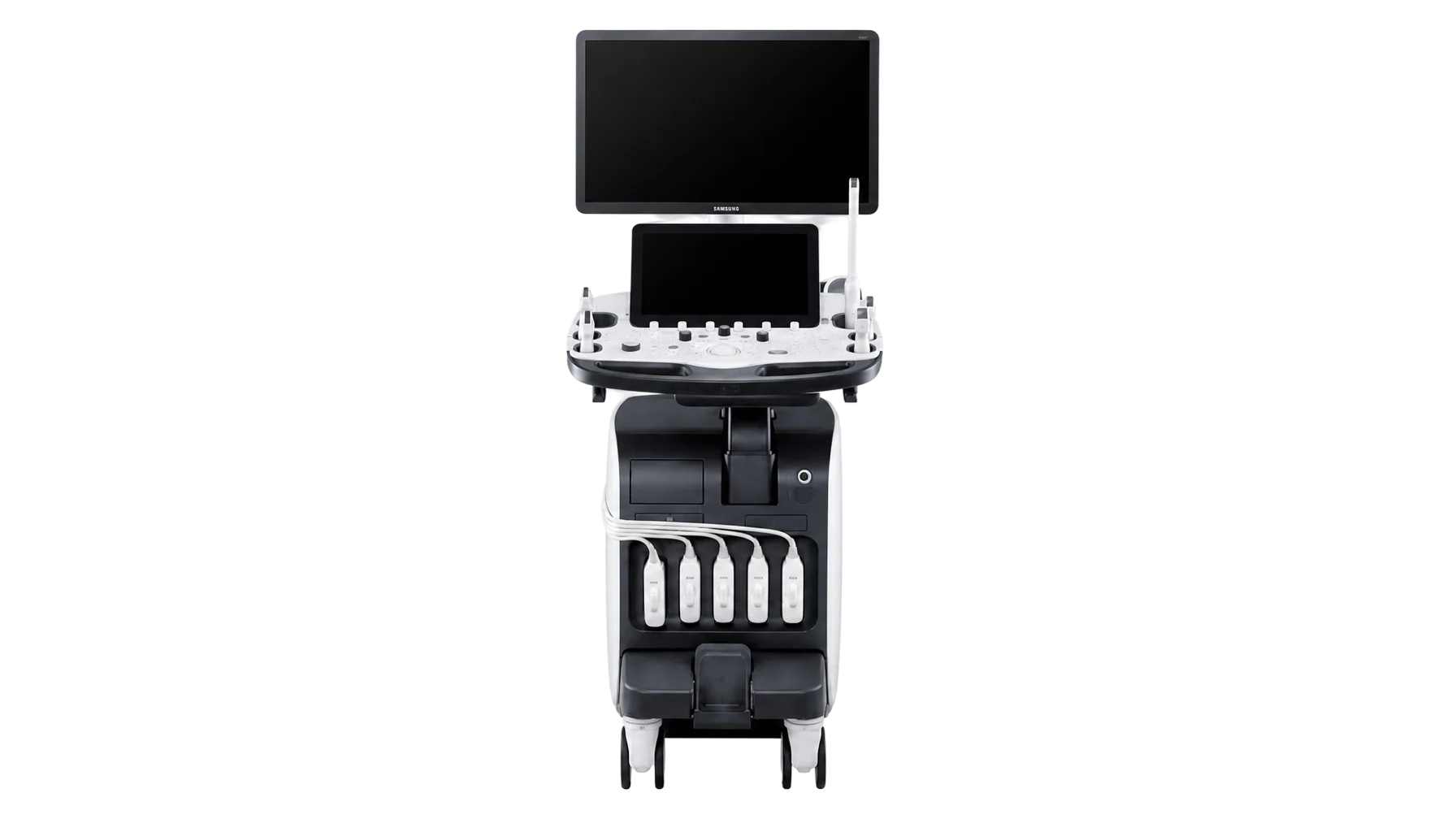
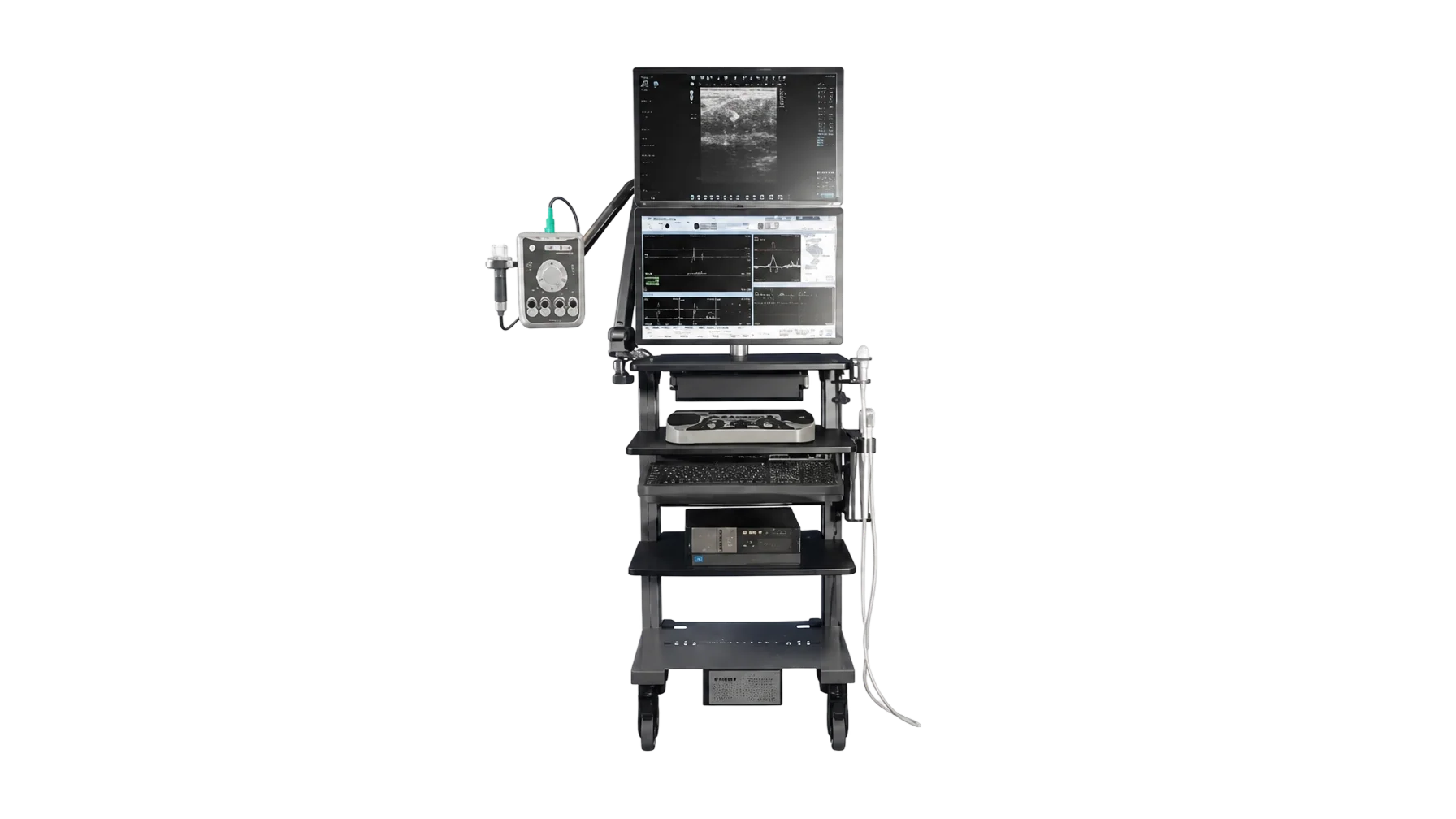
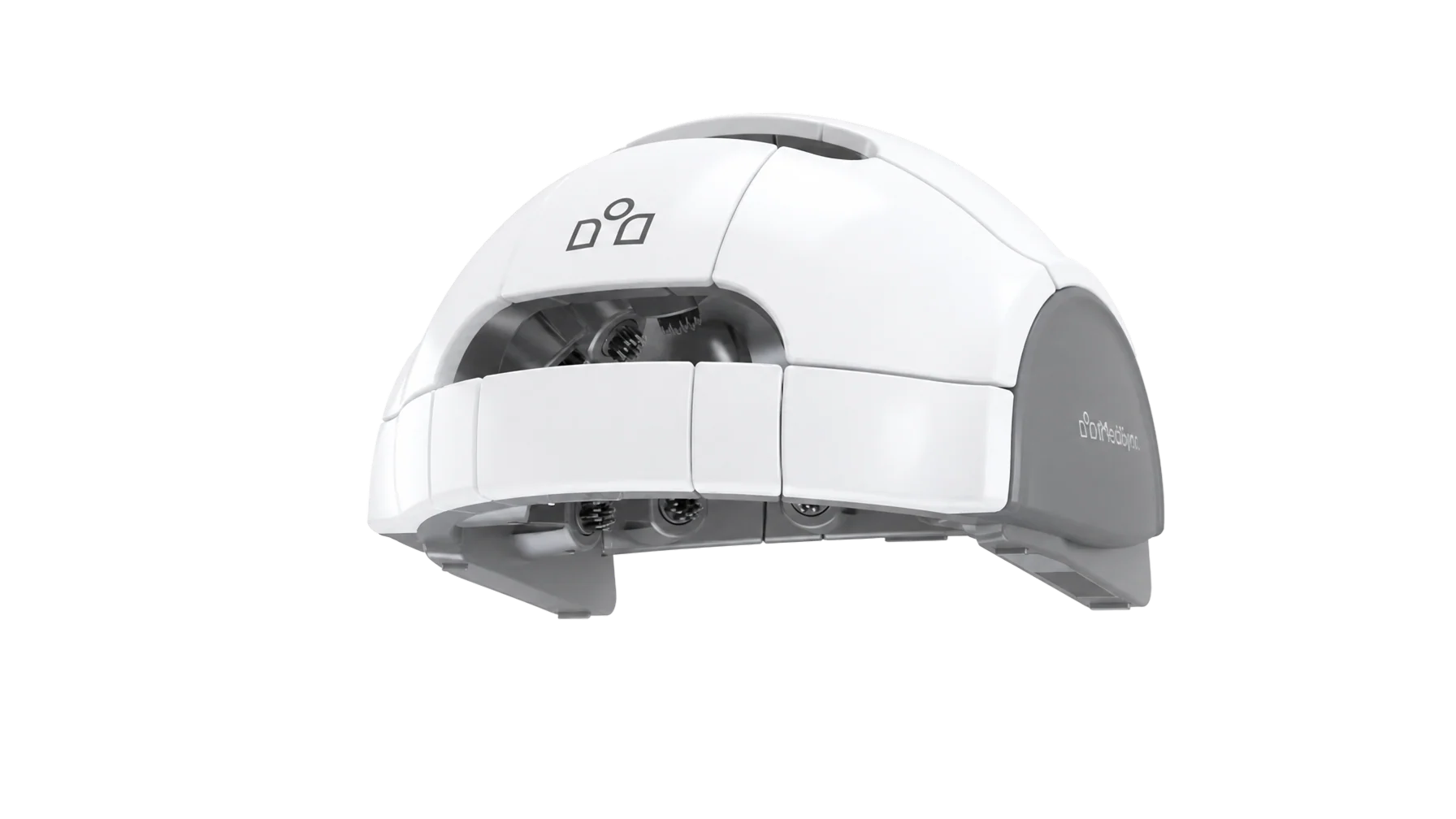
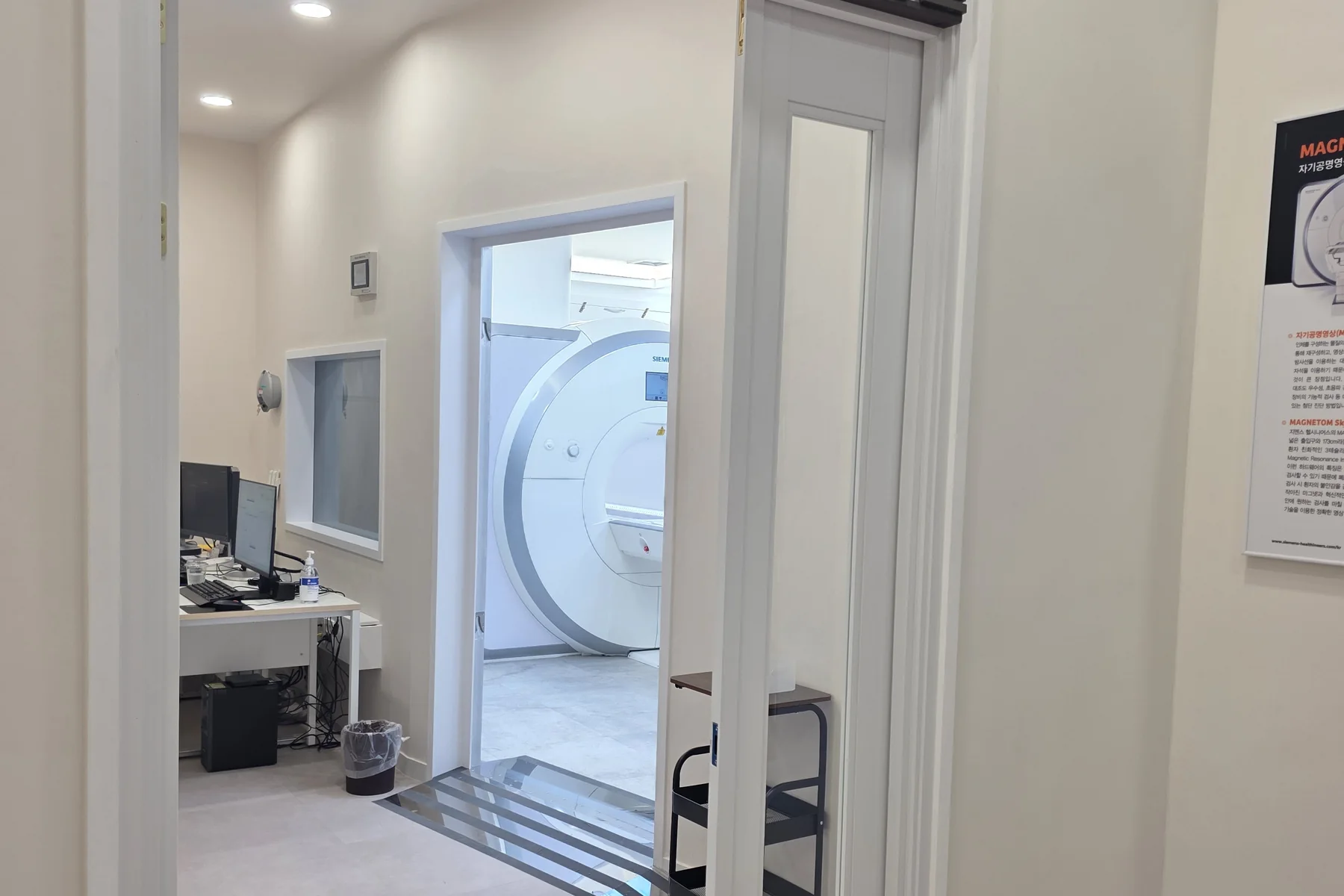
Advanced Equipment