Dementia (Alzheimer's, vascular)
Dementia — putting it down to aging costs you the window
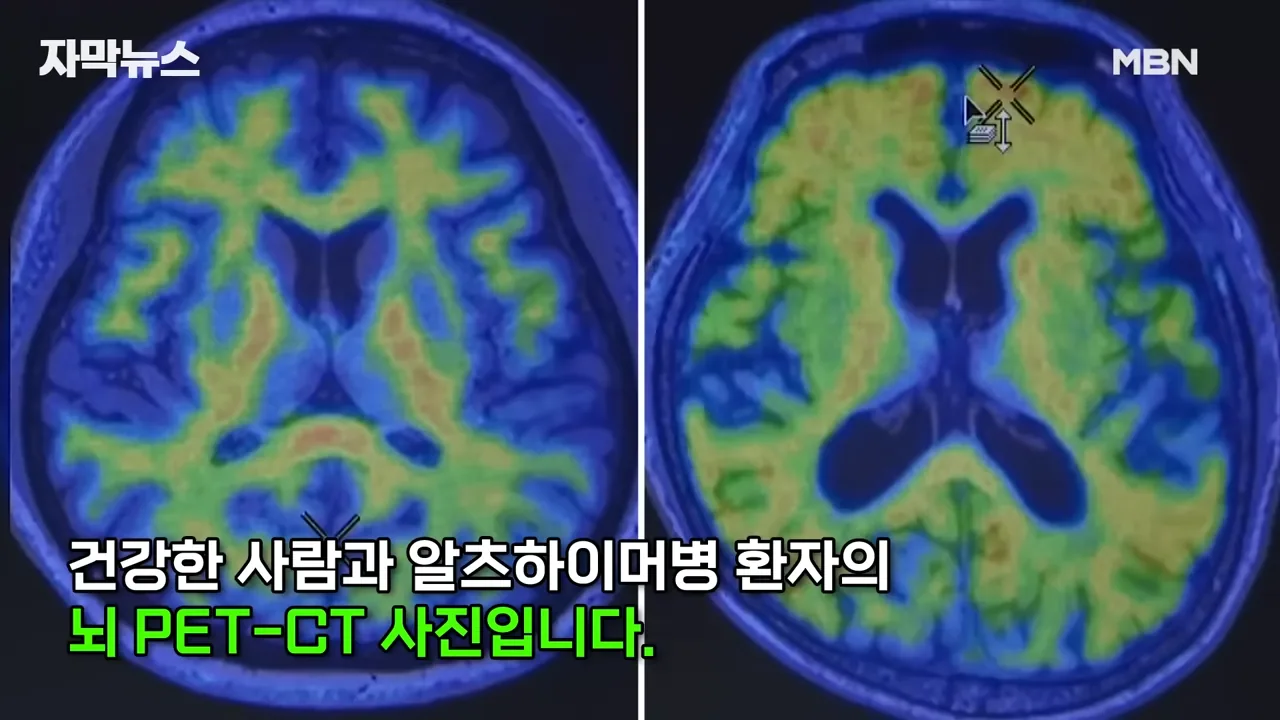
Source : MBN News · Survey data: Korea Medical & Bio Reporters Association, Korean Dementia Association
Of all dementia, 70% is Alzheimer's disease, the toxic protein Amyloidattacks neurons as it progresses.
Next is vascular dementia arising from cerebrovascular disease; Lewy body disease, Parkinson's disease, alcohol-related and metabolic causes such as thyroid disease, and hydrocephalus are also responsible.
Yet the point at which people come in as the condition progresses 45.7% come only once daily life is already affected, while just 28.6% come at a very early stage. The reasons for delay are believing it to be natural aging (45.2%) and fear of receiving a diagnosis (26.3%).
The new Alzheimer's agents are Indicated for mild cognitive impairment through early dementia, so the timing of diagnosis is what determines the range of options. Because both treatment and outcome depend on the cause, Do not delay — start by finding the cause.
Dementia — how is it diagnosed and treated?

Dementia is a state in which cognitive decline has reached the point of impairing independent daily living; early on it begins with memory impairment and personality change. Alzheimer's disease and vascular dementia are the most common forms, and the two frequently coexist. Other causes include Lewy body disease, Parkinson's disease, alcohol-related dementia, metabolic causes such as thyroid disease, and hydrocephalus. Treatment and outcome vary enormously with the underlying cause of dementia, so accurately diagnosing which cause underlies it is the starting point for treatment, prevention, and management.
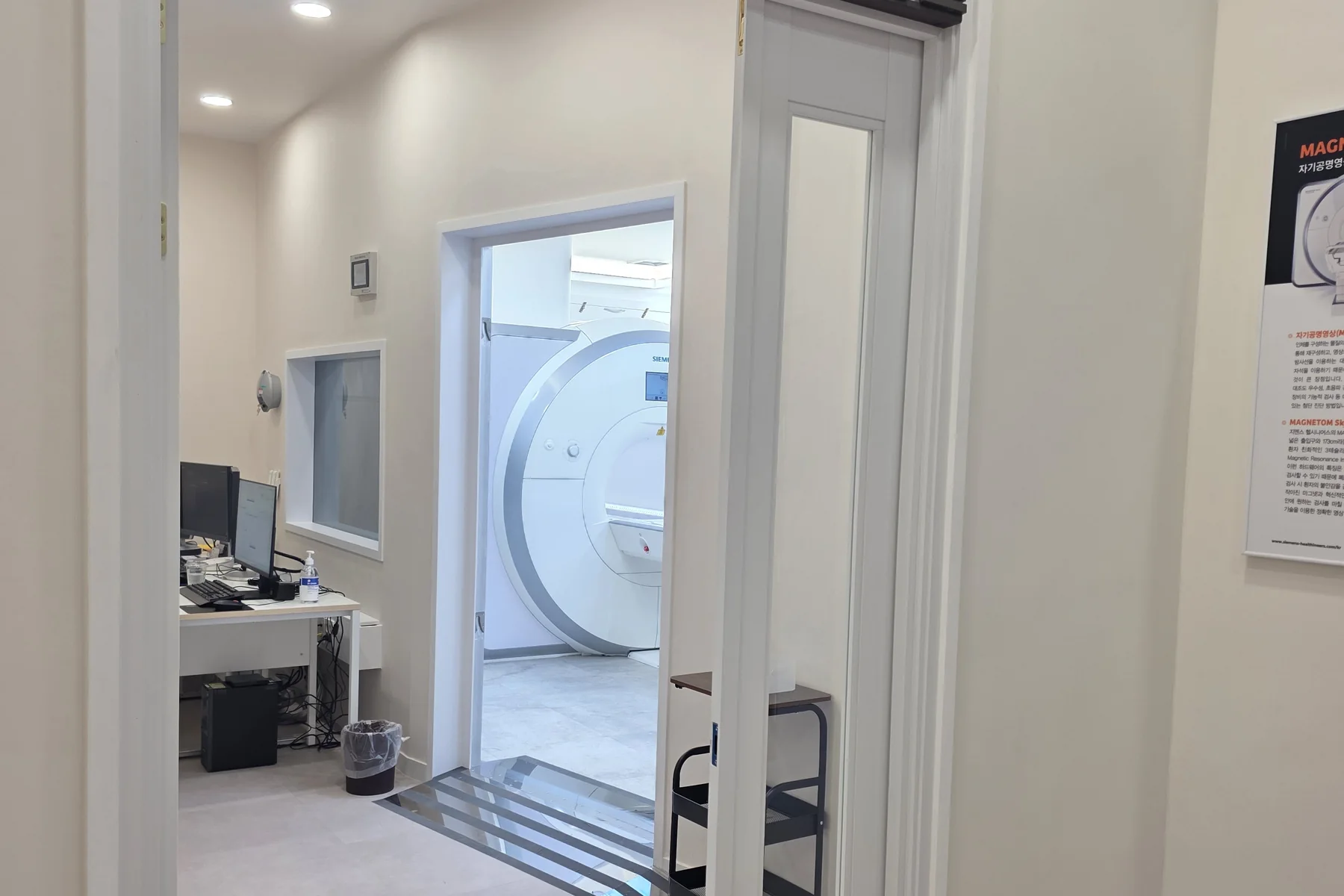
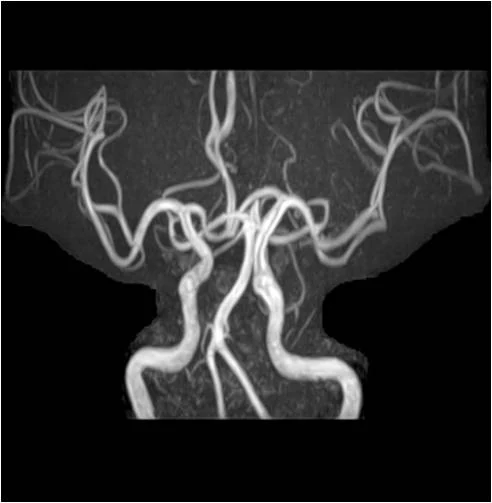
In Korea in particular, where cerebrovascular disease is common, preventing vascular dementia matters all the more, and Brain MRI and MRA establish whether cerebrovascular stenosis is present and whether there is a risk of vascular dementia, and Controlling hypertension and diabetes, stopping smoking and moderating alcohol, and checking and correcting dyslipidemia, inflammation, and homocysteine on blood testing, stroke and vascular dementia must be prevented together.
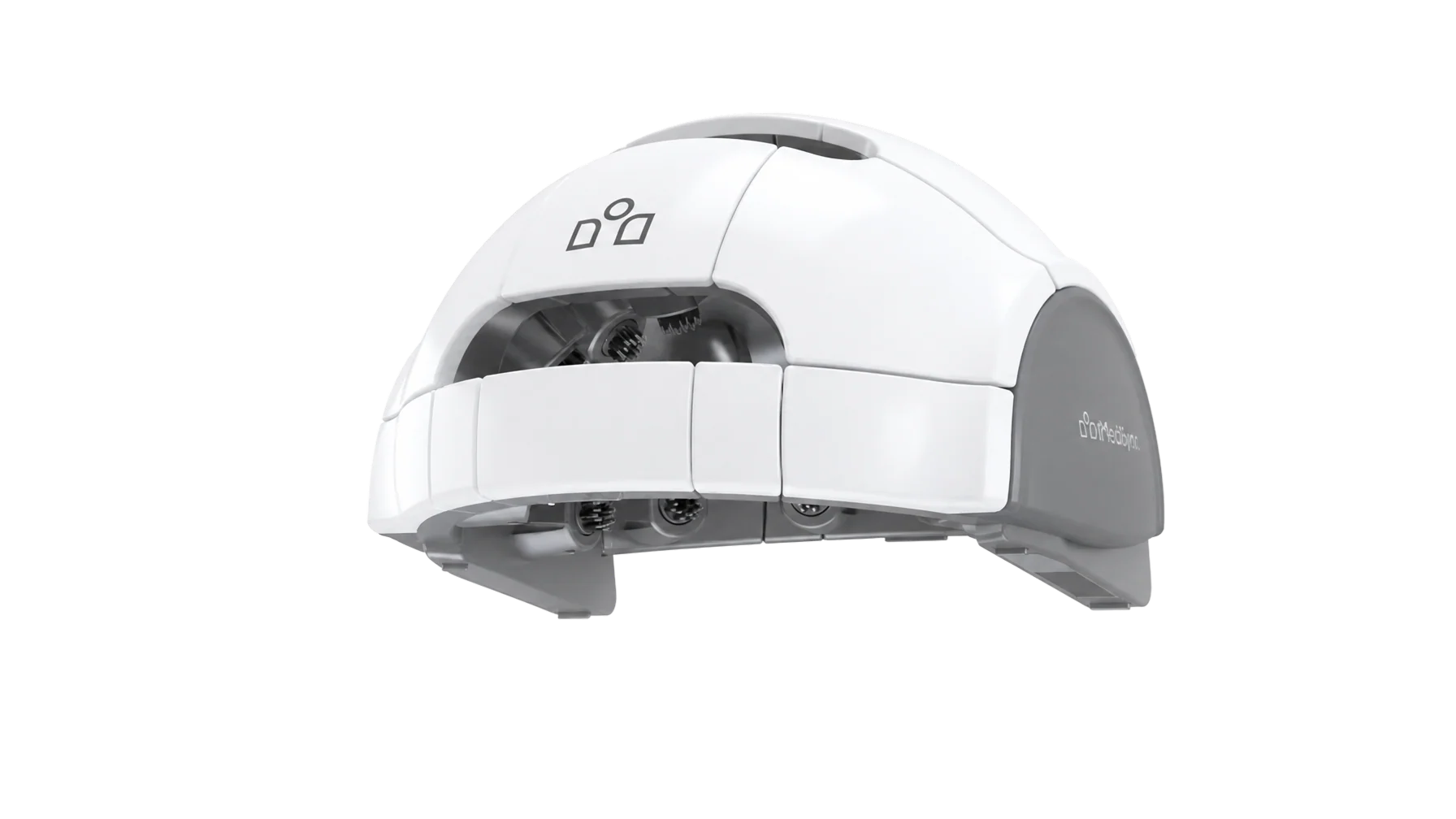
In-depth neuropsychological testing · brain MRI and MRA · blood tests identify the cause the same day wherever possible, and Medication (acetylcholinesterase inhibitors, NMDA receptor antagonists) · anti-amyloid therapy · cognitive rehabilitation · TMS — we provide whichever is appropriate.
※ This is general medical information provided for understanding only. Actual diagnosis and treatment are determined by a specialist after examination, based on the individual patient's condition.