Botulinum toxin therapy (facial twitching, chronic migraine)
Botulinum Toxin Therapy
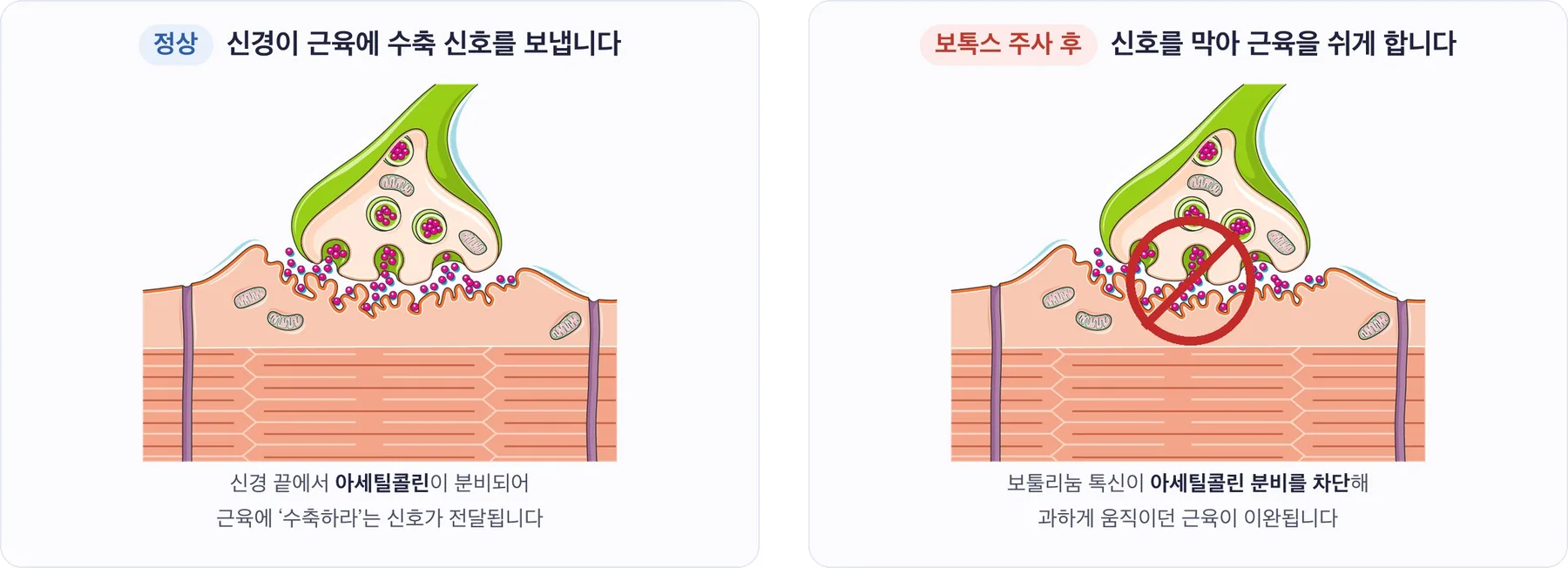
Source : Illustration: Servier Medical Art (Smart-Servier) · CC BY-SA 3.0
Botulinum toxin injection — what kind of treatment is it?
This injection reduces excessive muscle contraction by inhibiting acetylcholine, a neurotransmitter involved in muscle contraction. It first became known as a wrinkle treatment, but Muscle spasticity medication로 Hemifacial spasm · eyelid twitching (blepharospasm) · chronic migraine is administered as treatment.
Because the cause lies in the nerve, oral medication does not readily improve it, and It produces clear symptomatic improvement without surgical treatment.
Hemifacial spasm— what is it?
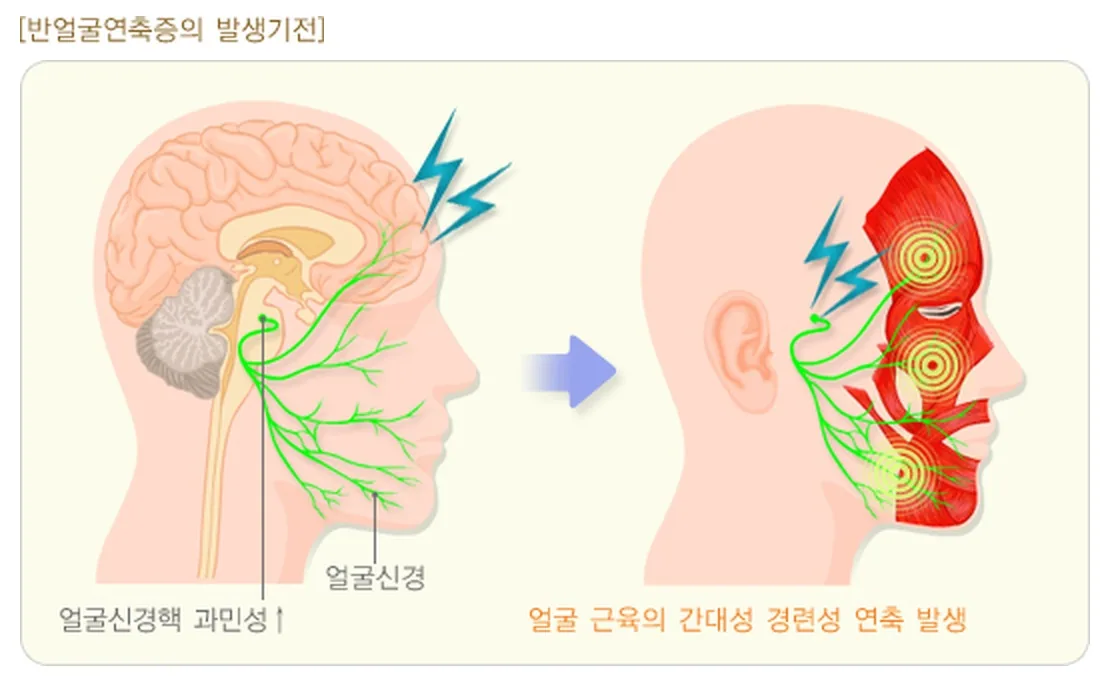
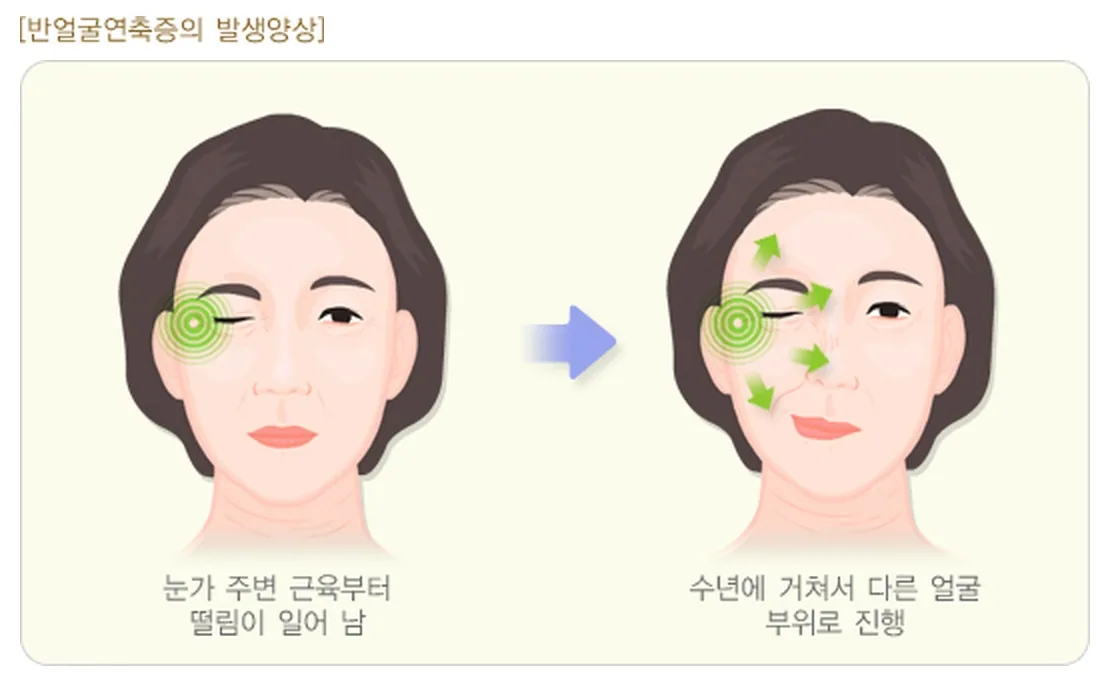
Irritation of the facial nerve induces hyperexcitability in the facial nucleus, and this abnormal excitability Clonic spasmodic twitching of the muscles on one side of the face. A tumor, arteriovenous malformation, or a skull condition such as Paget's disease can compress the facial nerve and produce symptoms; neurological disorders such as stroke or multiple sclerosis can also be responsible.
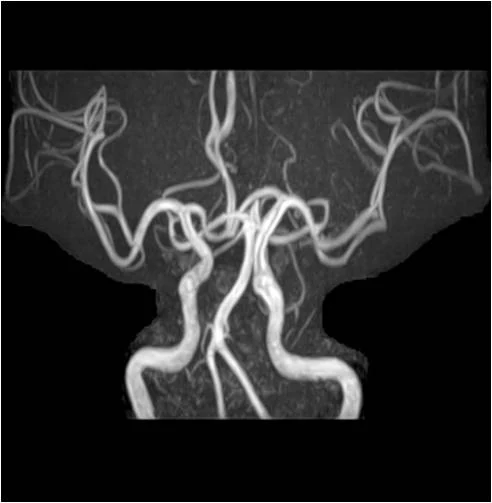
In most cases the cause cannot be identified, but Compressed by a vessel lying close to the facial nerve, and can also occur, and in such cases it is commonly caused by a vessel near where the cerebellum meets the brainstem.
Hemifacial spasm occurs more often in women than men, and The forties and fifties. Onset before the forties is uncommon, so when it occurs, other neurological conditions should be ruled out.Source: Korea Disease Control and Prevention Agency, National Health Information Portal
What does the treatment process involve?
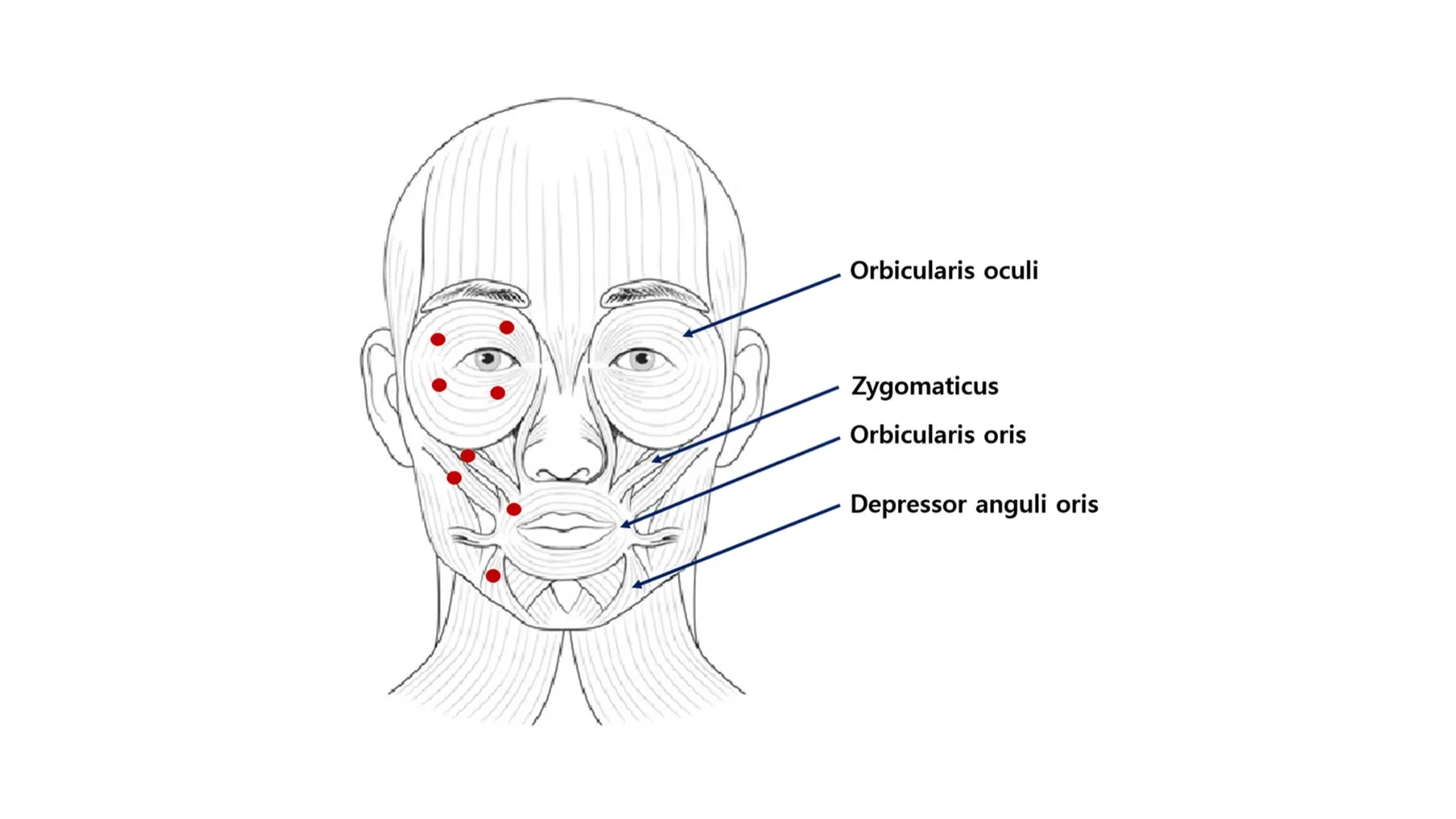
Source : Park et al., Life (Basel) 2023 · CC BY 4.0
Only the muscle where the twitching occurs Because small amounts are placed selectively, the rest of your expression is unaffected. It takes only a few minutes, and you can return to normal activity immediately.
The effect of the injection is 3–4 months and as the effect gradually wears off, it is repeated at intervals. The eyelid may feel heavy or facial expression briefly awkward, but this resolves within a few weeks.
With 15 years of experience treating hemifacial spasm, blepharospasm, and muscle tremor with botulinum toxin at university and tertiary hospitals, we treat safely and with the least possible discomfort.
※ This is general medical information provided for understanding only. Whether and how to treat is determined by a specialist after examination, based on the individual patient's condition.