Transcranial magnetic stimulation (TMS)
Transcranial magnetic stimulation(Transcranial Magnetic Stimulation) — what is it?
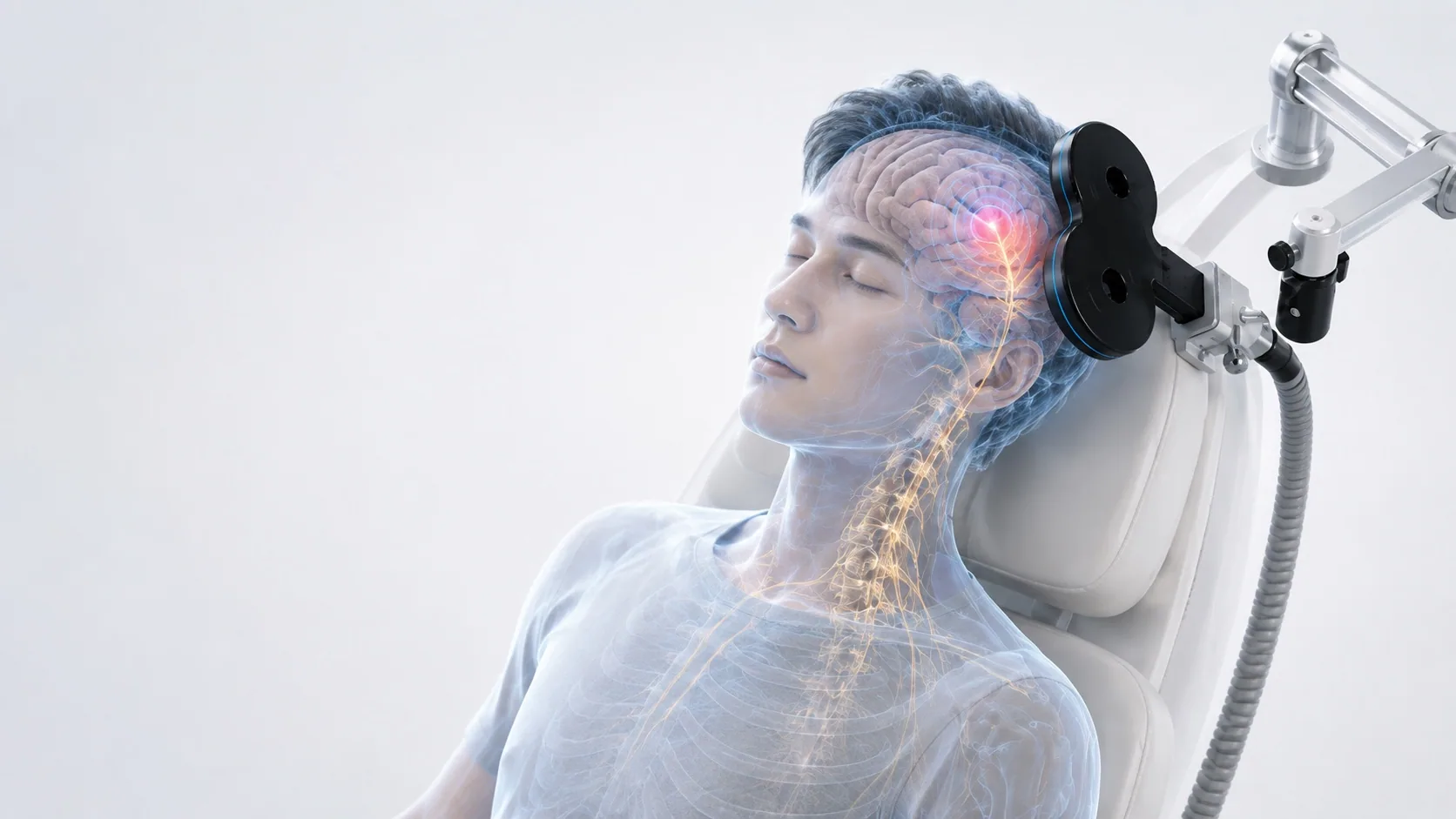
This stimulates brain cells with a magnetic field. Current passing through a coil held close to the cerebral cortex generates a magnetic field, which acts on the electrical properties of neurons to produce depolarization.
Transcranial magnetic stimulation (TMS)effect?
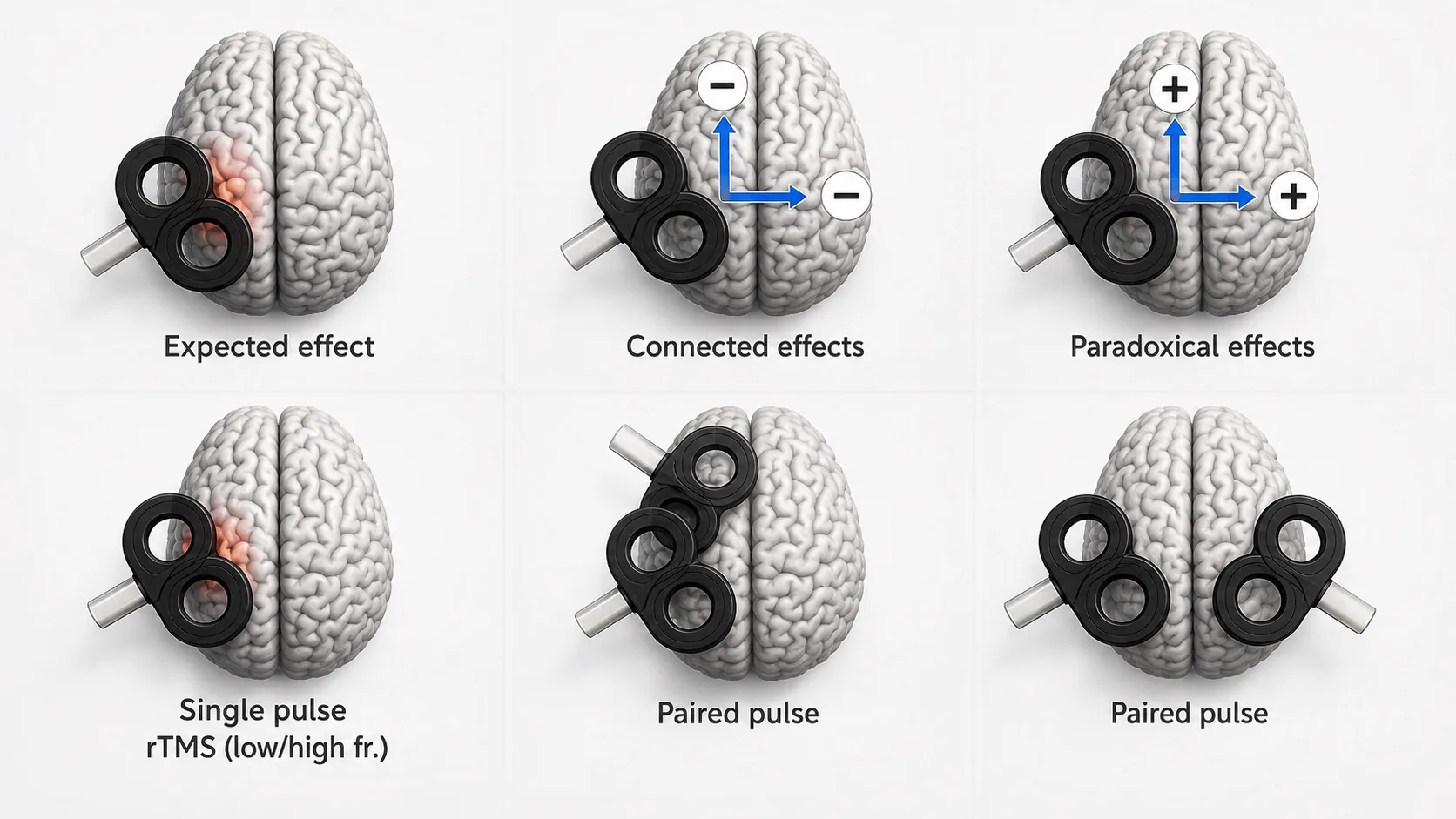
TMS stimulates the cerebral cortex directly. TMS equipment has been in medicine for over 30 years and has come into active use over roughly the past decade — a treatment with very few side effects and an established safety record.
Recent papers have reported efficacy in depression. Research findings on effects in other brain disorders, including memory impairment and dementia, obsessive-compulsive disorder, insomnia, and headache, continue to be published.
TMS treatmentwhich conditions does it work for?
 Mild cognitive impairment (or dementia)
 Migraine
 Parkinson's disease, essential tremor
 Major depressive disorder and anxious depression
 Obsessive-compulsive disorder
 Stopping smoking (to quit)
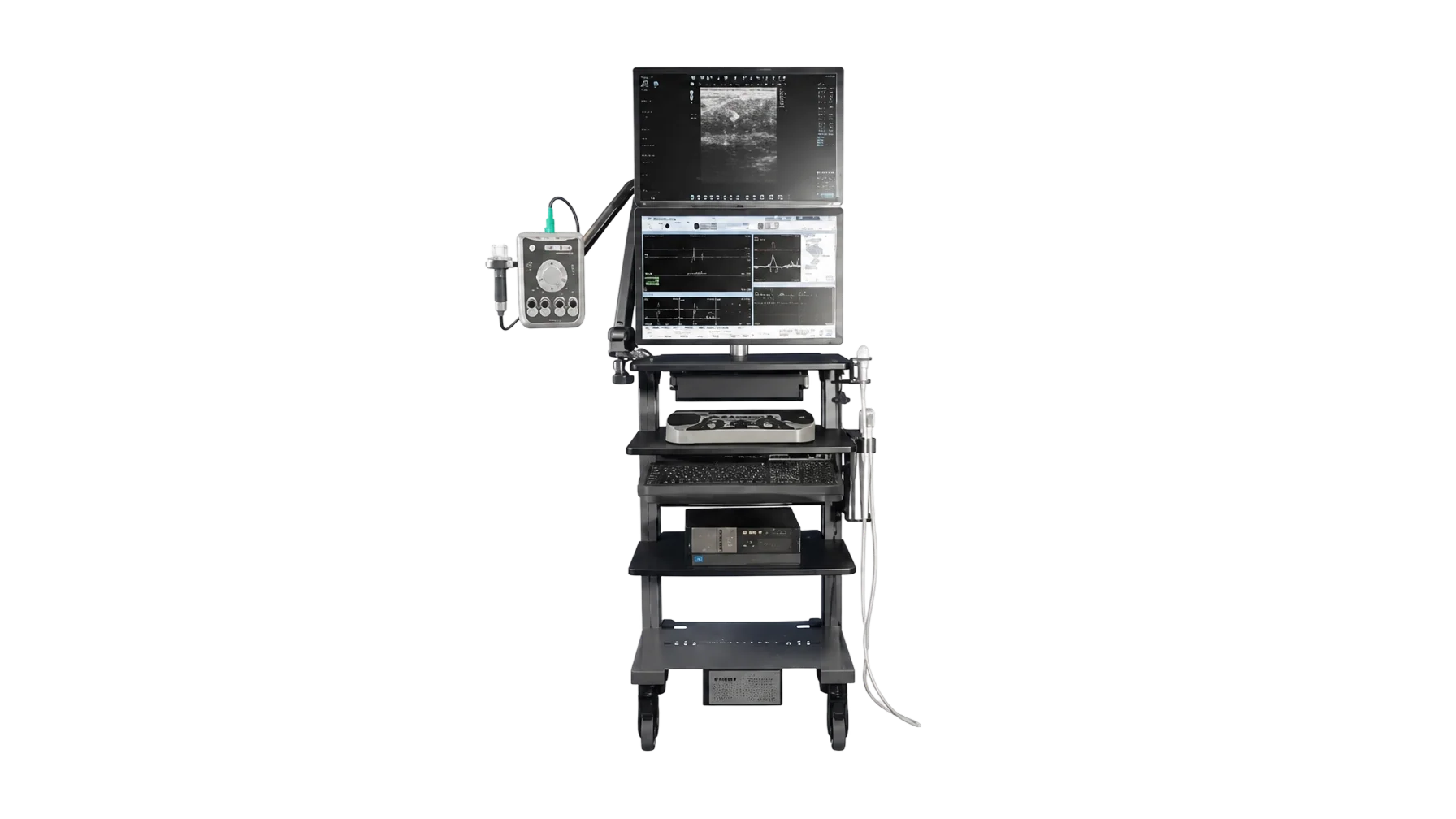
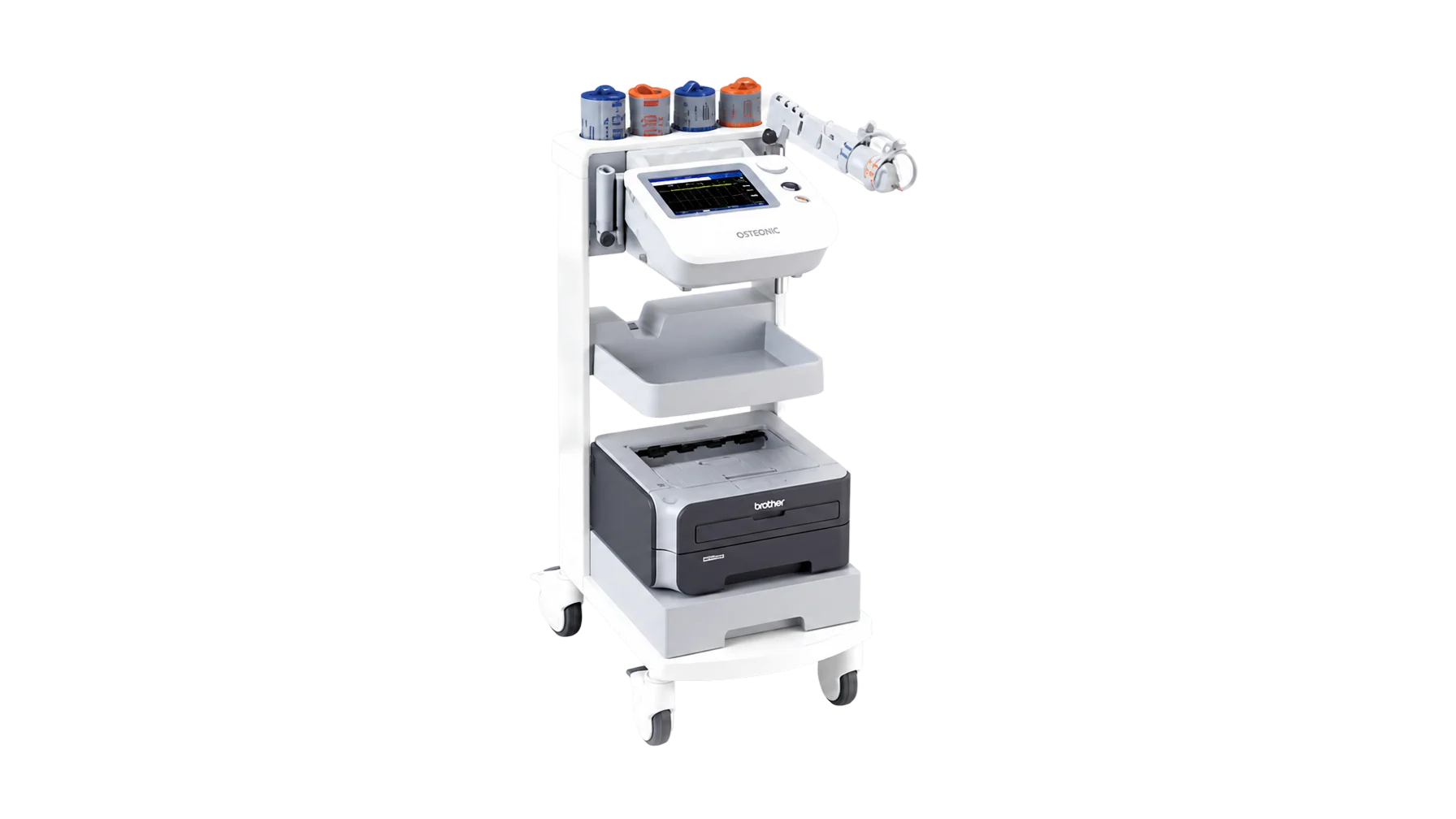
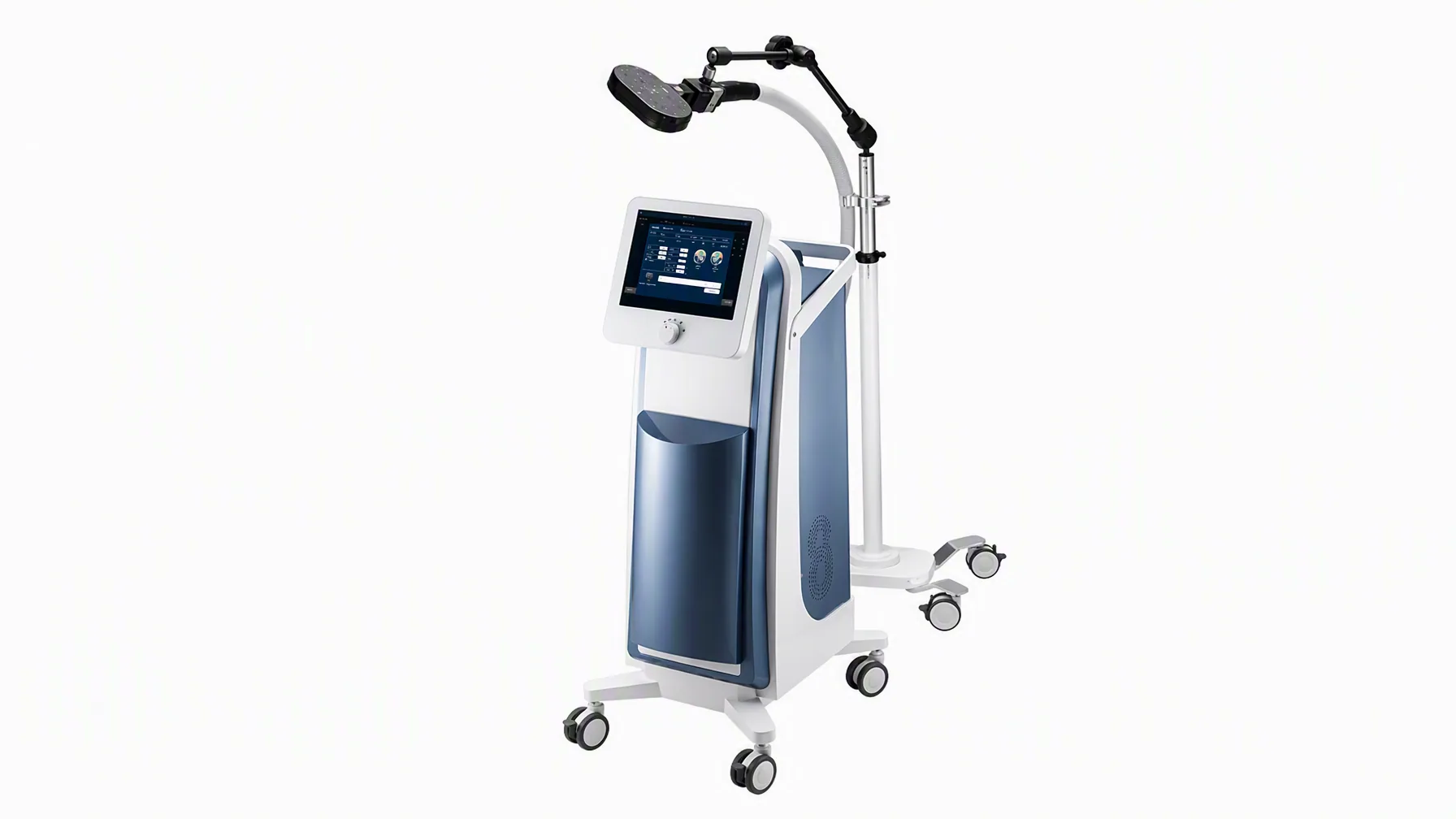
Our clinic The latest TMS systemis used
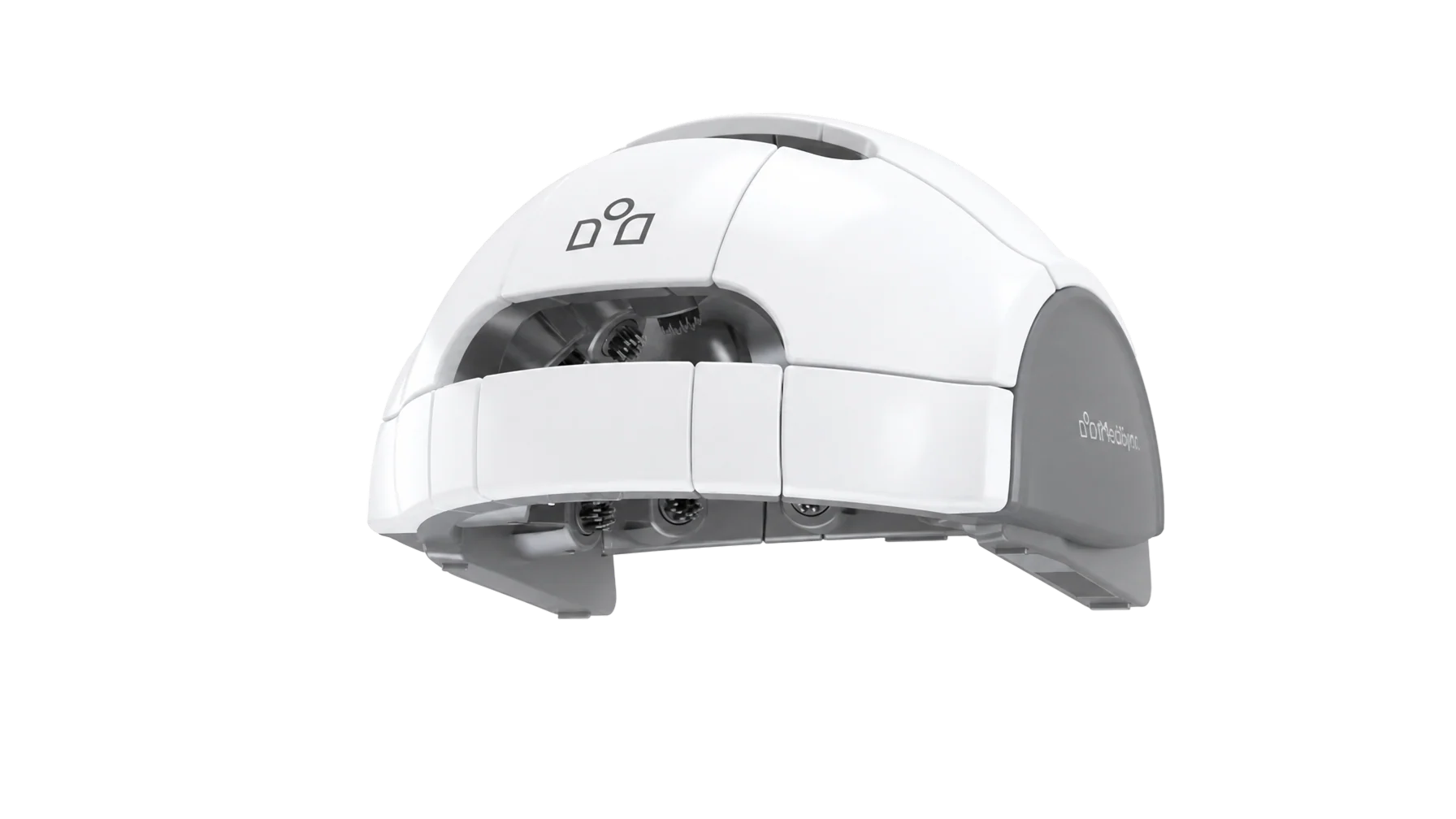
The latest TMS system, with a new stimulation coil and precision targeting software, allows more accurate and efficient treatment than older equipment.
| Precision targeting | A new stimulation coil targets the brain region with greater precision |
|---|---|
| Efficiency · focus | Equipped with treatment programs offering higher stimulation efficiency and focus than earlier TMS systems |
| Clinical efficacy | Demonstrated superior clinical efficacy to older systems with minimized side effects |
In the following cases TMS is contraindicatedare in use
| Metal fragments | Those with metal fragments in the brain or skull |
|---|---|
| Deep brain stimulator | Those with a deep brain stimulator (some patients with severe tremor or Parkinson's disease) |
| Clipping · coiling | Those who have had clipping surgery or coiling for a cerebral aneurysm |
| Cardiac pacemaker | Those with a cardiac pacemaker |
| Seizures · epilepsy | Patients with a past seizure or a diagnosis of epilepsy |
※ This is general medical information provided for understanding only. Whether and how to treat is determined by a specialist after examination, based on the individual patient's condition.