
Cerebral Aneurysm
An unruptured cerebral aneurysm found incidentally
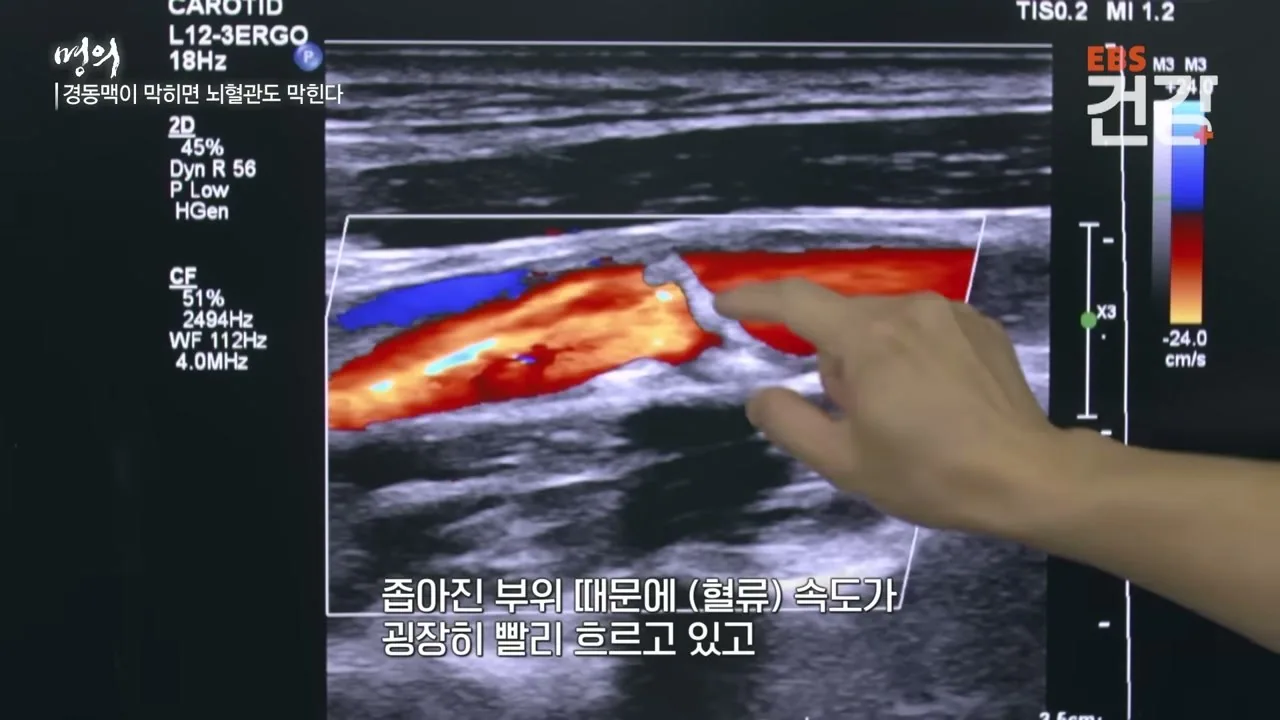
Source : EBS Health "Myeongui" (27 Oct 2025)
In many cases there is no sign at all until an aneurysm ruptures or a narrowed vessel occludes.
Healthy individuals over 50, and younger people with multiple risk factors for atherosclerosis, should certainly undergo cerebrovascular examination.
An unruptured cerebral aneurysm found incidentally
Stenosis and atherosclerotic plaque in the cerebral and carotid arteries
Silent infarcts and microhemorrhages that went unnoticed in the past
Brain tissue damage from small-vessel atherosclerosis
Cardiac conditions that cause cerebral infarction, such as arrhythmia (especially atrial fibrillation)
The degree of atherosclerosis in the limb vessels as well as the cerebral vessels
Answer yes or no to each item. Your risk level is displayed immediately based on the number of "yes" answers.
This assessment is based on the number of items above answered "yes."
01A grandparent or parent has had a stroke
02The tongue has felt stiff and you have felt dizzy
03You are over 50
04Hands and feet feel numb and vision is dim at times
05You smoke
06You are obese
07You like alcohol
08You have hypertension
09You enjoy salty food
10You have diabetes
11You enjoy eating fatty foods
12You have dyslipidemia
13You often go to a cold bathroom during the night
14You have never had a fundus examination
15Stress has built up from overwork and lack of sleep
These are all findings whose preventive value is greatest when detected before symptoms appear. Cerebral aneurysms in particular cause no symptoms at all in most cases until they rupture.
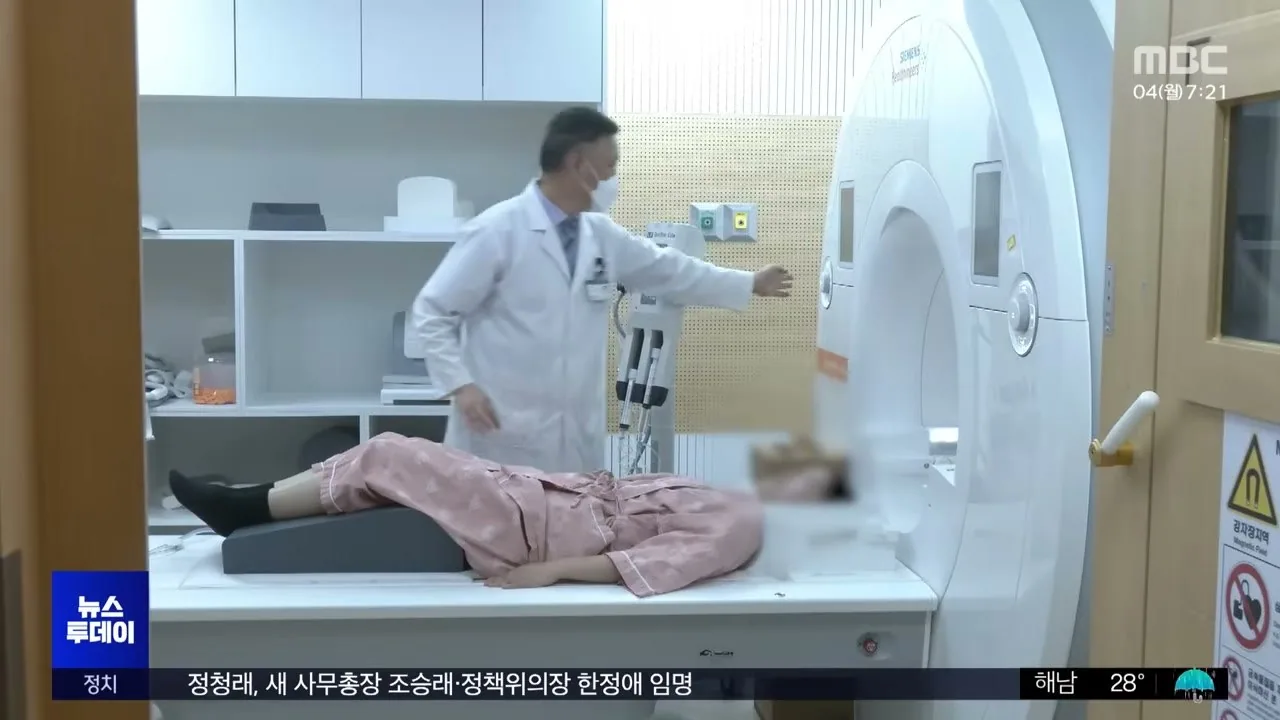
Stroke risk varies greatly with blood pressure, blood glucose, cholesterol, smoking, and family history. If even one risk factor is present, we recommend regular checks even without symptoms.
※ This is general medical information provided for understanding only. The actual screening items and interpretation of results are determined after consultation with a specialist.
뇌혈관내 인터벤션 시술 2000례 이상의 경험을 토대로 센텀신경과의원 의료진이 맞춤형 뇌혈관 검진을 시행해 드립니다.