Autonomic dysfunction (syncope)
Syncope — the cause must be found
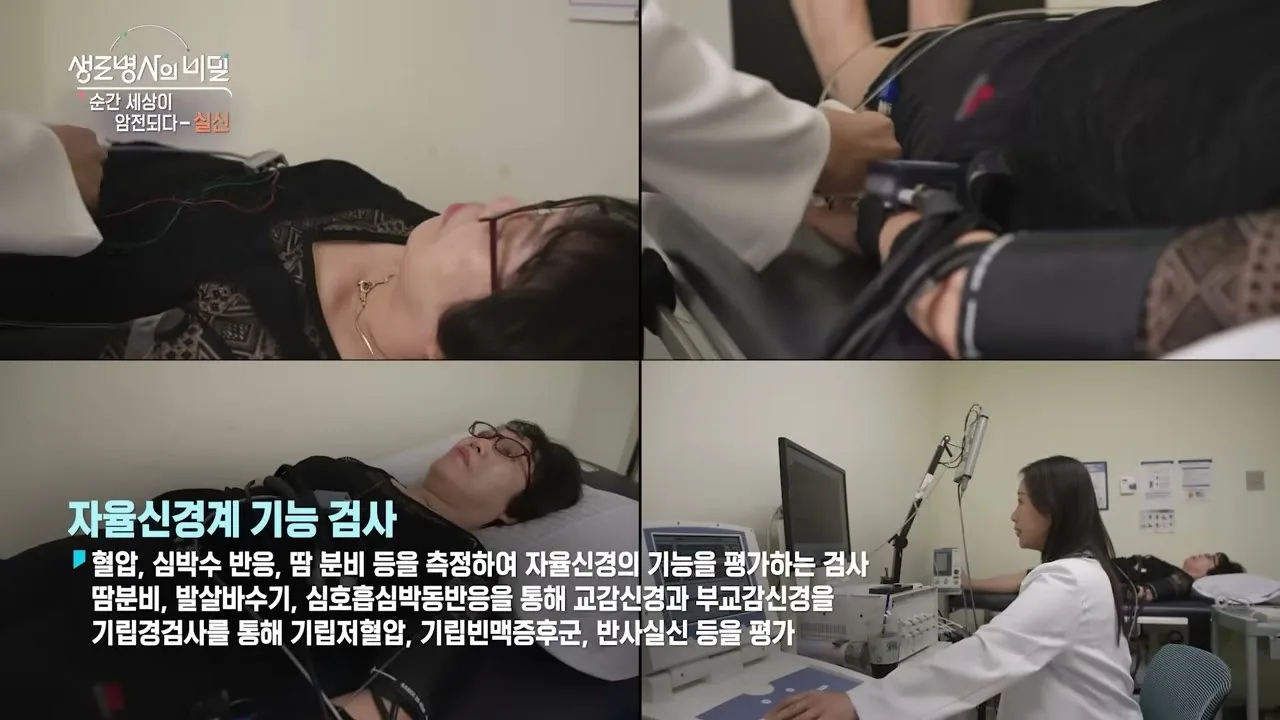
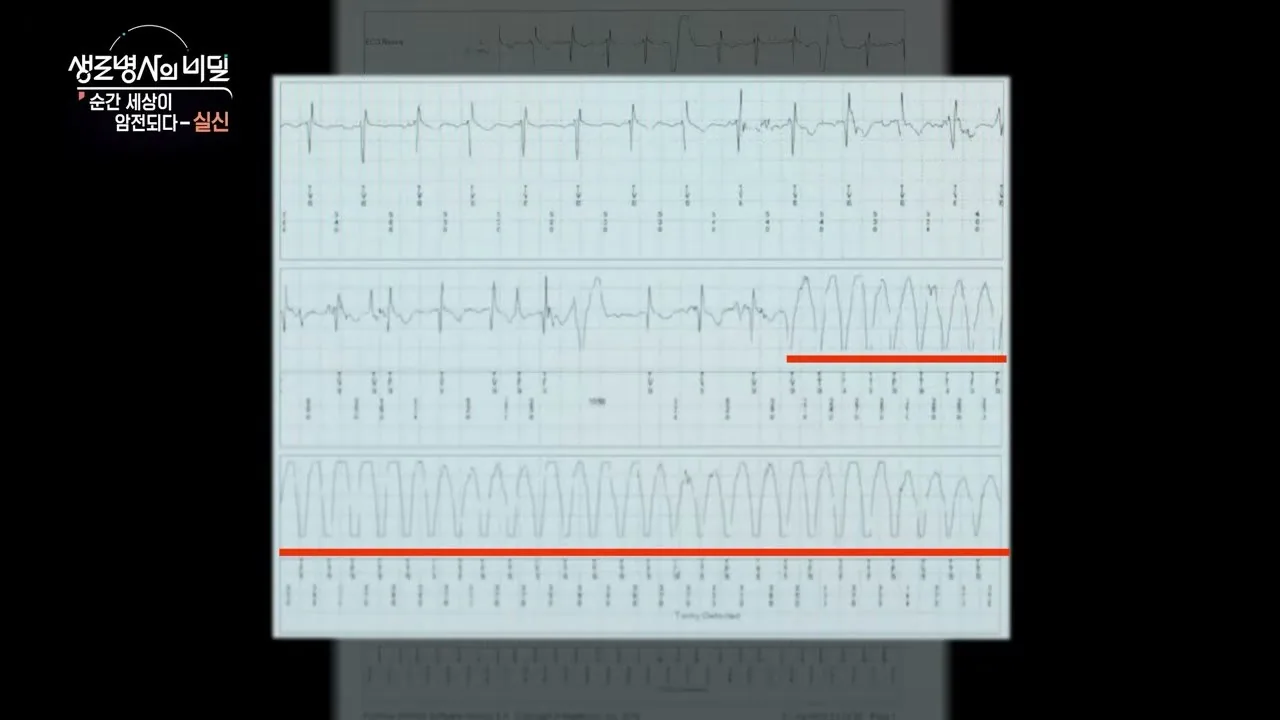
Source : KBS 1TV "The Secret of Life and Death" ep. 962 (13 Aug 2025) · Source: Korean Heart Rhythm Society, 2024 Syncope Practice Guidelines
Syncope is a transient loss of consciousness with collapse, and it is common enough that 3–3.5% of people are known to experience it at some point in life. But the level of risk differs entirely depending on whether the cause is reflex, orthostatic, or cardiac.
People commonly feel dizzy on rising from a squat or while standing on the subway, and worry it might be anemia. It can occur transiently, but if it happens often in daily life and has progressed to fainting with loss of consciousness, the cause must be found for your safety.
The most common form is vasovagal syncope (also called neurocardiogenic or vasovagal fainting), caused by a transient imbalance of the autonomic nervous system, and it occurs mainly in younger people. It frequently happens after sitting or standing for long periods in a stuffy, enclosed, or hot environment. Various external stimuli — an odor, a distressing sight, severe pain, defecation, urination, or coughing — activate the vagal system and bring on the faint.
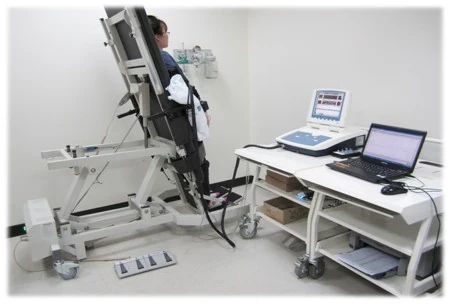
If systolic blood pressure falls by 20 mmHg or diastolic by 10 mmHg on standing, it is orthostatic hypotension; if the pulse rises by 30 beats or more, it is postural orthostatic tachycardia syndrome. Autonomic function testing and the tilt table test establish which type it is.
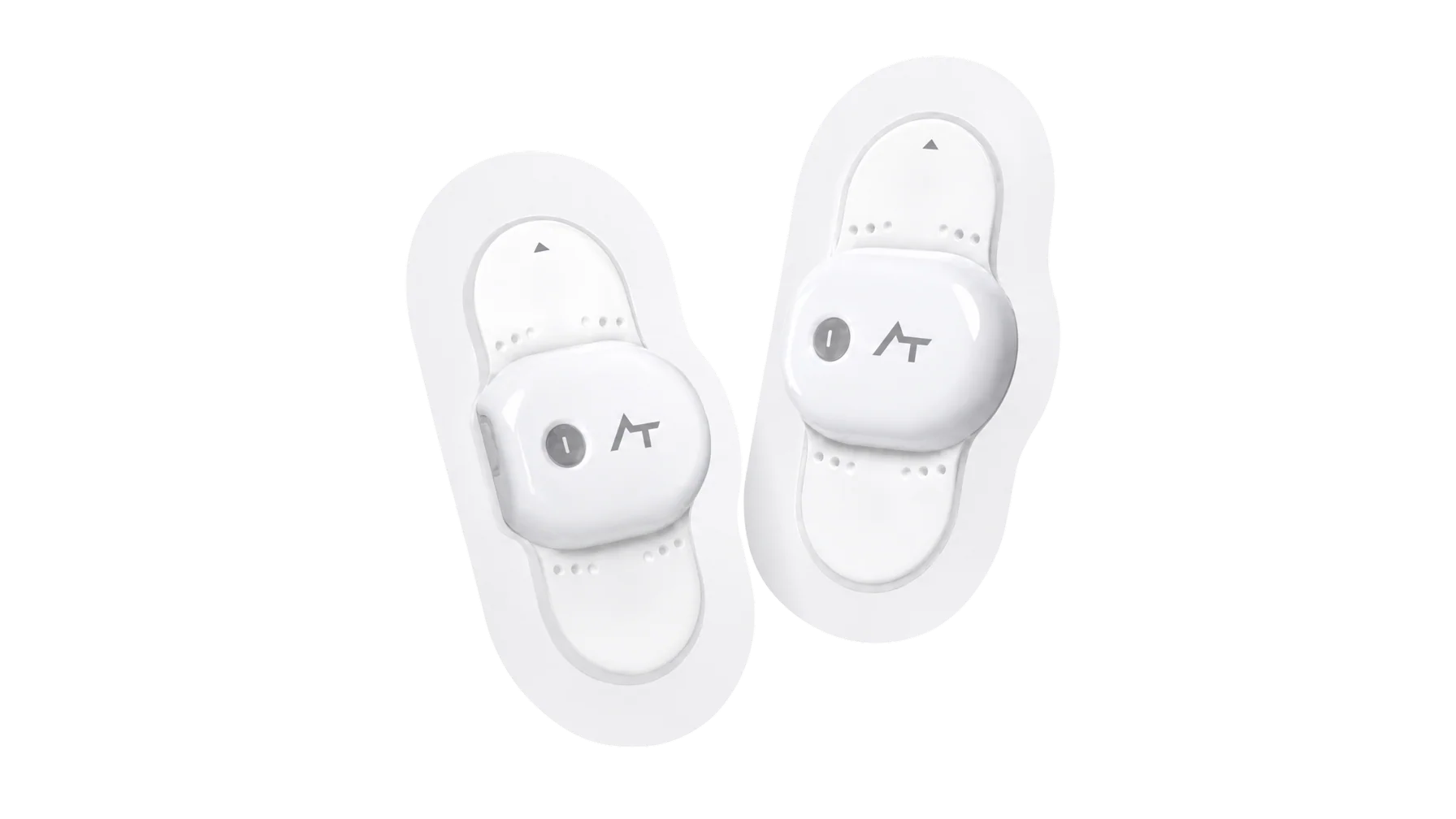
Collapsing without warning — during exercise, or while seated or lying down — may indicate a cardiac cause. In that case it may be an emergency, so cardiac testing such as 24-hour blood pressure and ECG monitoring, along with blood tests for anemia, dehydration, and heart disease, must be checked first.
How is autonomic dysfunction tested and treated?

The autonomic nerves are the nerves that regulate the body independently of will — blood pressure, pulse, temperature, digestion.
When this regulation goes awry, light-headedness on standing, fainting, palpitations, and chronic fatigue recur — yet routine tests come back normal, so it is easily mistaken for simply being out of shape.
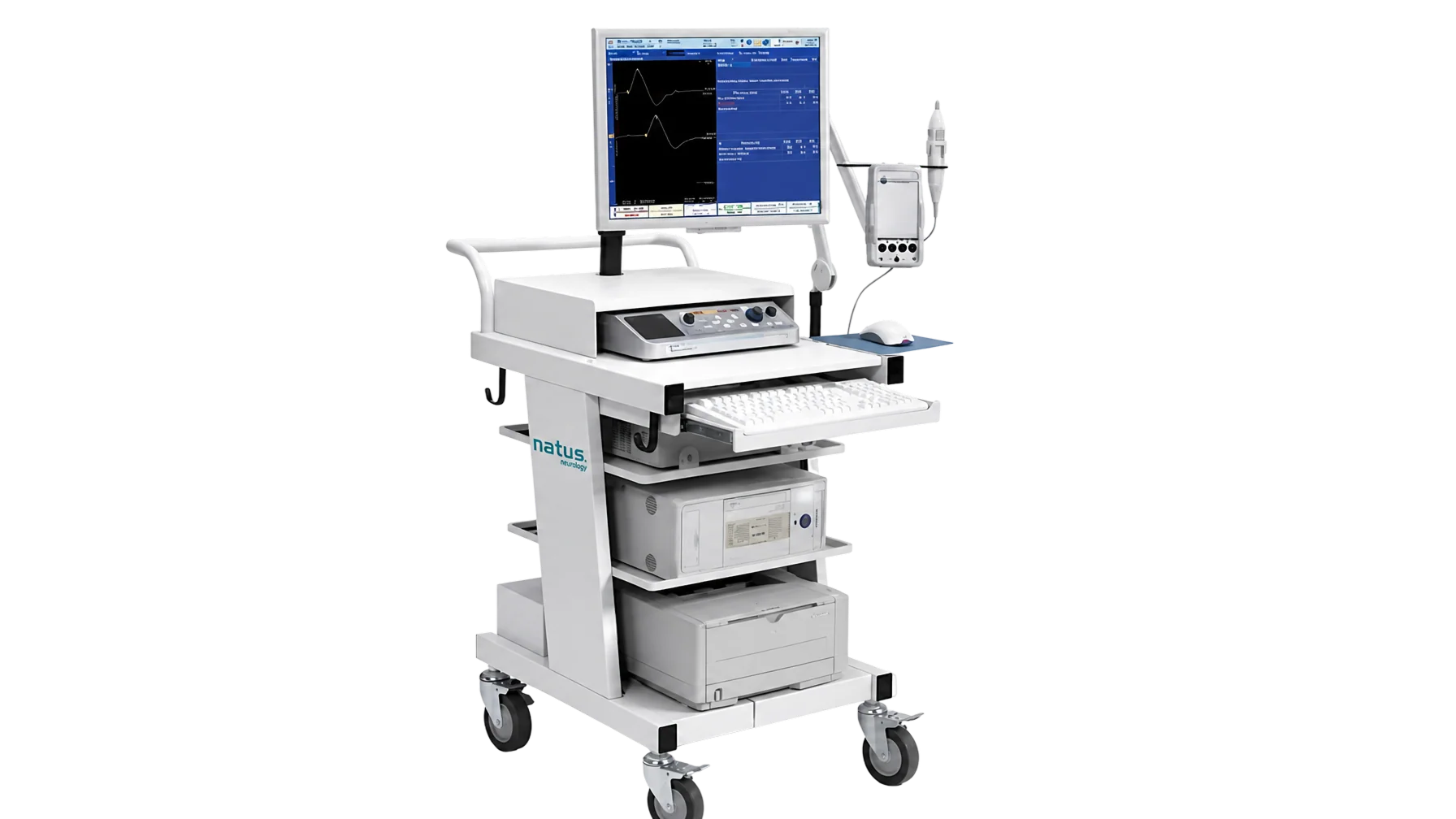
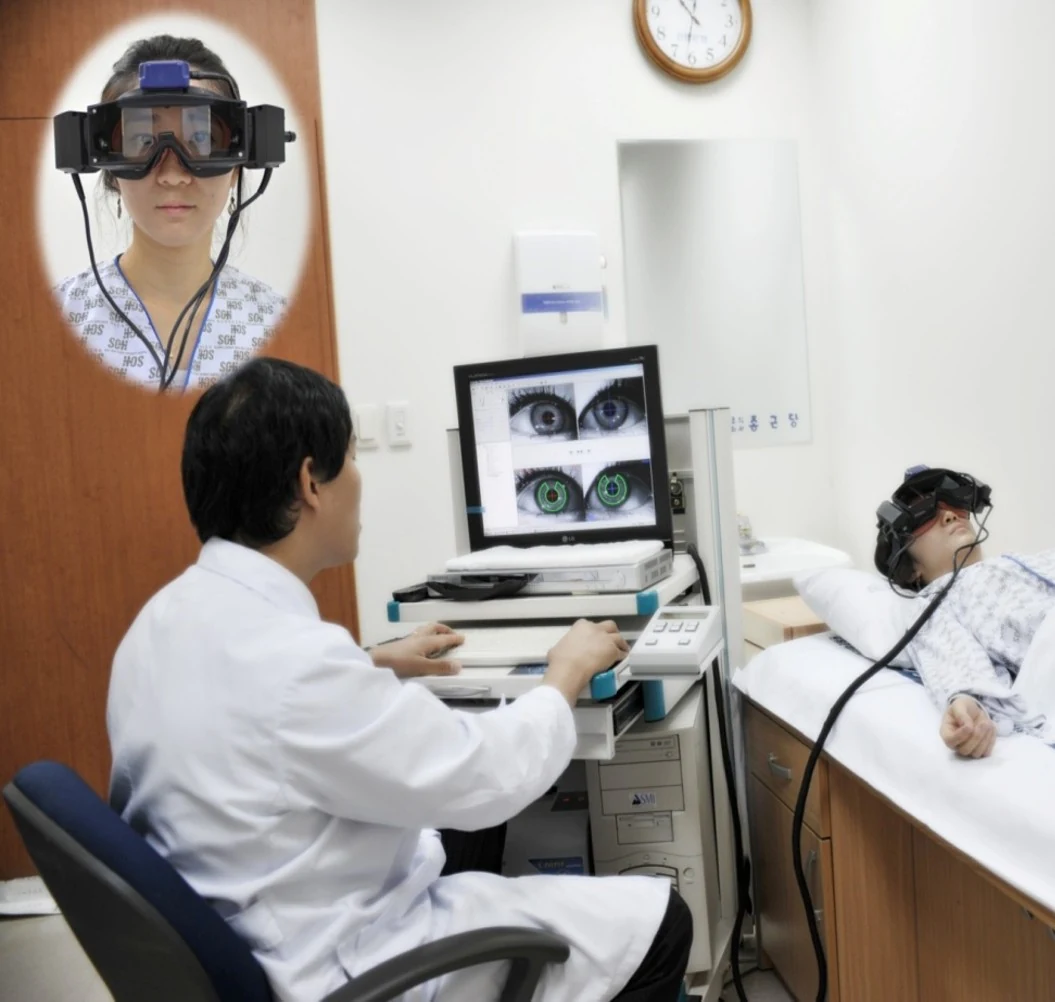
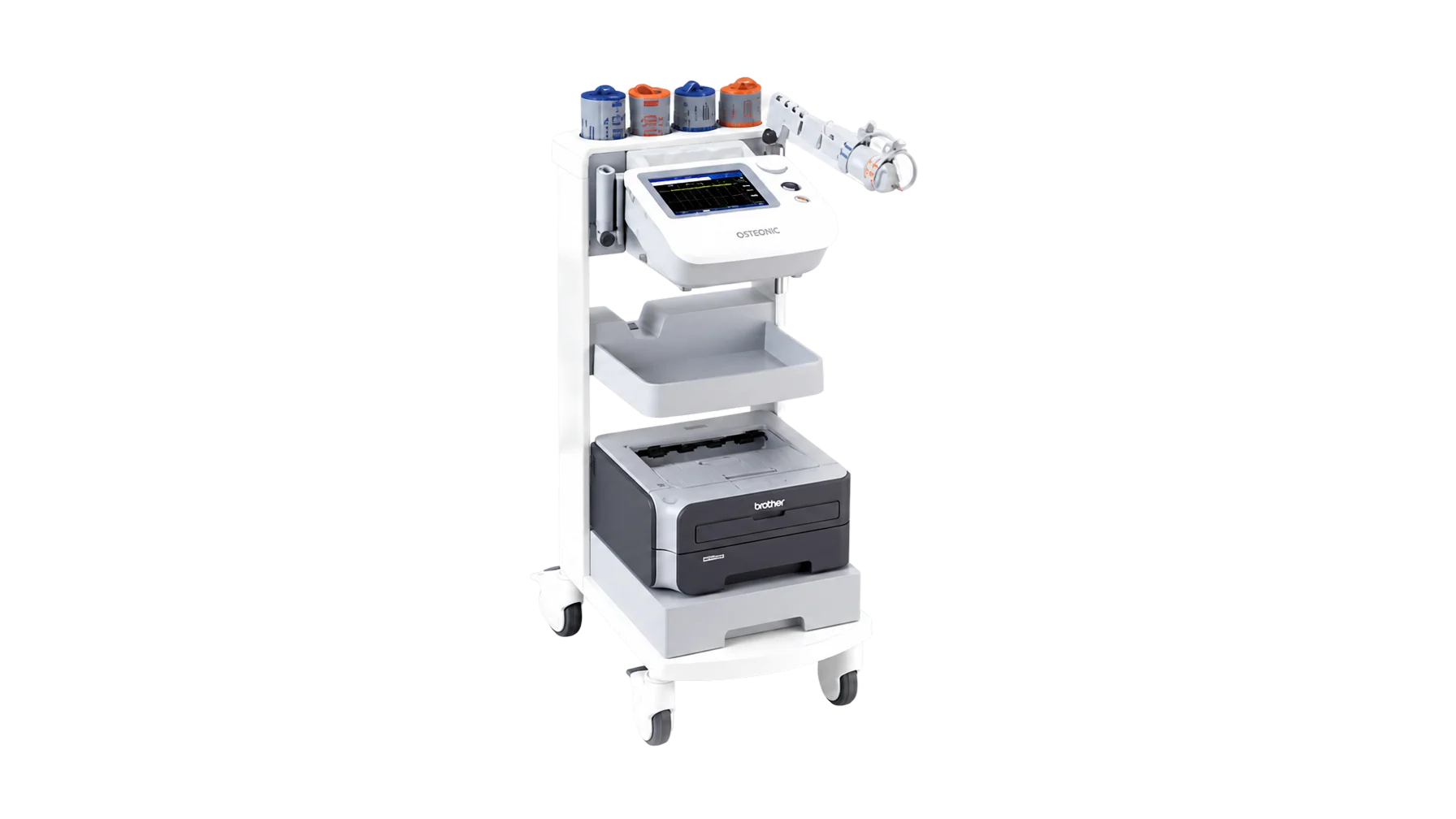
Identifying the type through autonomic function testing such as the tilt table test allows us to diagnose orthostatic hypotension, postural orthostatic tachycardia syndrome, or an imbalance between sympathetic and parasympathetic activity, and to set the direction precisely — from lifestyle prescriptions to medication and nerve treatment.
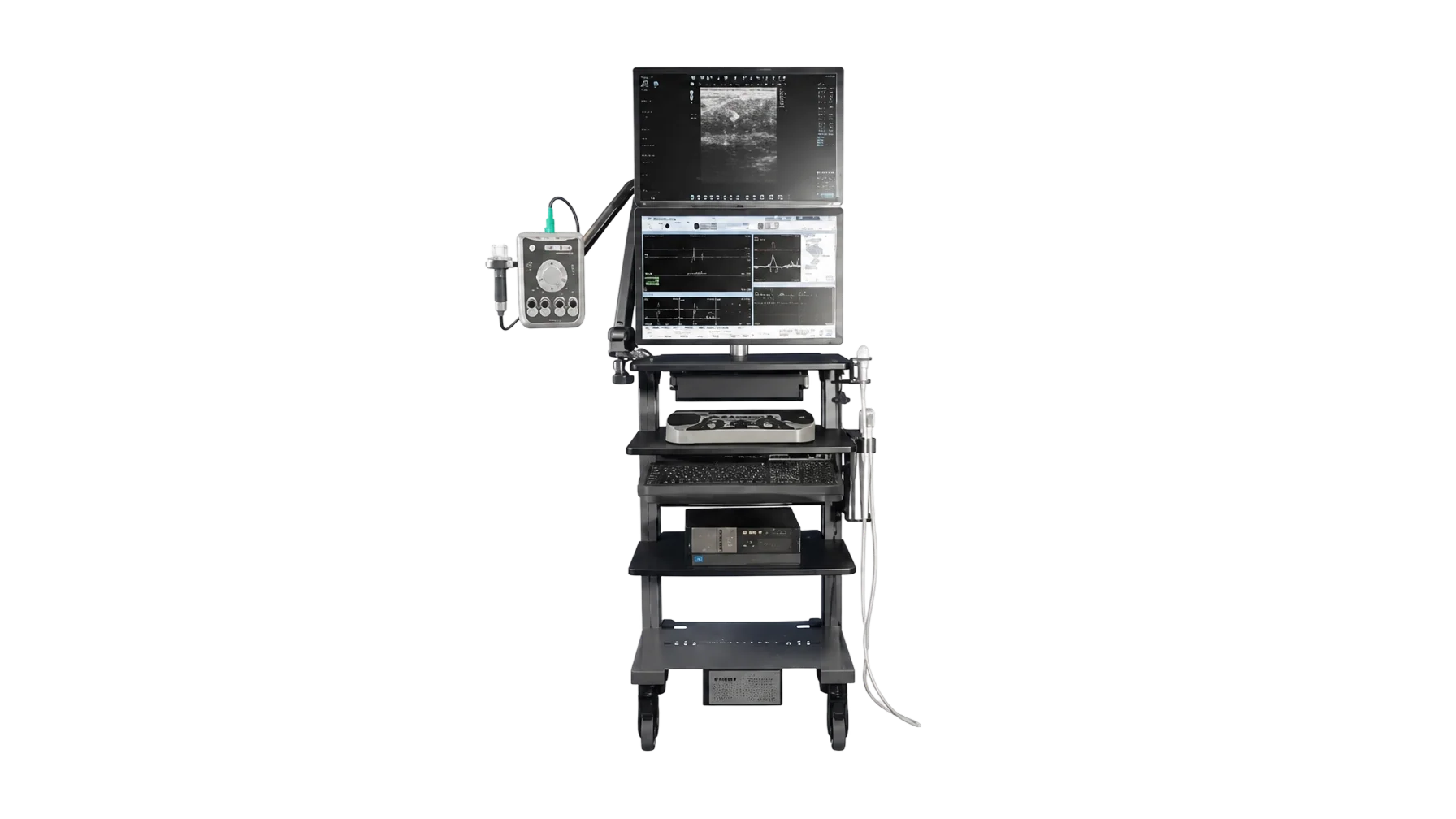
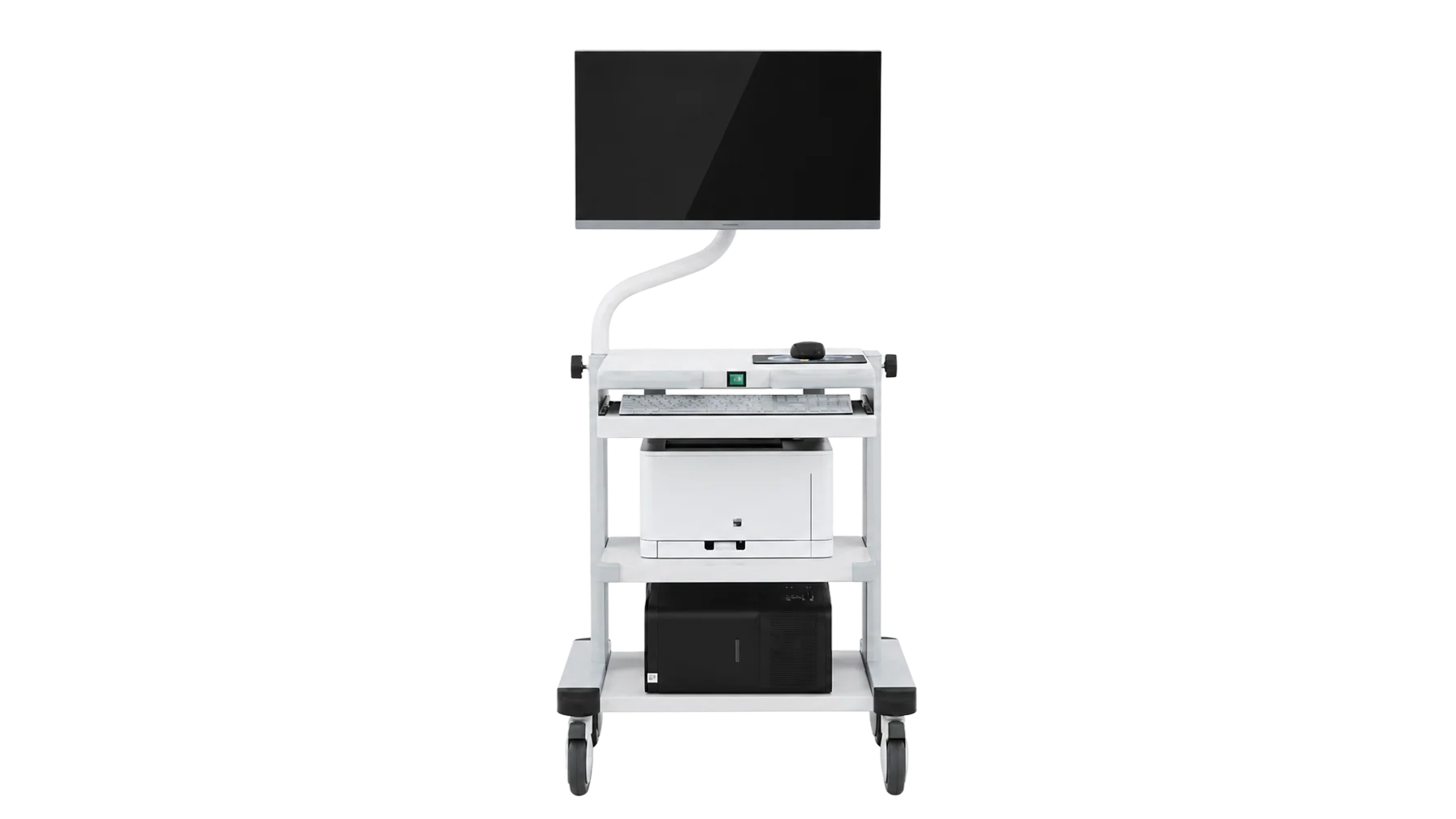
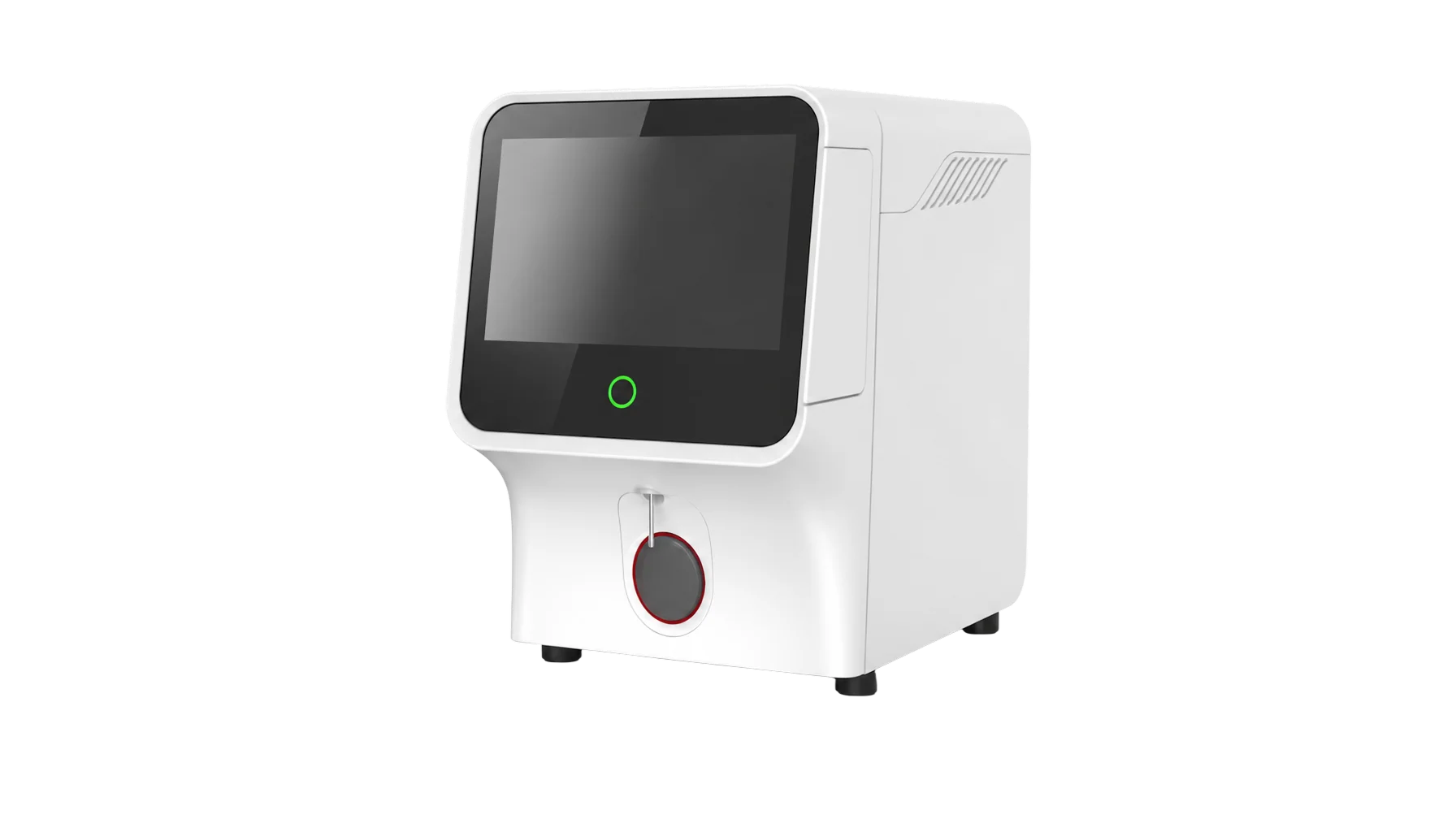
Wearable cardiac testing (24-hour blood pressure and ECG), tilt table test · heart rate variability (HRV) · Valsalva maneuver, autonomic testing, and blood tests identify the cause the same day, and with medication, fluid and salt prescriptions, compression stockings and abdominal binders, or autonomic nerve injection, the right treatment can improve the symptoms of autonomic dysfunction.
In-clinic Tilt table test · Heart rate variability (HRV) · Valsalva maneuver Testing identifies the cause the same day, and
Medication · Fluid and salt prescription · Compression stockings and abdominal binder · Autonomic Nerve Injection only what is needed selecting and proceeding step by step.
※ This is general medical information provided for understanding only. Actual diagnosis and treatment are determined by a specialist after examination, based on the individual patient's condition.