Incisionless ligament release (carpal tunnel, trigger finger)

Fast and simple, and Safe minimally invasive ligament release
Fast and simple, and Safe minimally invasive ligament release

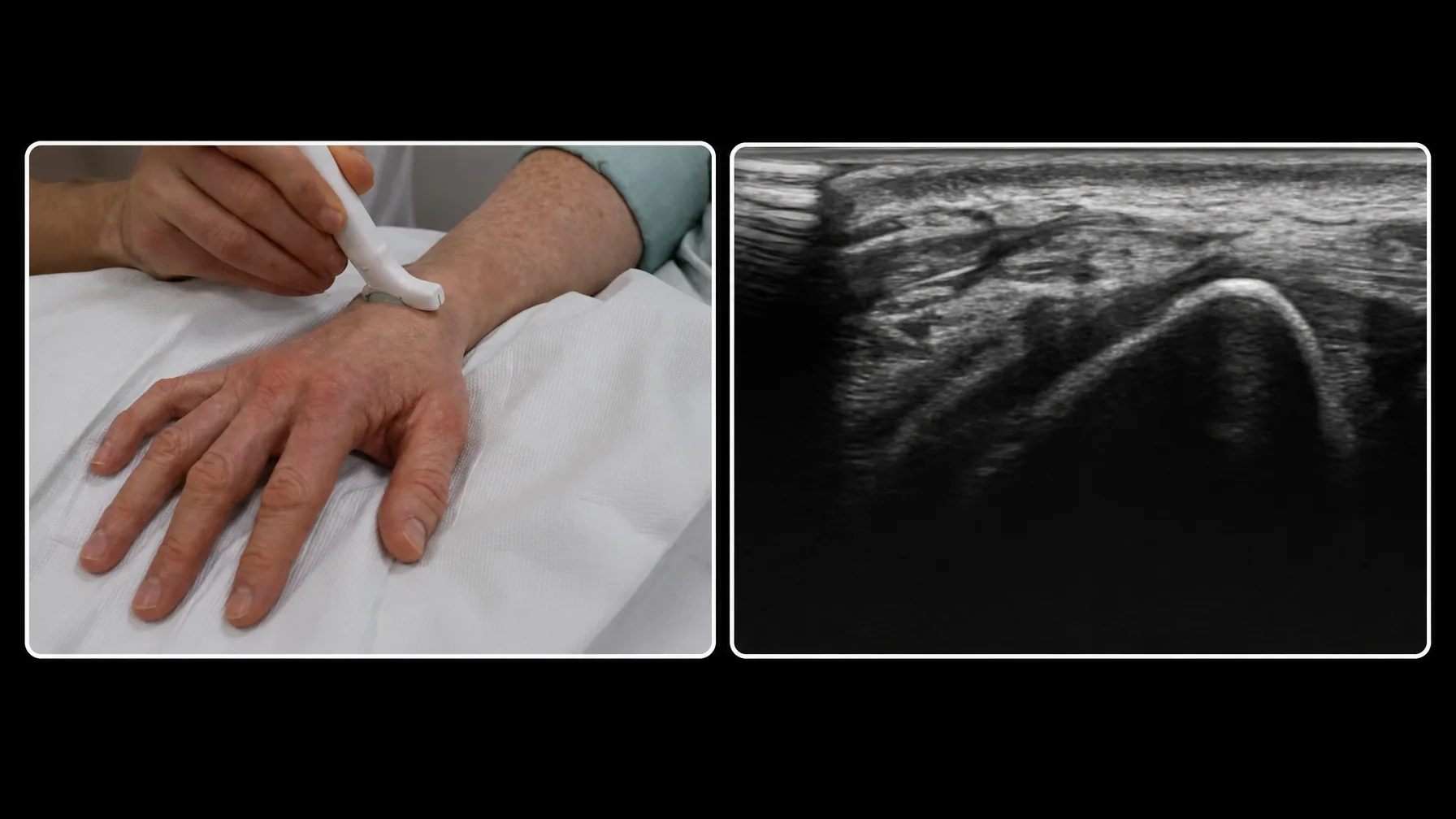
One of the non-surgical treatments for carpal tunnel syndrome and trigger finger. Using ultrasound, only the ligament compressing the nerve is precisely released, allowing rapid and effective treatment.
For carpal tunnel syndrome the thickened transverse carpal ligament, and for trigger finger the pulley ligament, is released precisely with a fine wire under ultrasound guidance.

Patented Fine wire (smart wire)and specialized instruments minimize scarring and improve accuracy

Patented Fine wire (smart wire)and specialized instruments minimize scarring and improve accuracy

The wire used in minimally invasive ligament release is an extremely fine 0.27 mm filament. Because the material is very soft, the risk of injuring surrounding tissue such as nerves and vessels is far lower than with blade-based release; under tension it cuts sharply and precisely, affecting only the target site.

Ligament releaseTypes of

Open surgeryEndoscopic surgeryUltra-minimally invasive ligament release
Skin incision4~5cm2cmNone
AnesthesiaBrachial plexus blockBrachial plexus block / local anesthesiaLocal anesthesia
Return to daily life2 weeks1 weekImmediately after surgery
Handwashing2 weeks1 week2–3 days

Ligament releaseComparison of outcomes for

  • Open surgery
  • Endoscopic surgery
  • Ultra-minimally invasive ligament release
01234Before surgery1 week4 weeks12 weeks26 weeks52 weeksOpen surgery · Before surgery 3.45Open surgery · 1 week 3.2Open surgery · 4 weeks 3Open surgery · 12 weeks 2.78Open surgery · 26 weeks 2.05Open surgery · 52 weeks 1.95Endoscopic surgery · Before surgery 3.45Endoscopic surgery · 1 week 2.38Endoscopic surgery · 4 weeks 2.2Endoscopic surgery · 12 weeks 1.86Endoscopic surgery · 26 weeks 1.72Endoscopic surgery · 52 weeks 1.95Ultra-minimally invasive ligament release · Before surgery 3.45Ultra-minimally invasive ligament release · 1 week 1.7Ultra-minimally invasive ligament release · 4 weeks 1.5Ultra-minimally invasive ligament release · 12 weeks 1.36Ultra-minimally invasive ligament release · 26 weeks 1.22Ultra-minimally invasive ligament release · 52 weeks 1

Incisionless Ligament ReleaseWhen is it needed?

No improvement after three months or more of conservative treatment such as medication and injections
When nerve conduction and EMG show nerve damage of moderate severity or worse
When progressive deterioration of motor and sensory nerve function is evident

※ This is general medical information provided for understanding only. Whether and how to treat is determined by a specialist after examination, based on the individual patient's condition.
Advanced Equipment

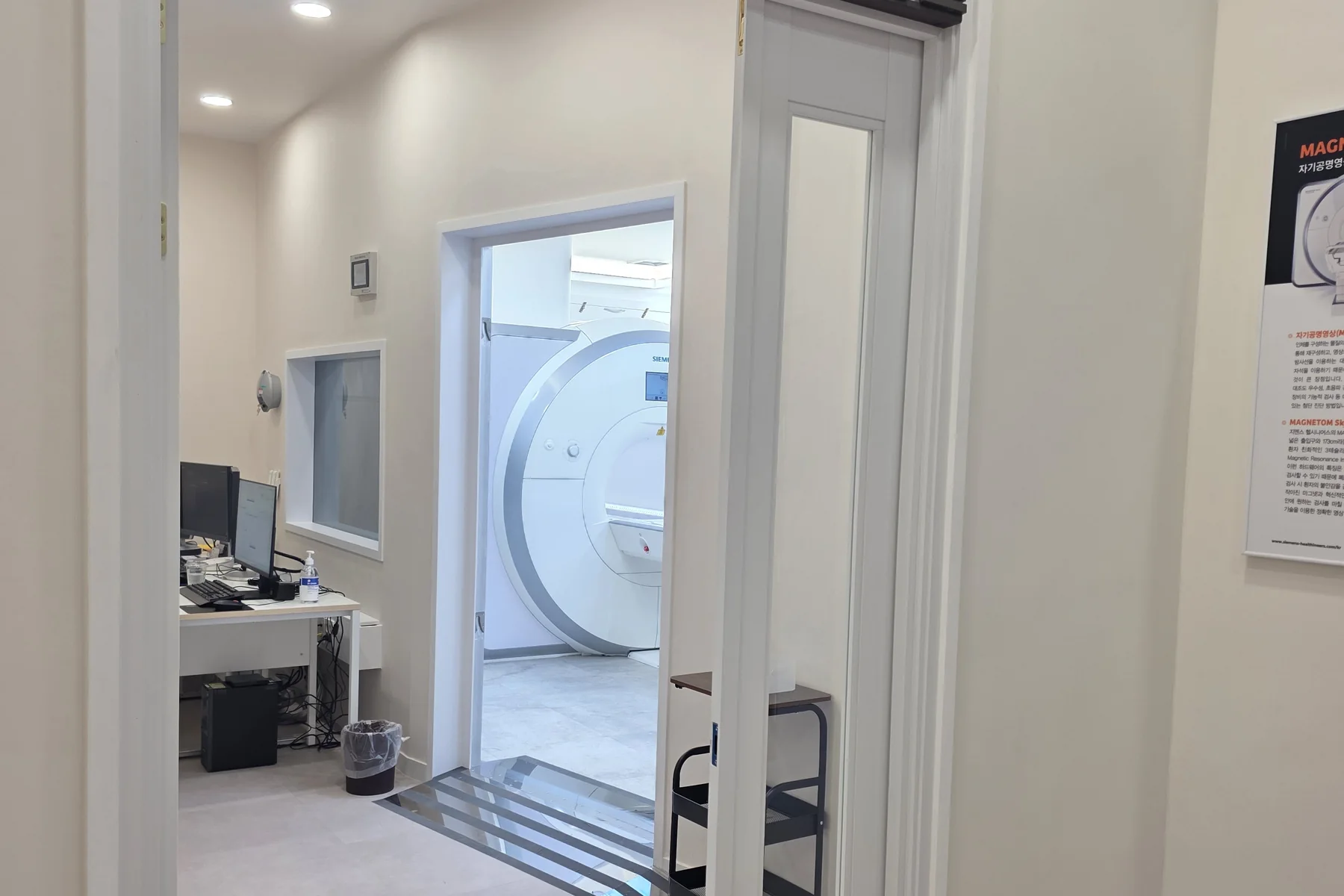
  • SIEMENS3T AI MRIWe add AI imaging (Deep Resolve) to a proven Siemens 3T MRI to examine neurological conditions faster and more clearly.
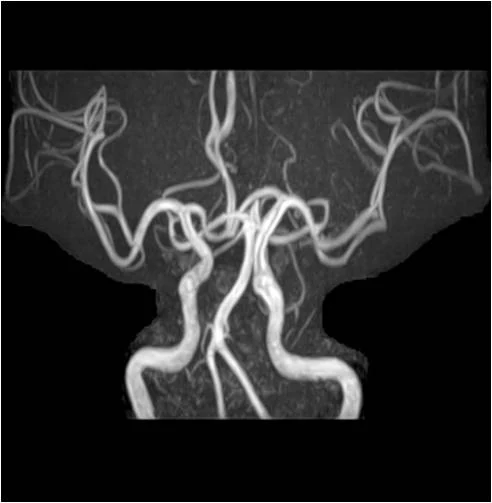
  • MRACerebrovascular and carotid MRAIt accurately evaluates the degree of atherosclerosis, stenosis, structural abnormality, and the presence of aneurysm in the vessels of the brain and neck.
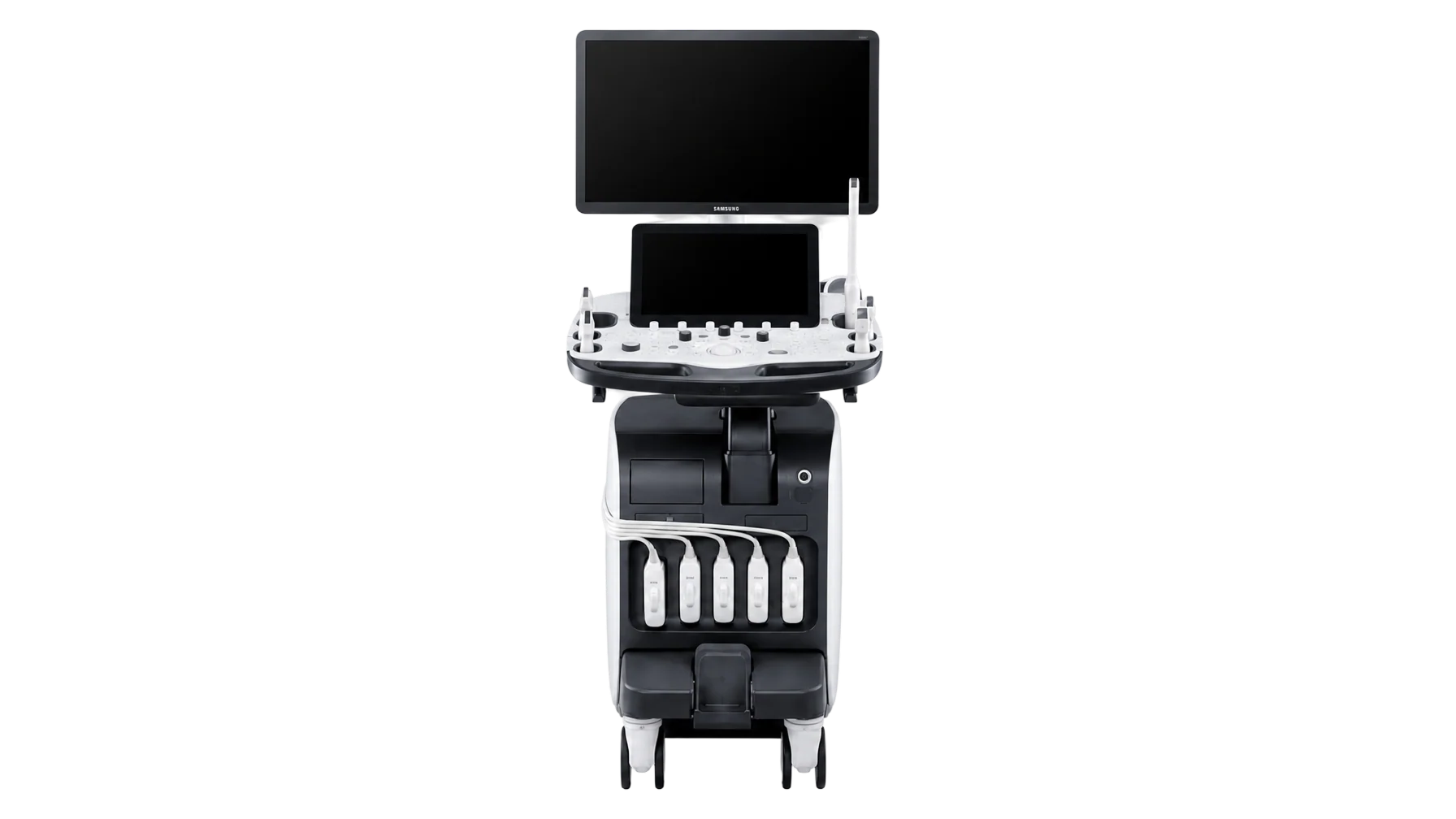
  • Carotid USCarotid UltrasoundCarotid wall thickness and plaque are examined to assess stroke risk.
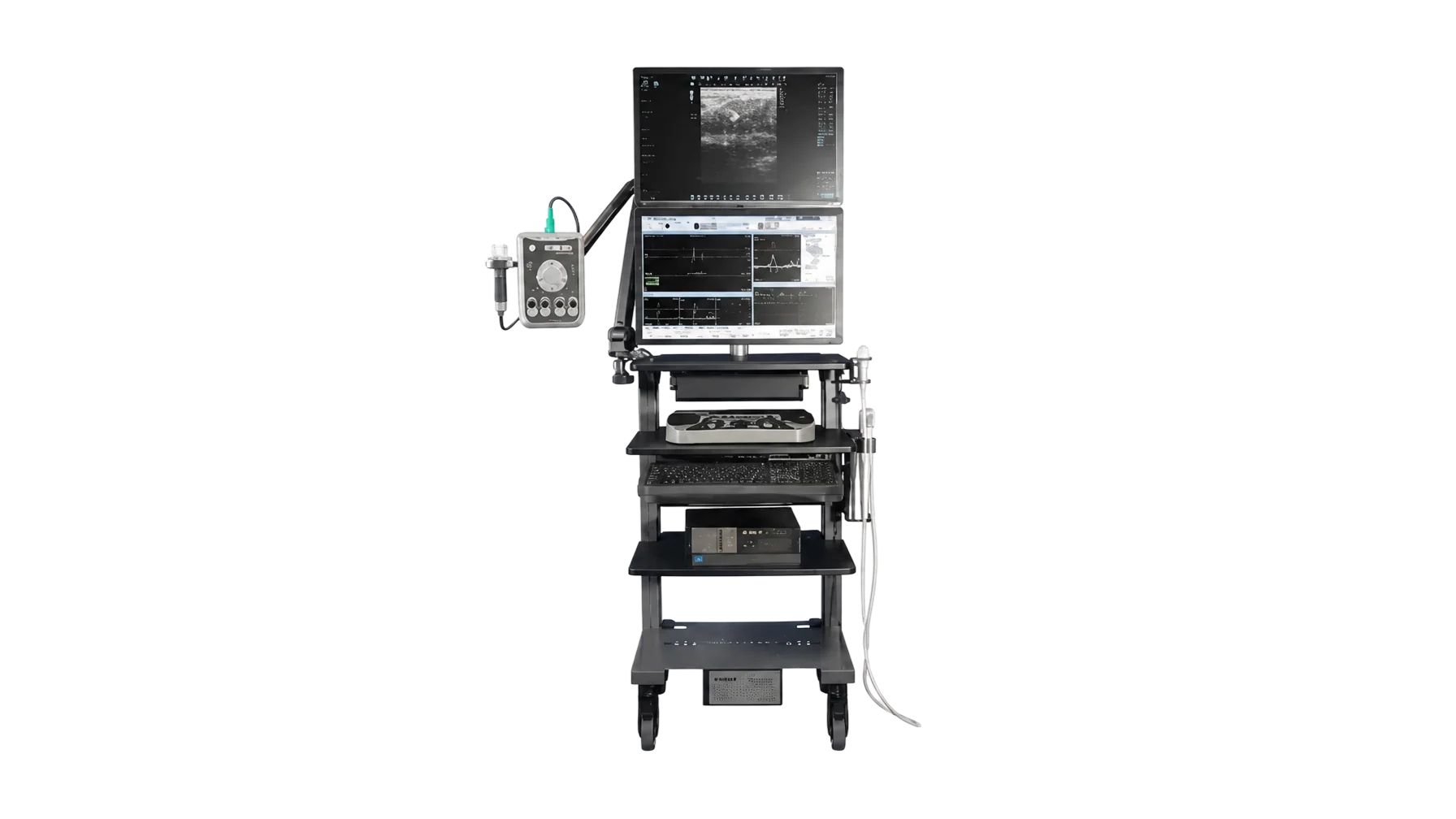
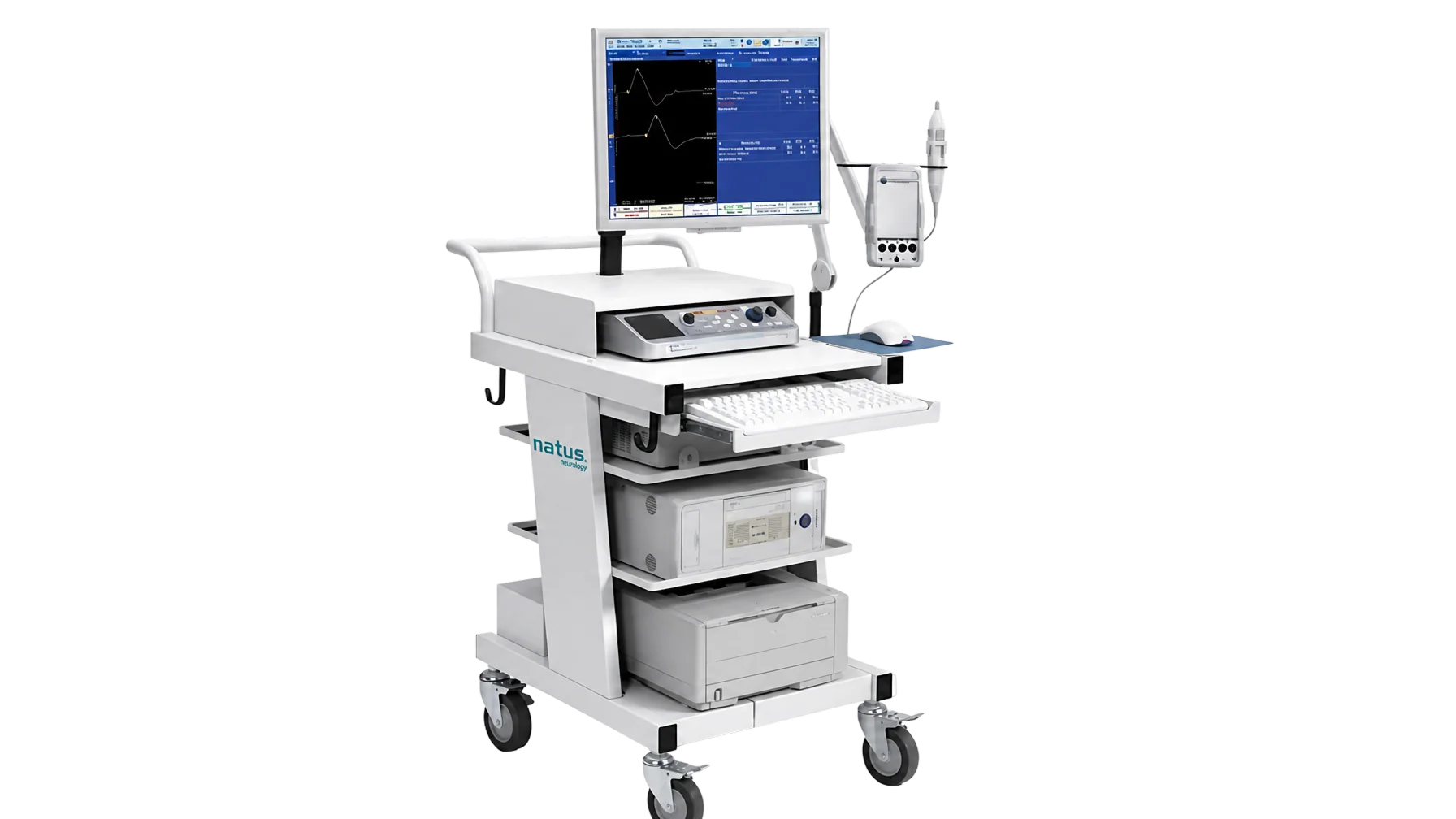
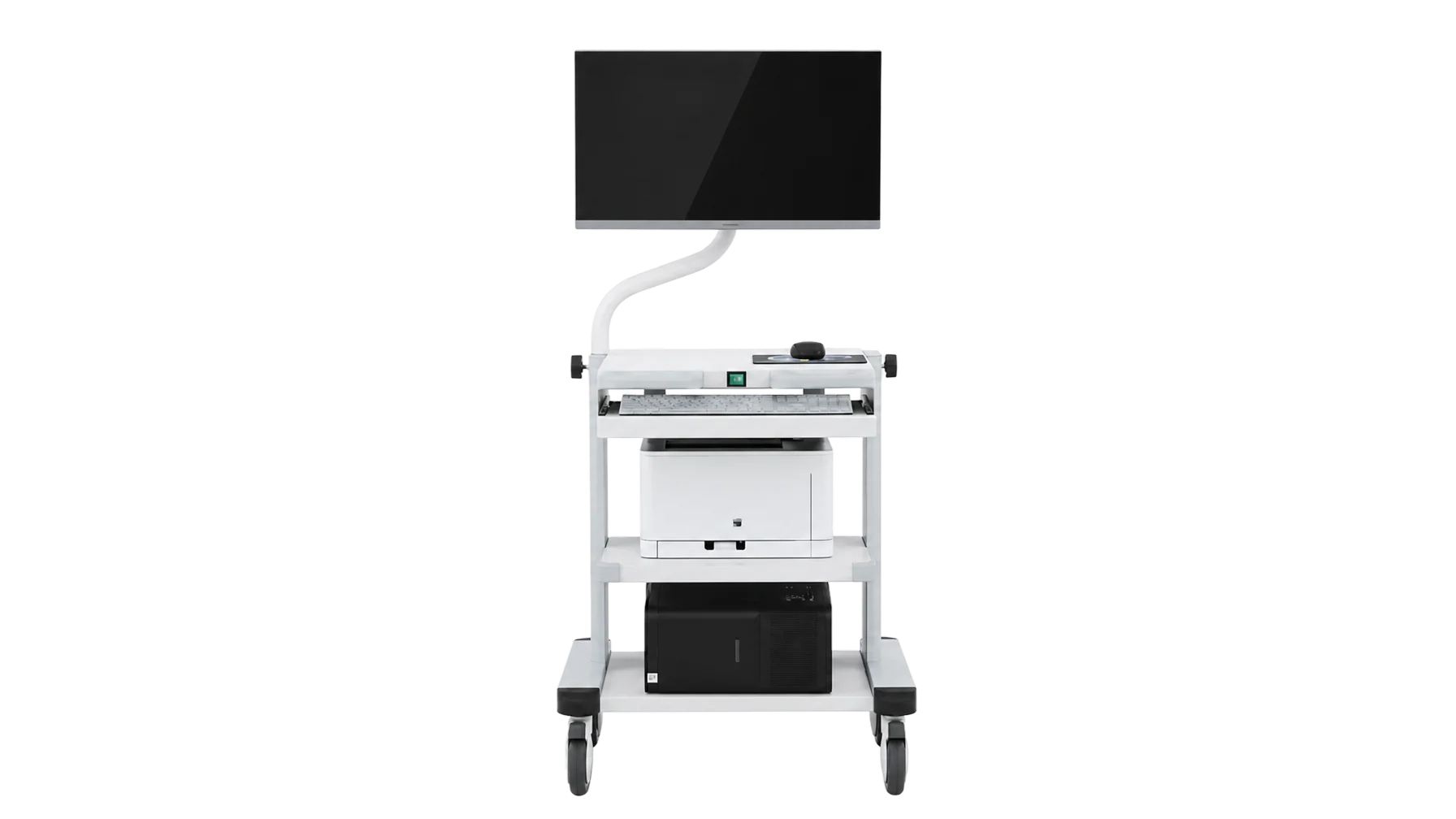
  • NCS / EMGNerve conduction studiesNerves in the arms, legs, and face are safely stimulated electrically and the responses recorded, establishing whether peripheral nerve damage is present and how severe it is.
  • EPEvoked potential testBy safely stimulating the visual and auditory pathways electrically, damage to the cranial nerves can be identified.
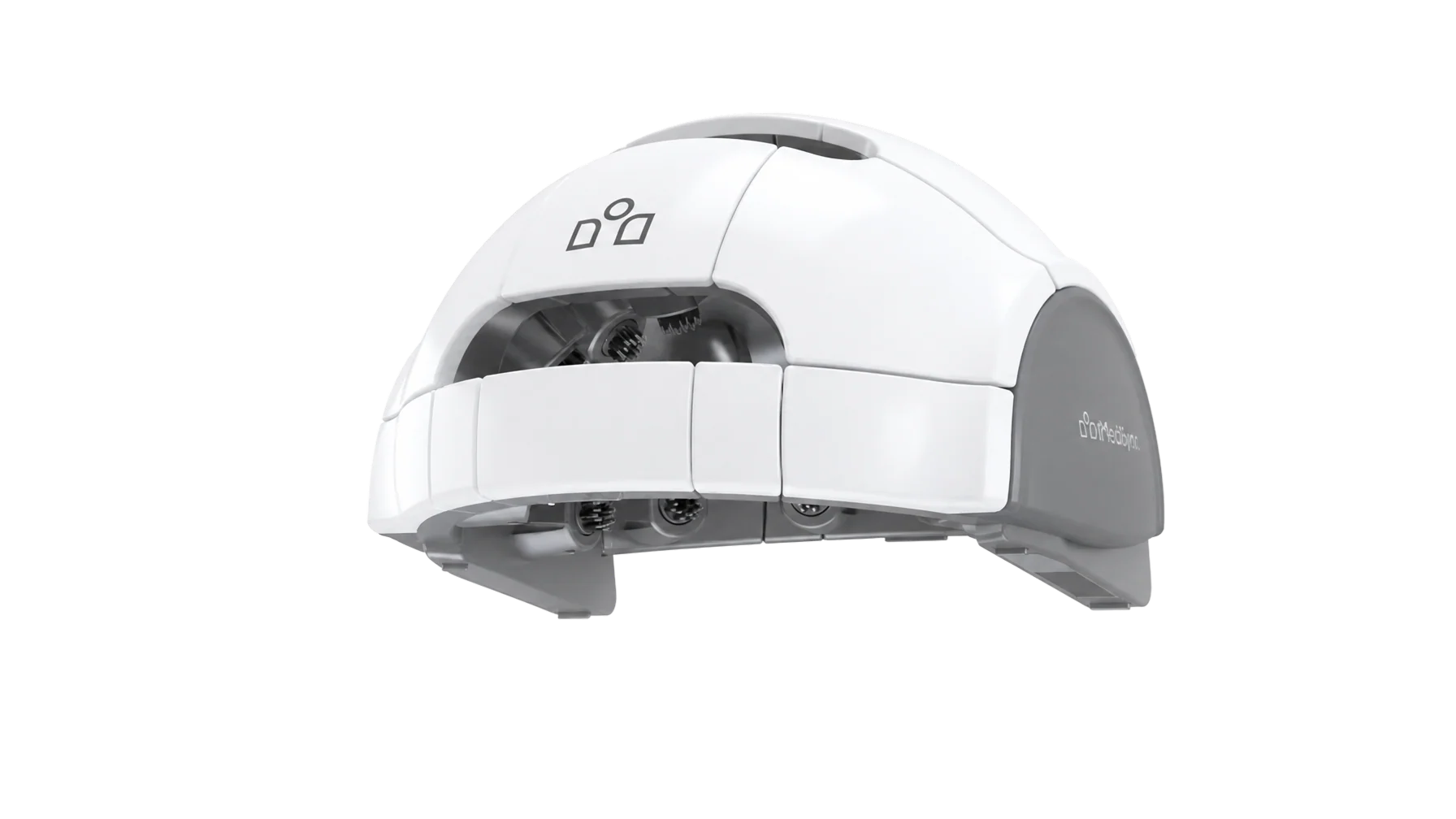
  • EEGAI digital EEGBeyond the conventional identification of epileptiform waveforms, quantitative EEG with the latest AI software aids in assessing brain function in headache, anxiety, and depression.
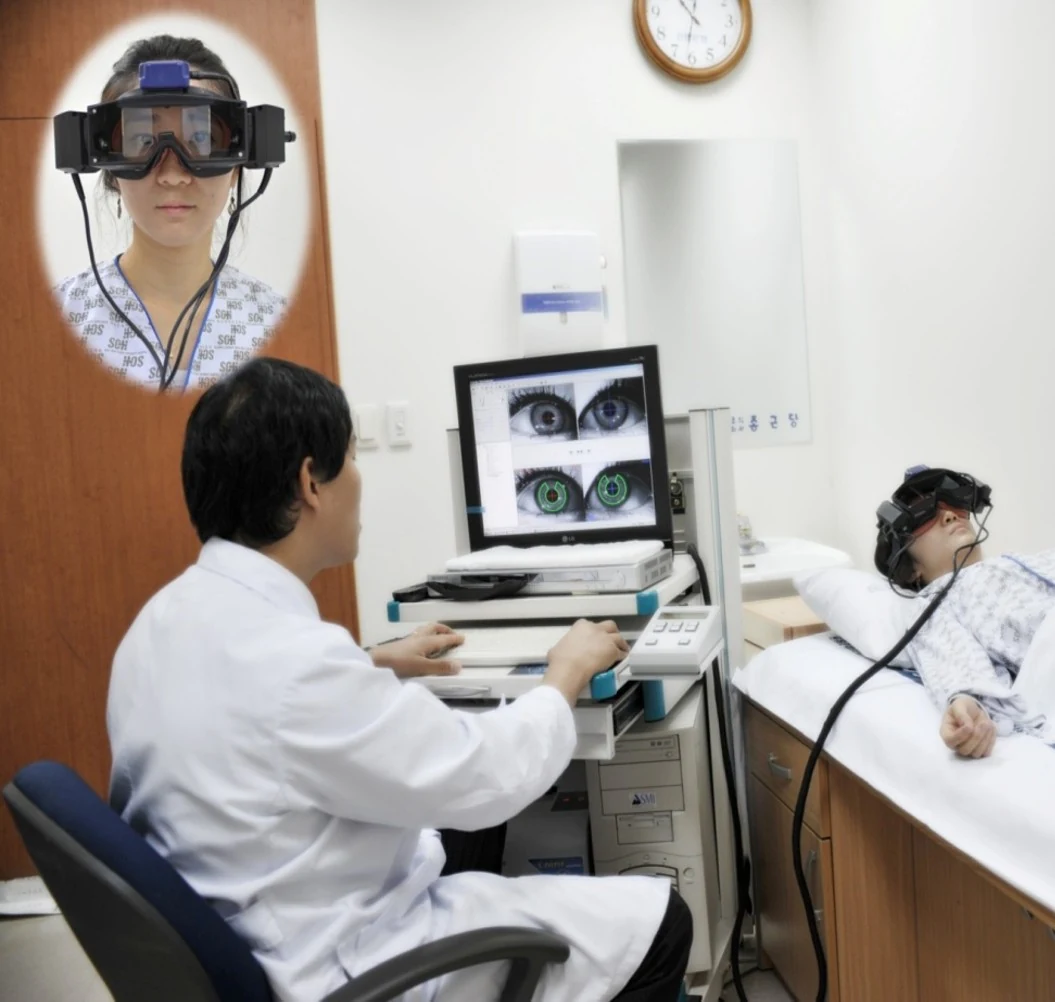
  • VNGVideo nystagmographyBy recording and analyzing involuntary eye movement on video, this test is useful for distinguishing dizziness disorders such as BPPV and Meniere's disease.
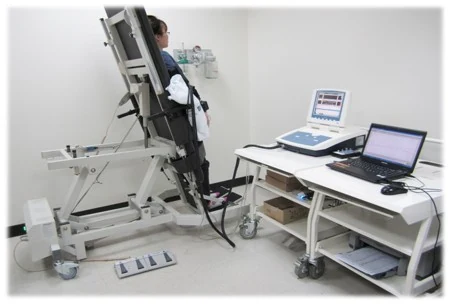
  • HRV / SSRAutonomic Function TestEquipment that objectively assesses the balance between the body's sympathetic and parasympathetic nerves.
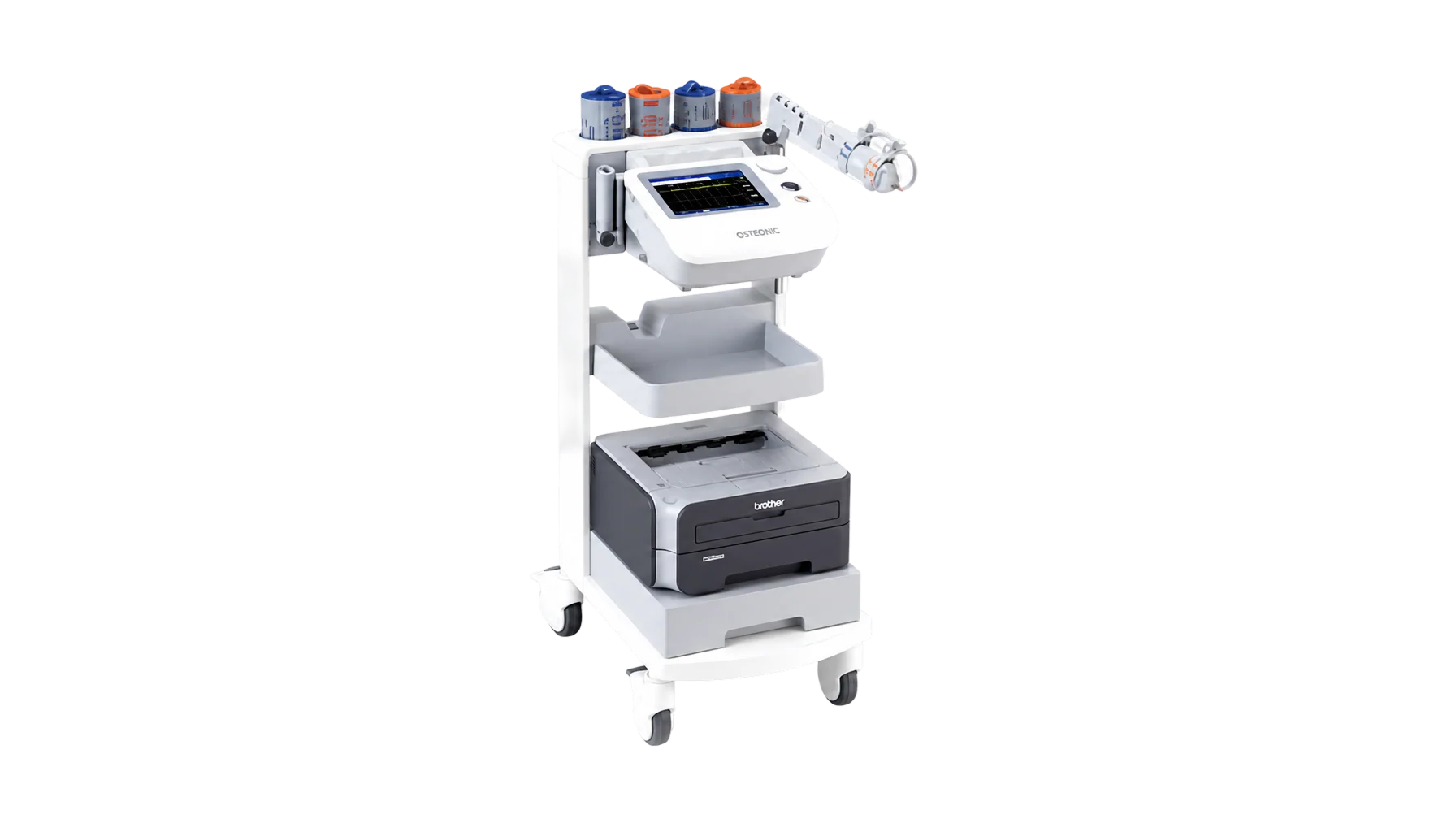
  • PWV / ABIArterial elasticity testingBy measuring vessel elasticity and the degree of atherosclerosis, it readily assesses the risk of circulatory disturbance and cardiovascular or cerebrovascular disease.
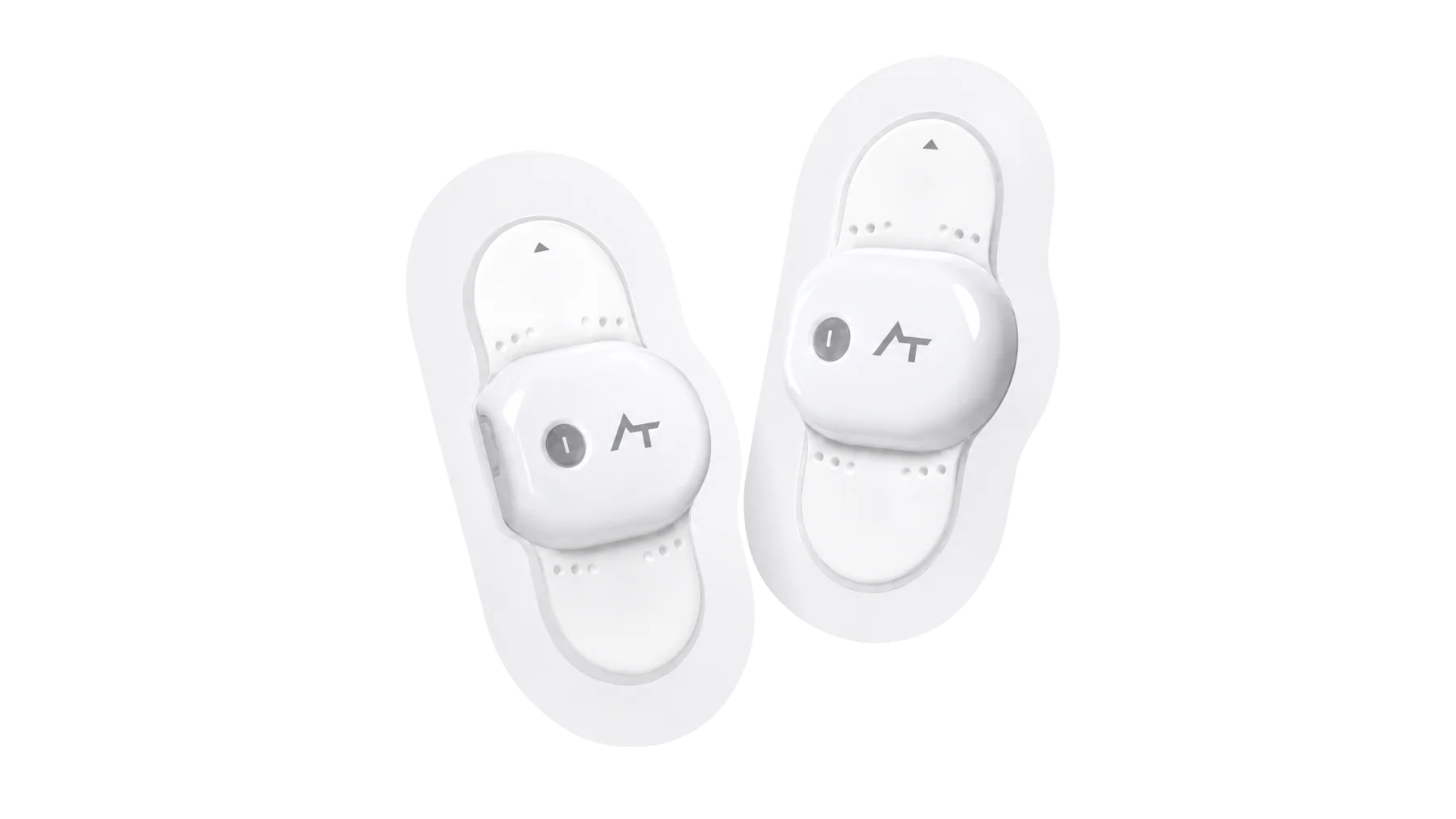
  • Wearable ECG/BPWearable cardiac function testingA micro-sensor continuously analyzes blood pressure and ECG over 24 hours to identify cardiac dysfunction capable of causing a stroke.
  • SNSB / CERADNeuropsychological testingIt distinguishes simple forgetfulness from dementia and objectively evaluates cognitive function including memory.
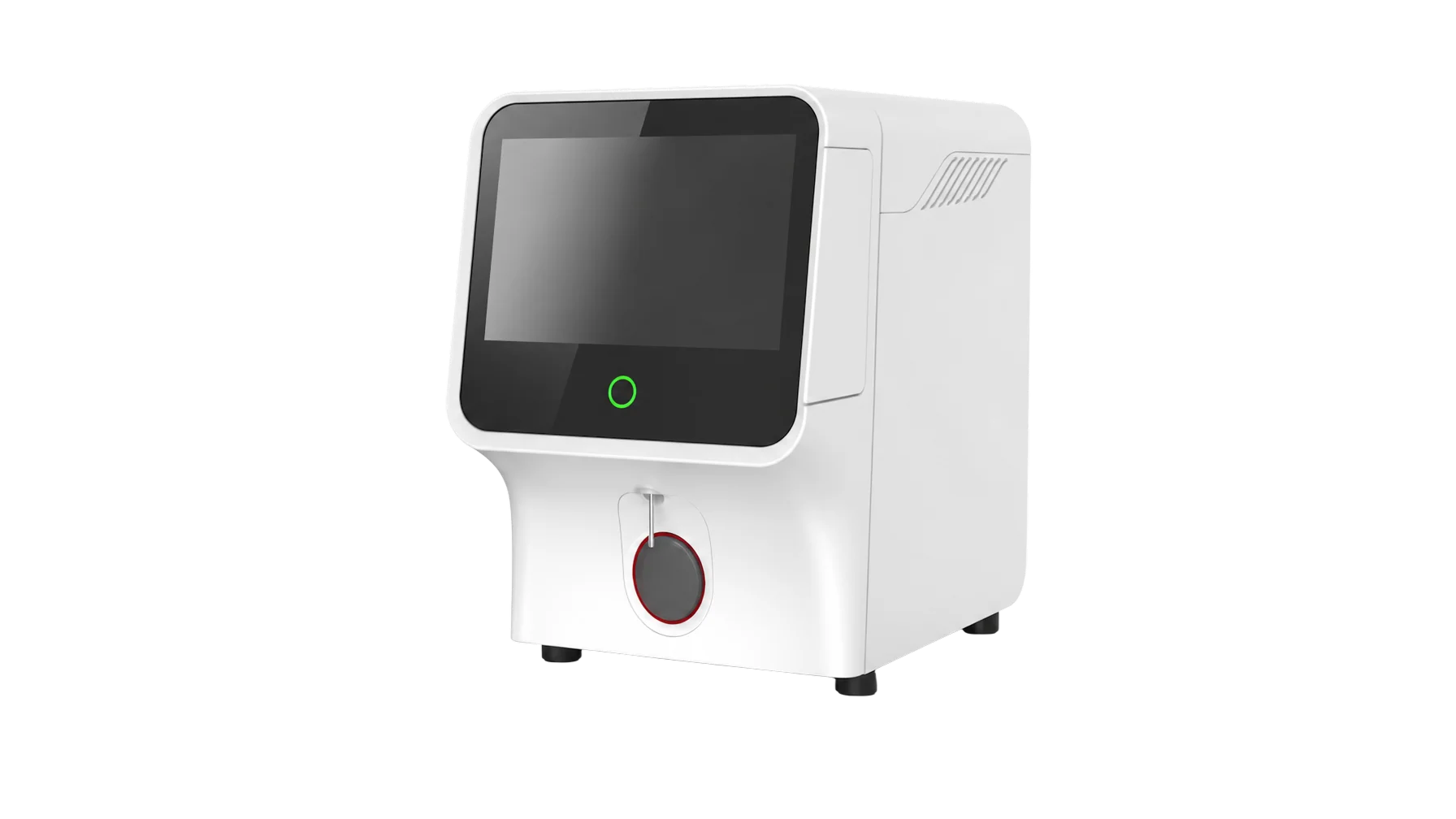
  • LABBlood and genetic testingWe identify risk factors for cardiovascular and cerebrovascular disease, including dyslipidemia, and look for high-risk dementia genes in advance so that prevention can begin.