Migraine
Migraine — what kind of condition is it?
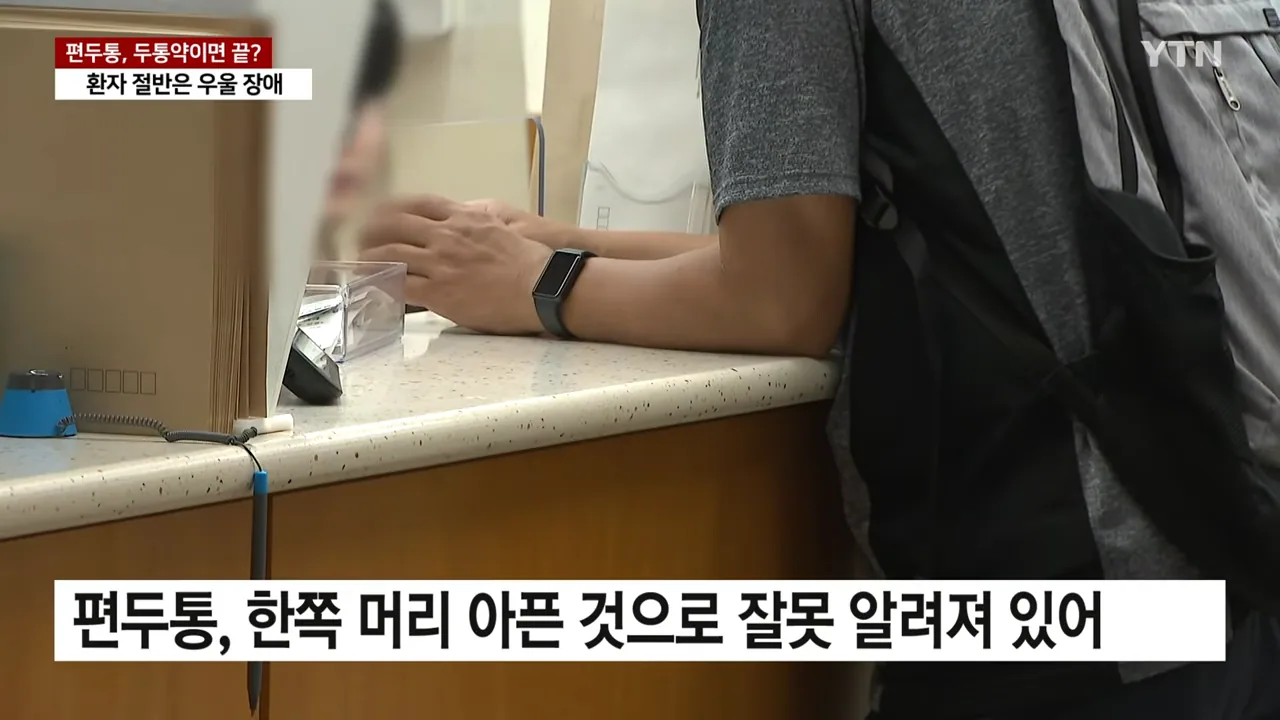
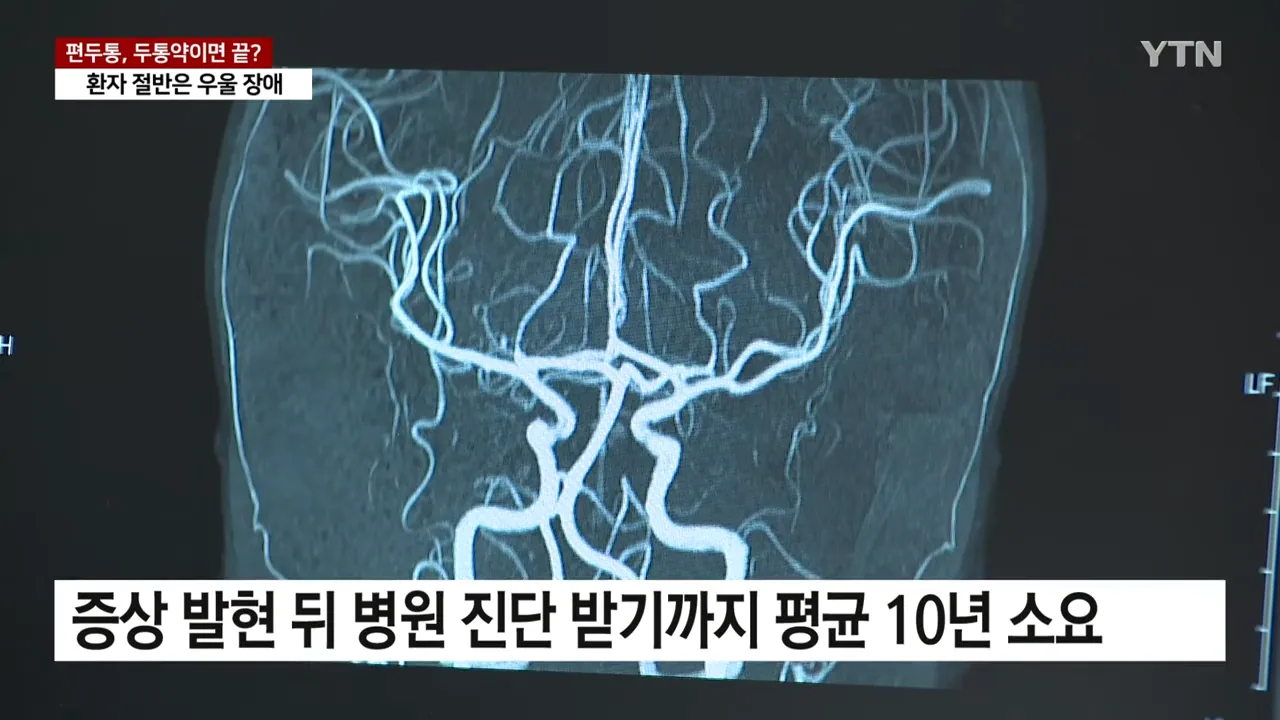
Source : YTN News · Graph data: Korean Headache Society
Milder migraines are easy to brush aside as "probably just stress" or "maybe I didn't sleep enough." In practice many patients get by on painkillers for years, seeking care only once the pain worsens and begins to disrupt daily life. Alongside recurring headache attacks, concentration at school and work declines and quality of life falls markedly.
Studies in Korea and abroad have found that migraine patients wait an average of more than ten years to receive an accurate diagnosis. So rather than dismissing it as "a headache I've always had," if your headache is persistent or recurring, the best course is to be assessed by a neurologist.
How much is my headache disrupting daily life?
Complete the questionnaire below and bring it to your appointment; together we will review the impact of your headache on daily life as an objective score.
Assessment of headache impact
Never 6 · Rarely 8 · Sometimes 10 · Very often 11 · Always 13
01When you have a headache, how often is the pain severe?
02How often do headaches limit your ability to do usual daily activities such as household work, work, school, or social activities?
03When you have a headache, how often do you wish you could lie down?
04In the past 4 weeks, how often did headaches leave you too tired to do work or daily activities?
05In the past 4 weeks, how often did headaches make you feel irritable?
06In the past 4 weeks, how often did headaches make it difficult to concentrate on work or daily activities?
Assessment of migraine-related disability
01Over the past 3 months, because of headache, at school or work
- How many days were you absent from work or school?
- How many days did you attend work or school but your productivity was reduced by half or more?
02Over the past 3 months, because of headache, at home
- How many days were you completely unable to do household work?
- How many days did you do household work but your productivity was reduced by half or more?
03Over the past 3 months, because of headache
- How many days were you unable to take part in family, social, or leisure activities?
Check the main symptoms of migraine
| Throbbing headache | A throbbing, pulsating headache |
|---|---|
| With dizziness and nausea | Headache with dizziness, nausea, and queasiness |
| Warning signs | Flashes or zigzag blurring in the visual field before the headache |
| Sensitive to light, sound, and smell | Marked sensitivity to light, sound, and smell along with the headache |
| Worse with movement | The headache worsens with movement, so you want to stay still |
| Triggers | Sensitive to stress, lack of sleep, and changes in the menstrual cycle |
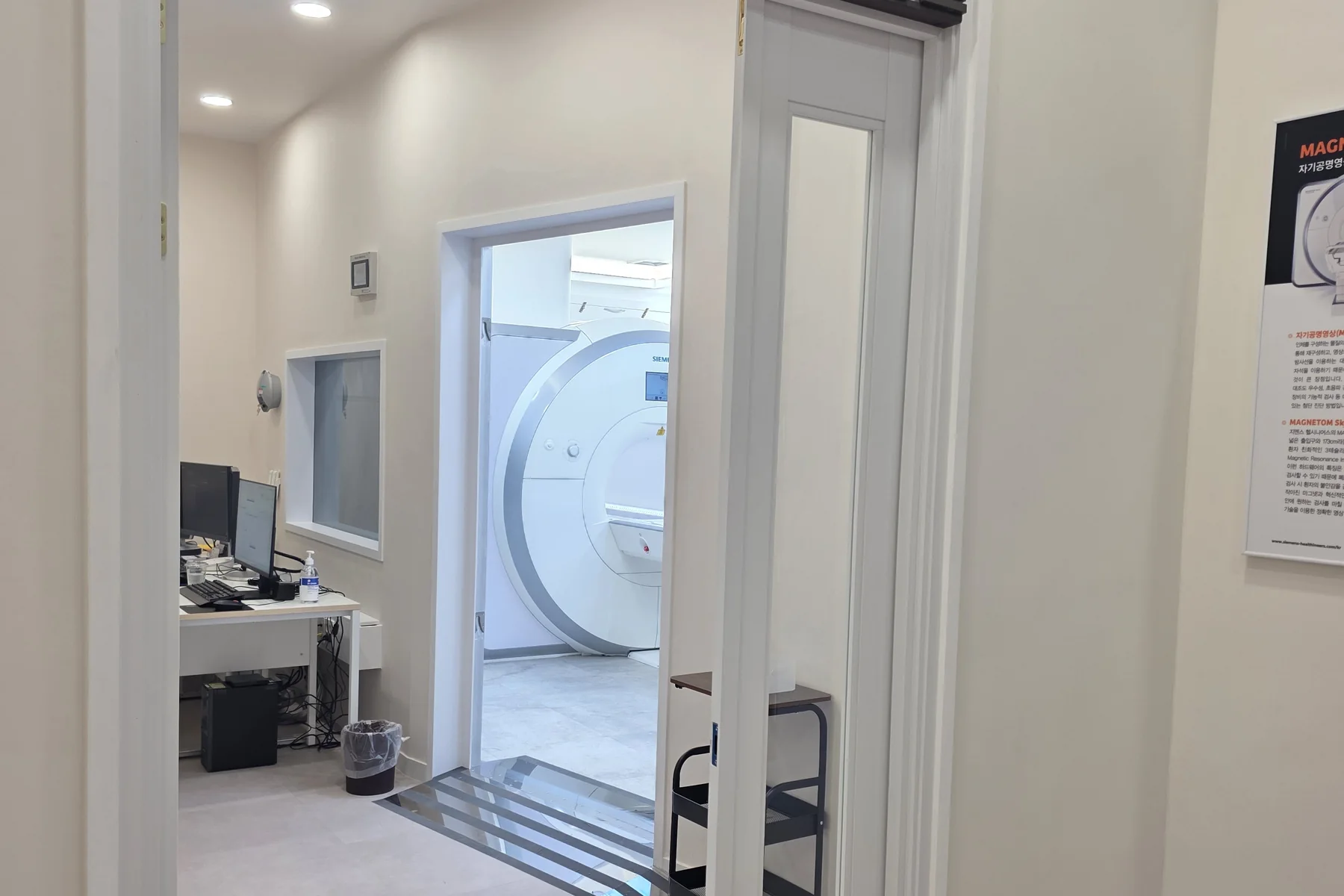
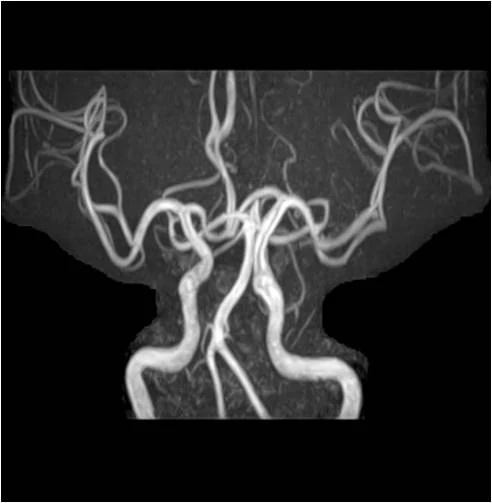
The more of the above that apply, the more likely a typical migraine. When the headache is severe enough to limit daily life but does not fit the typical migraine pattern, there may be a headache caused by a structural abnormality of the brain. In such cases, imaging such as brain MRI or MRA may be required.
Migraine treatments at Centum Neurology Clinic
| Anti-CGRP therapy | A recently developed agent, highly effective in preventing moderate to severe migraine |
|---|---|
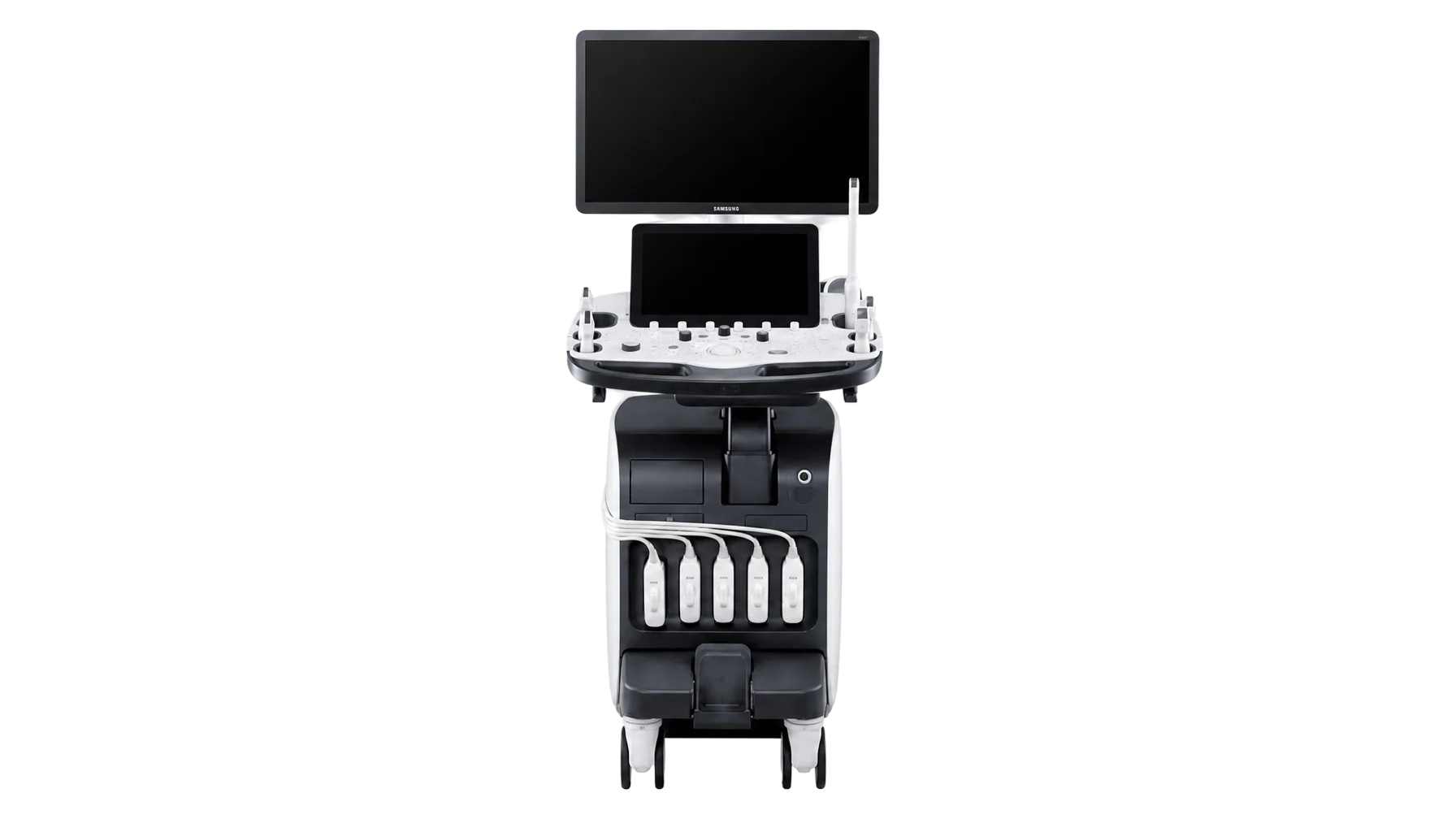
| Ultrasound-guided nerve block | We treat the nerve generating the pain to relieve acute symptoms |
| Cervical nerve and muscle treatment | Performed to treat the accompanying cervical abnormality and nerve root |
| Botulinum toxin for headache | An option for patients with chronic migraine that may reduce headache frequency |
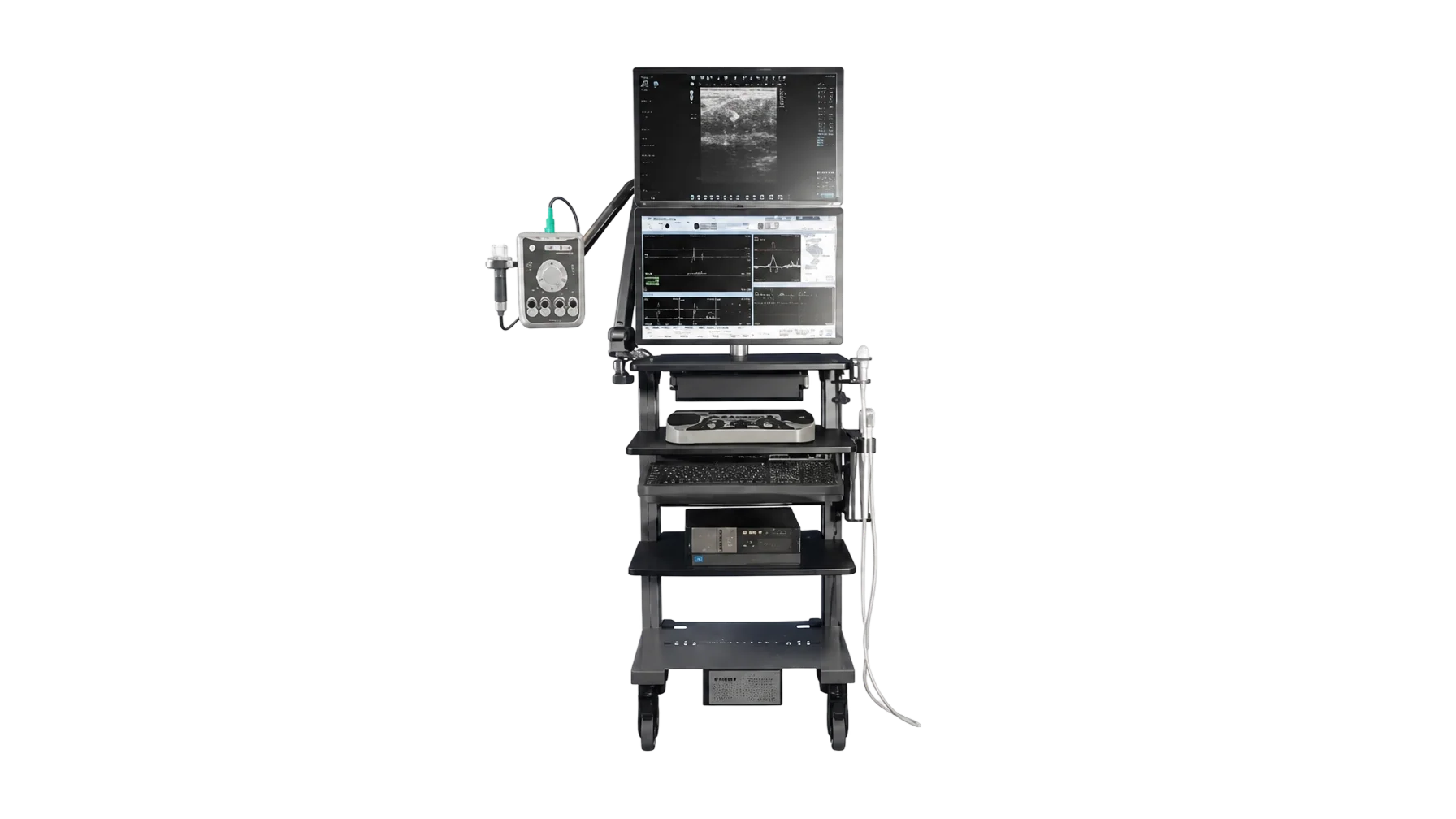
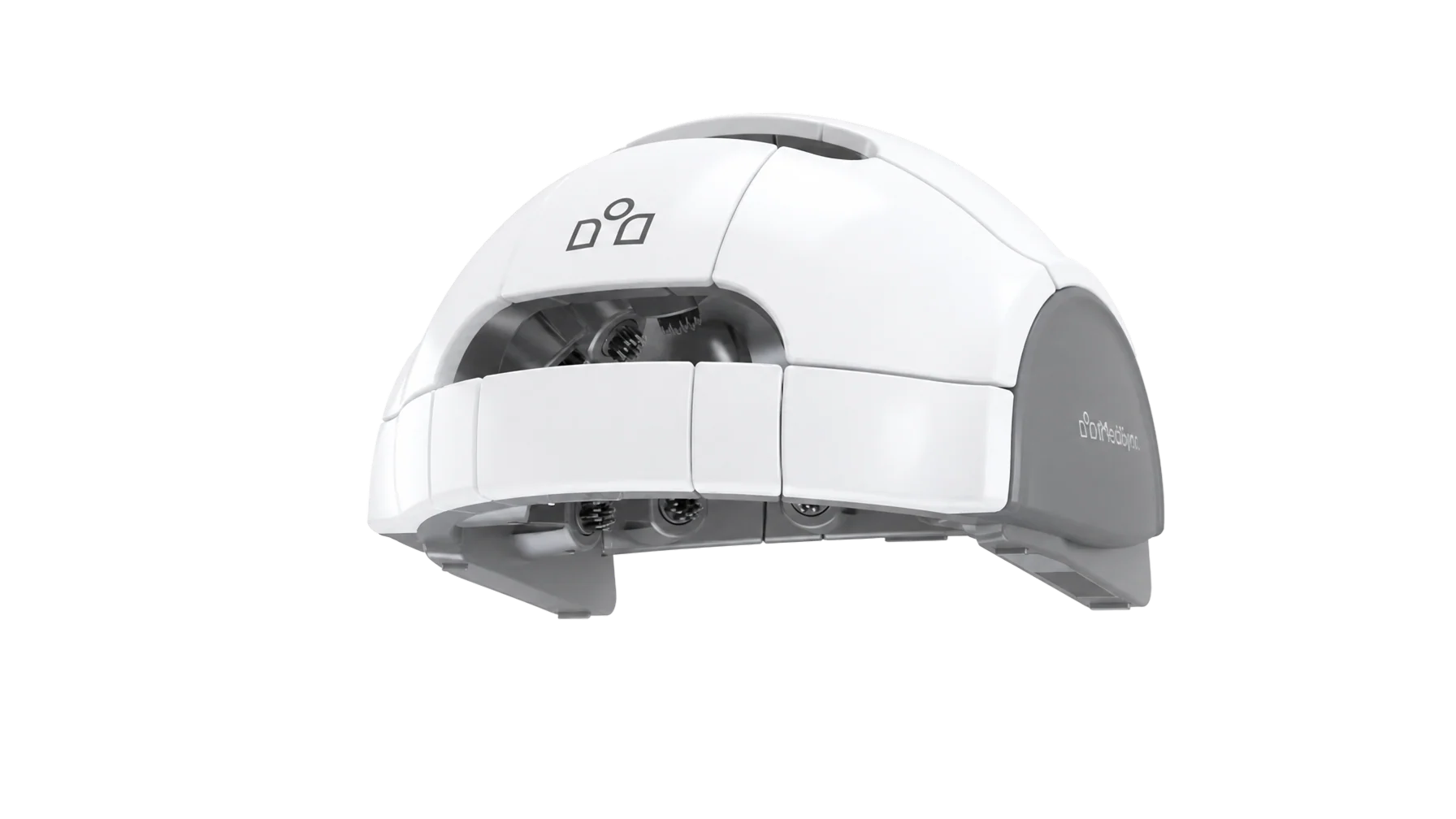
| Transcranial magnetic stimulation (TMS) | A new option for patients with chronic headache unresponsive to medication |
※ This is general medical information provided for understanding only. Actual diagnosis and treatment are determined by a specialist after examination, based on the individual patient's condition.