Sleep screening

Sleep screening — the problem is not the snoring but the pauses in breathing
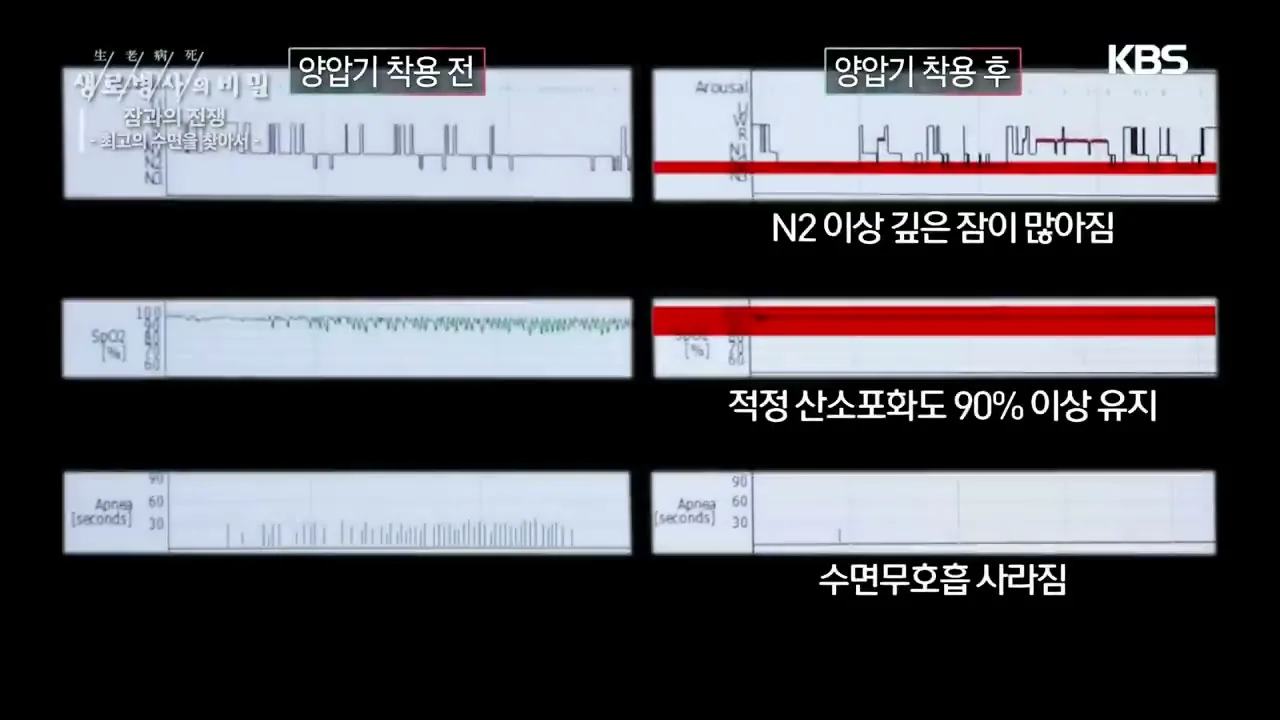
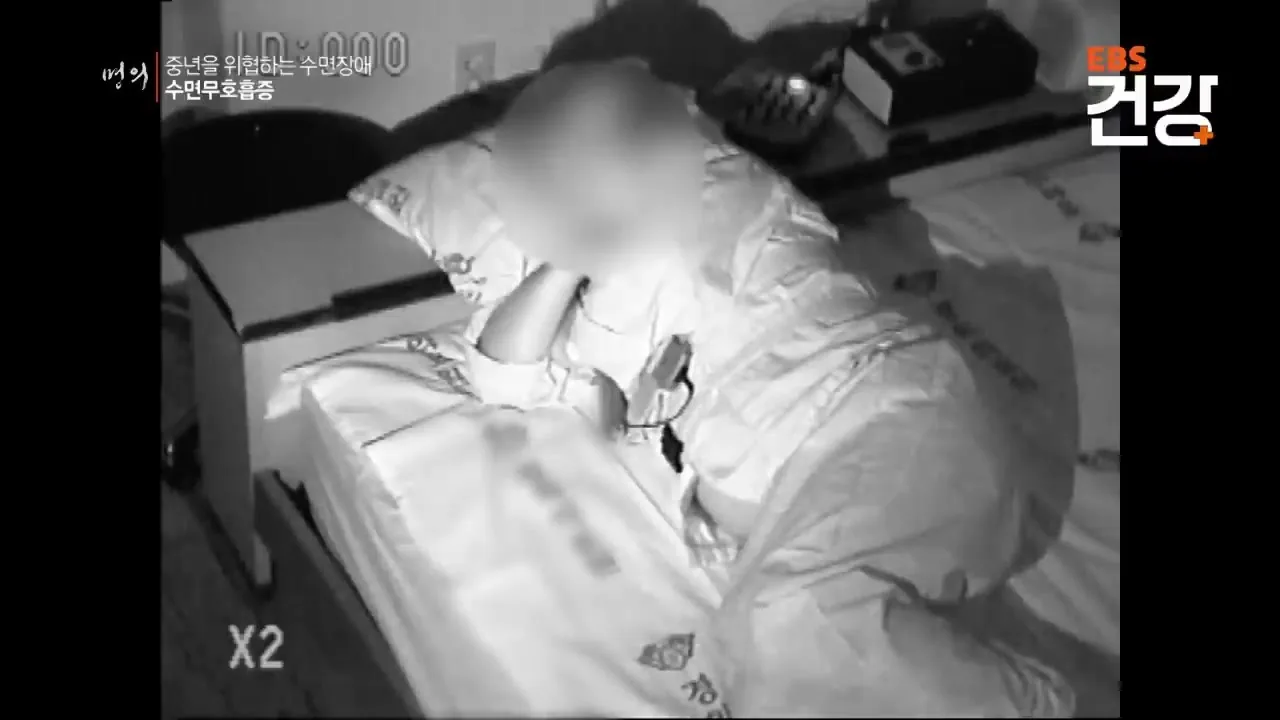
Sleep screening — the problem is not the snoring but the pauses in breathing — Source: KBS 1TV "The Secret of Life and Death"

Source : KBS 1TV "The Secret of Life and Death"

When the airway at the back of the throat narrows or closes during sleep, breathing repeatedly stops. Without the person's awareness, oxygen falls through the night and sleep becomes shallow.

As a result you wake unrefreshed and feel sleepy during the day, and the risk of hypertension, arrhythmia, and stroke rises as well.

Polysomnography records EEG, respiration, oxygen saturation, and leg movement together over a single night, quantifying how many times, for how long, and in which sleep stage the apneas occur.

When symptoms and test results meet the criteria, national health insurance applies; CPAP therapy eliminates the apneas, restoring both deep sleep and oxygen saturation. If daytime sleepiness keeps recurring, do not put off finding out why.

What this screening can reveal

We interpret the pattern of an entire night, not a single number — not only the count of apneas, but oxygen desaturation, the architecture of sleep stages, and leg movements as well.
  • Presence and severity of sleep apnea (apnea-hypopnea events per hour)
  • How far and how often oxygen saturation falls during sleep
  • The architecture of sleep stages and the proportion of deep sleep
  • The frequency of micro-arousals the person is unaware of
  • Quantitative measurement of snoring (episodes per night and frequency per hour)
  • Periodic limb movement disorder with twitching legs

We recommend this for

Snoring and apnea are noticed by the person sharing the bed before the patient. If any of the following applies, a single night's study can identify the cause.

  • Those who have trouble falling asleep or wake often
  • Those observed to snore heavily or stop breathing during sleep
  • Those told they stop breathing in their sleep
  • Those with morning headache who wake unrefreshed
  • Those whose daytime sleepiness interferes with daily life or driving
  • Those whose legs feel restless, making it hard to fall asleep

※ This is general medical information provided for understanding only. The actual screening items and interpretation of results are determined after consultation with a specialist.
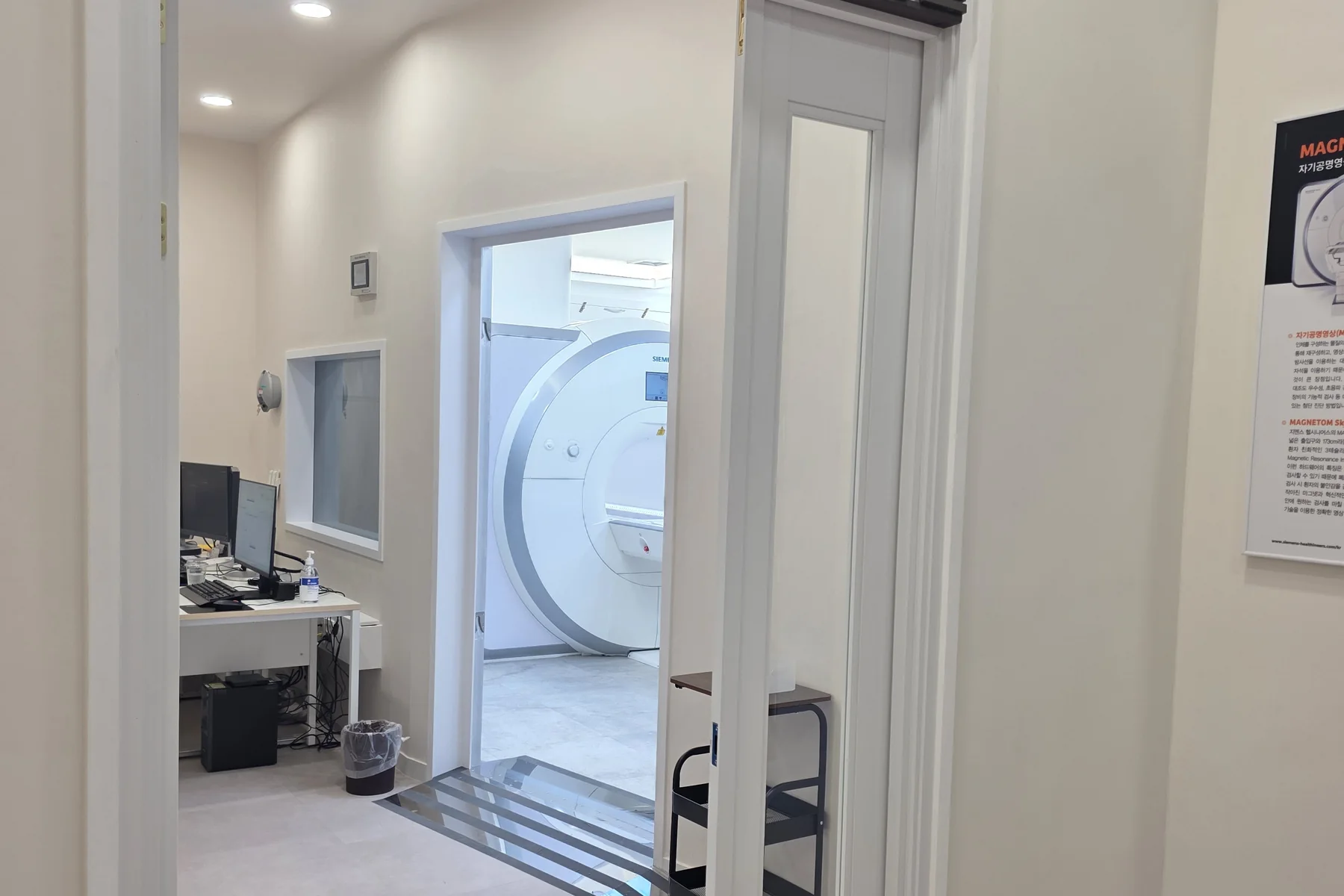
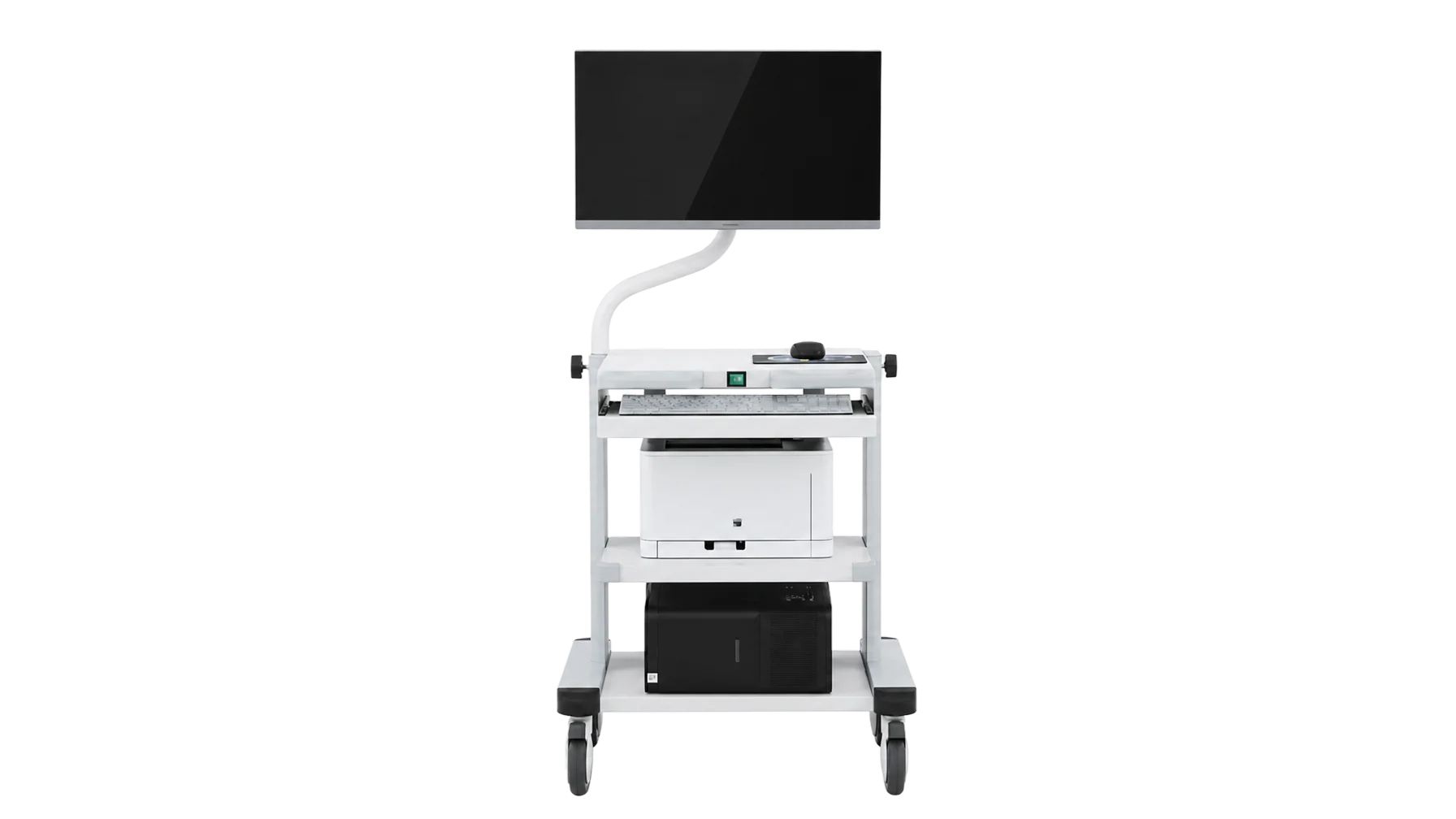
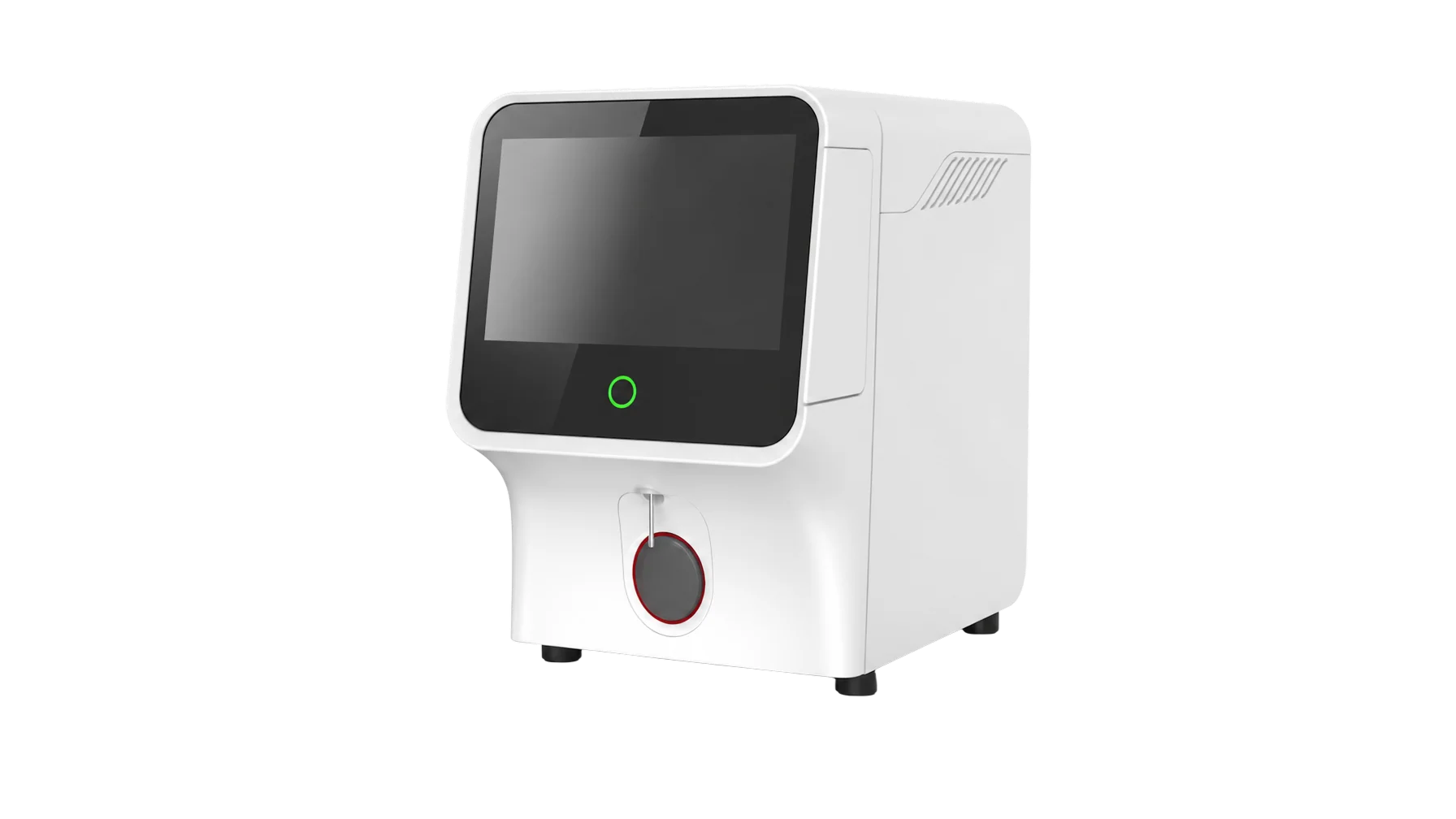
Advanced Equipment

  • SIEMENS3T AI MRIWe add AI imaging (Deep Resolve) to a proven Siemens 3T MRI to examine neurological conditions faster and more clearly.
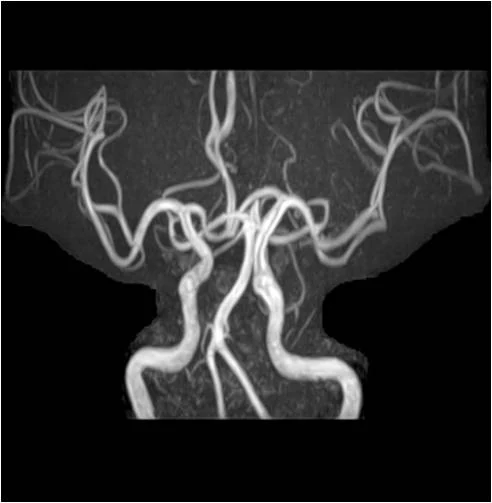
  • MRACerebrovascular and carotid MRAIt accurately evaluates the degree of atherosclerosis, stenosis, structural abnormality, and the presence of aneurysm in the vessels of the brain and neck.
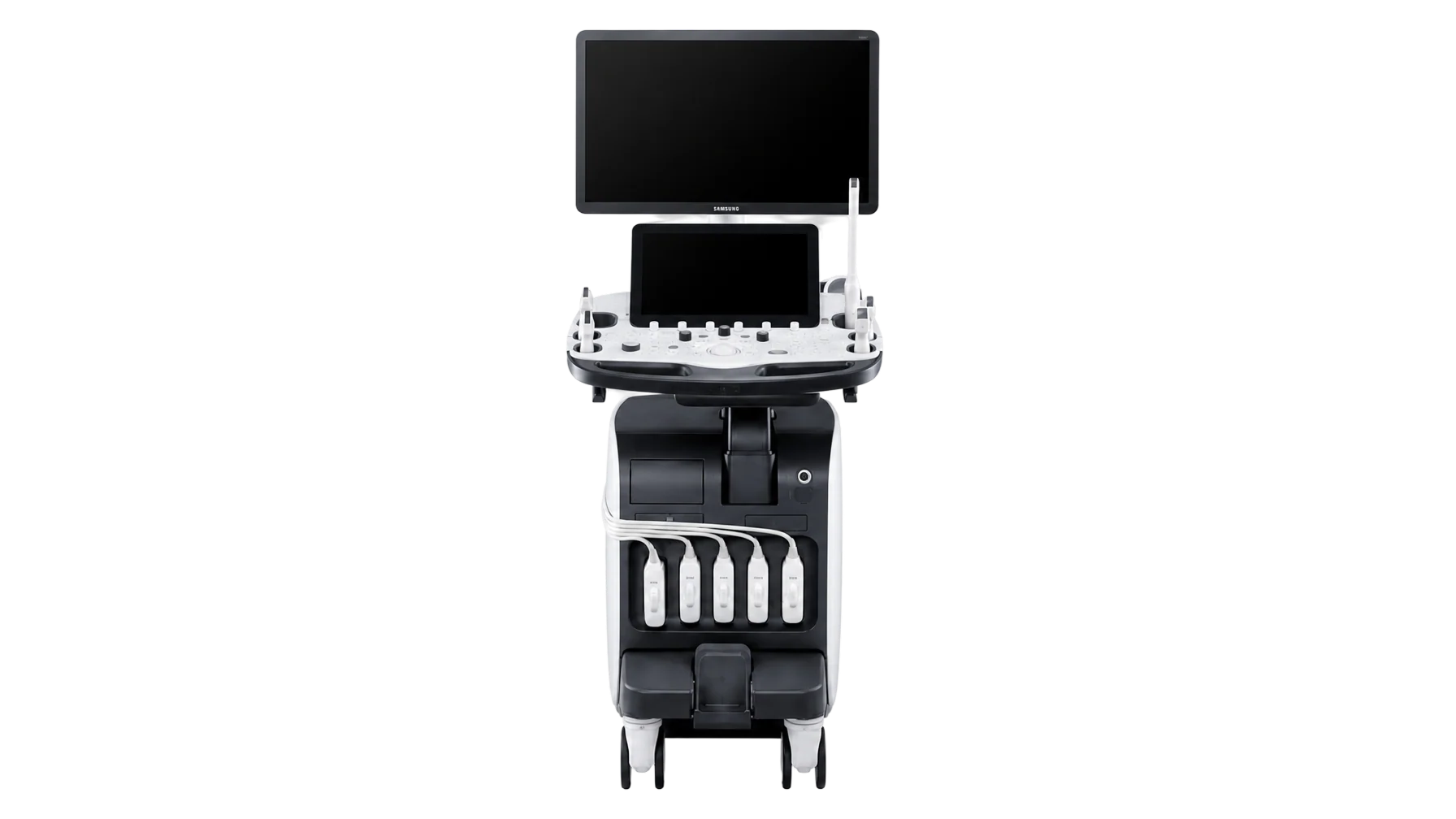
  • Carotid USCarotid UltrasoundCarotid wall thickness and plaque are examined to assess stroke risk.
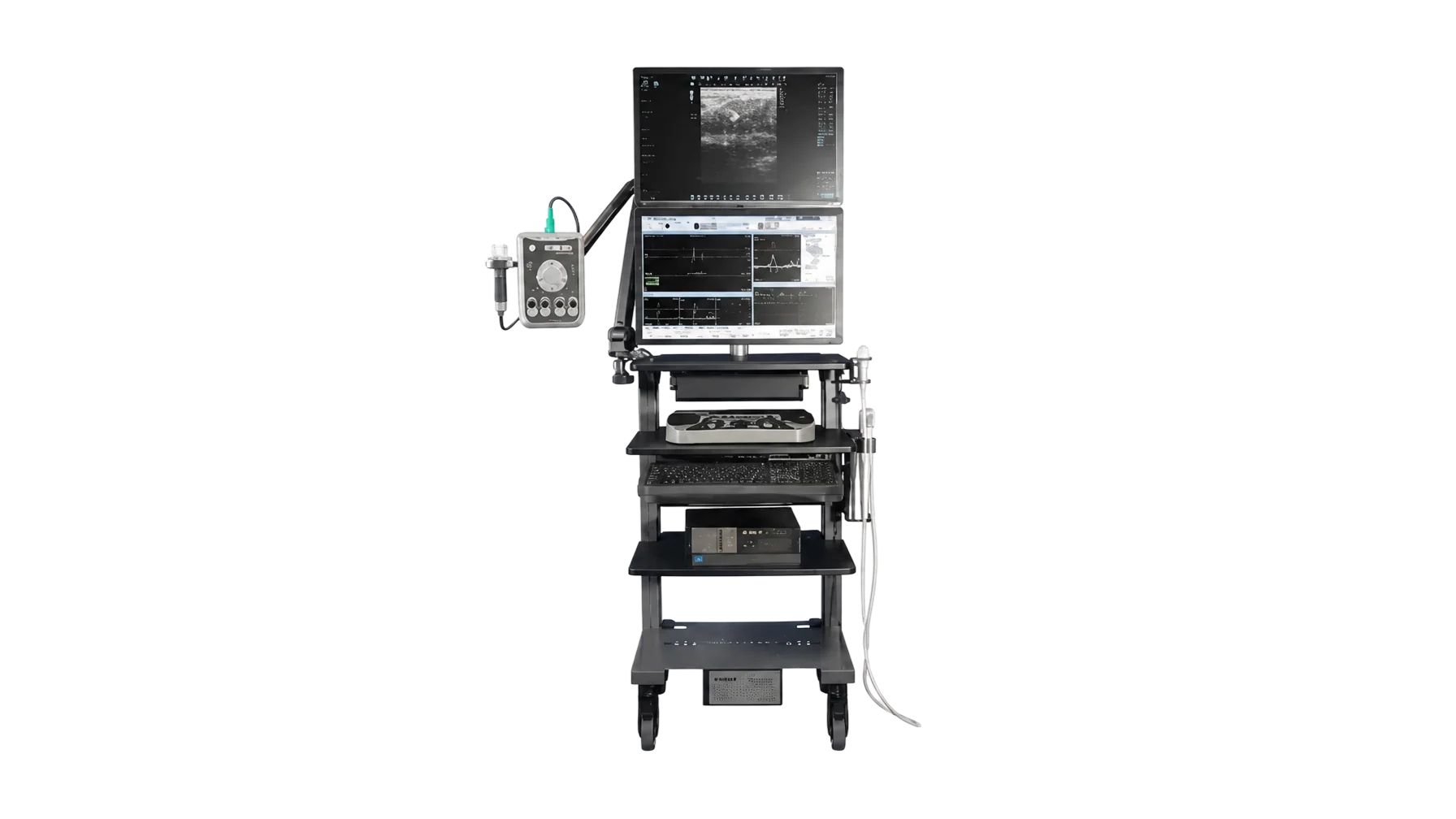
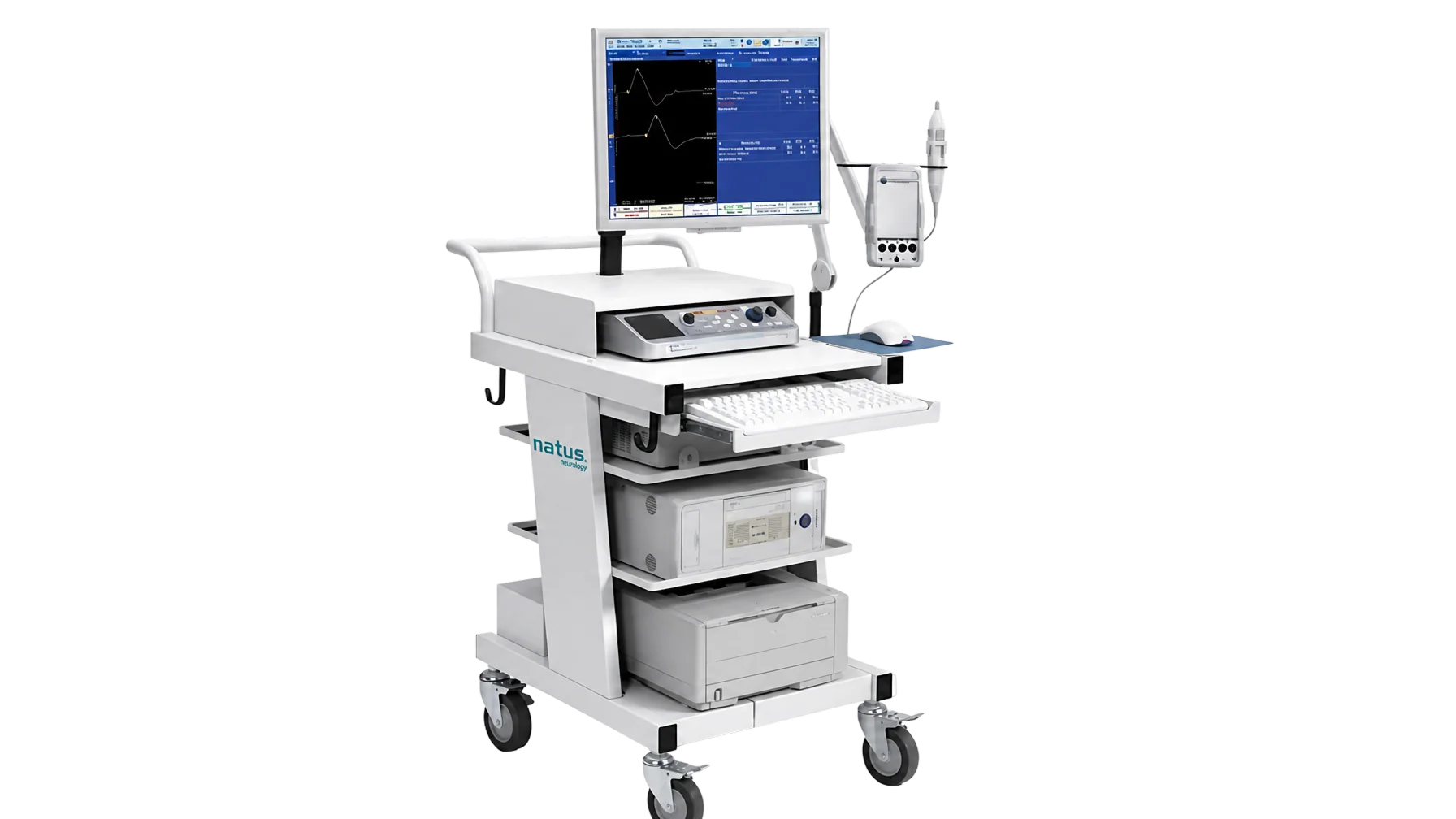
  • NCS / EMGNerve conduction studiesNerves in the arms, legs, and face are safely stimulated electrically and the responses recorded, establishing whether peripheral nerve damage is present and how severe it is.
  • EPEvoked potential testBy safely stimulating the visual and auditory pathways electrically, damage to the cranial nerves can be identified.
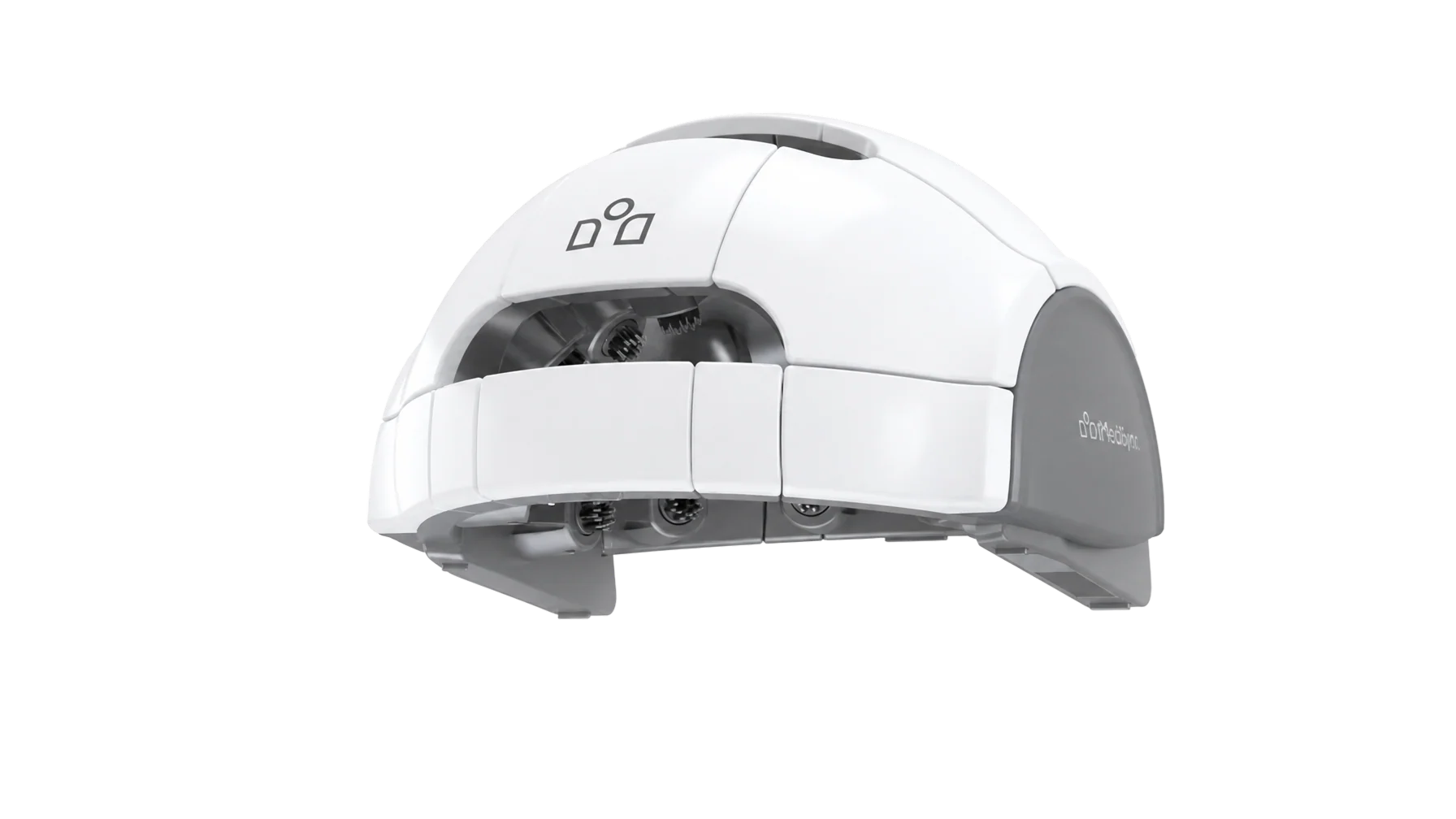
  • EEGAI digital EEGBeyond the conventional identification of epileptiform waveforms, quantitative EEG with the latest AI software aids in assessing brain function in headache, anxiety, and depression.
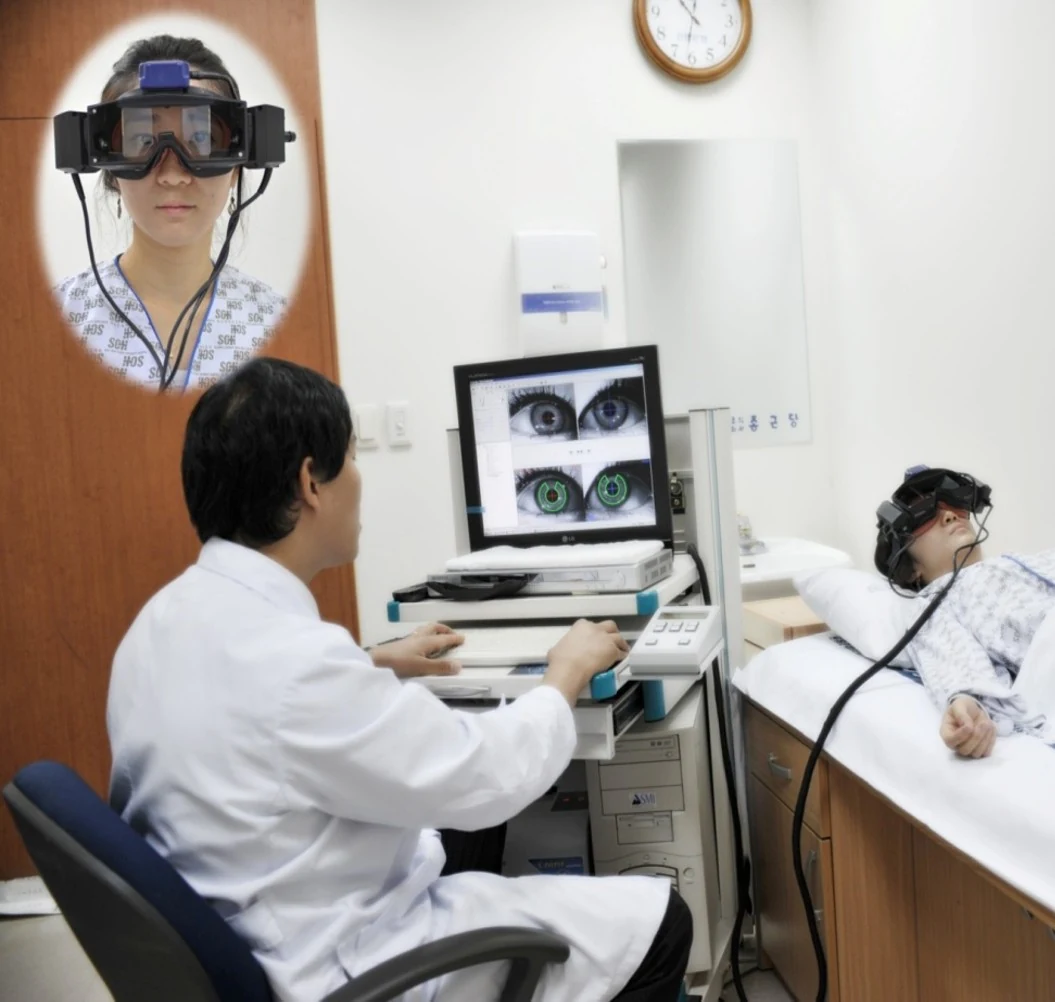
  • VNGVideo nystagmographyBy recording and analyzing involuntary eye movement on video, this test is useful for distinguishing dizziness disorders such as BPPV and Meniere's disease.
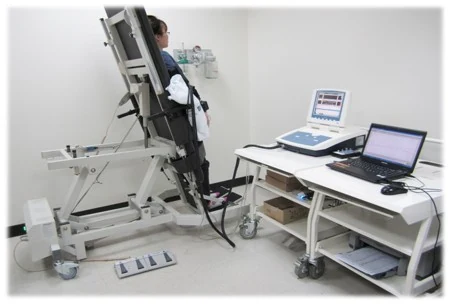
  • HRV / SSRAutonomic Function TestEquipment that objectively assesses the balance between the body's sympathetic and parasympathetic nerves.
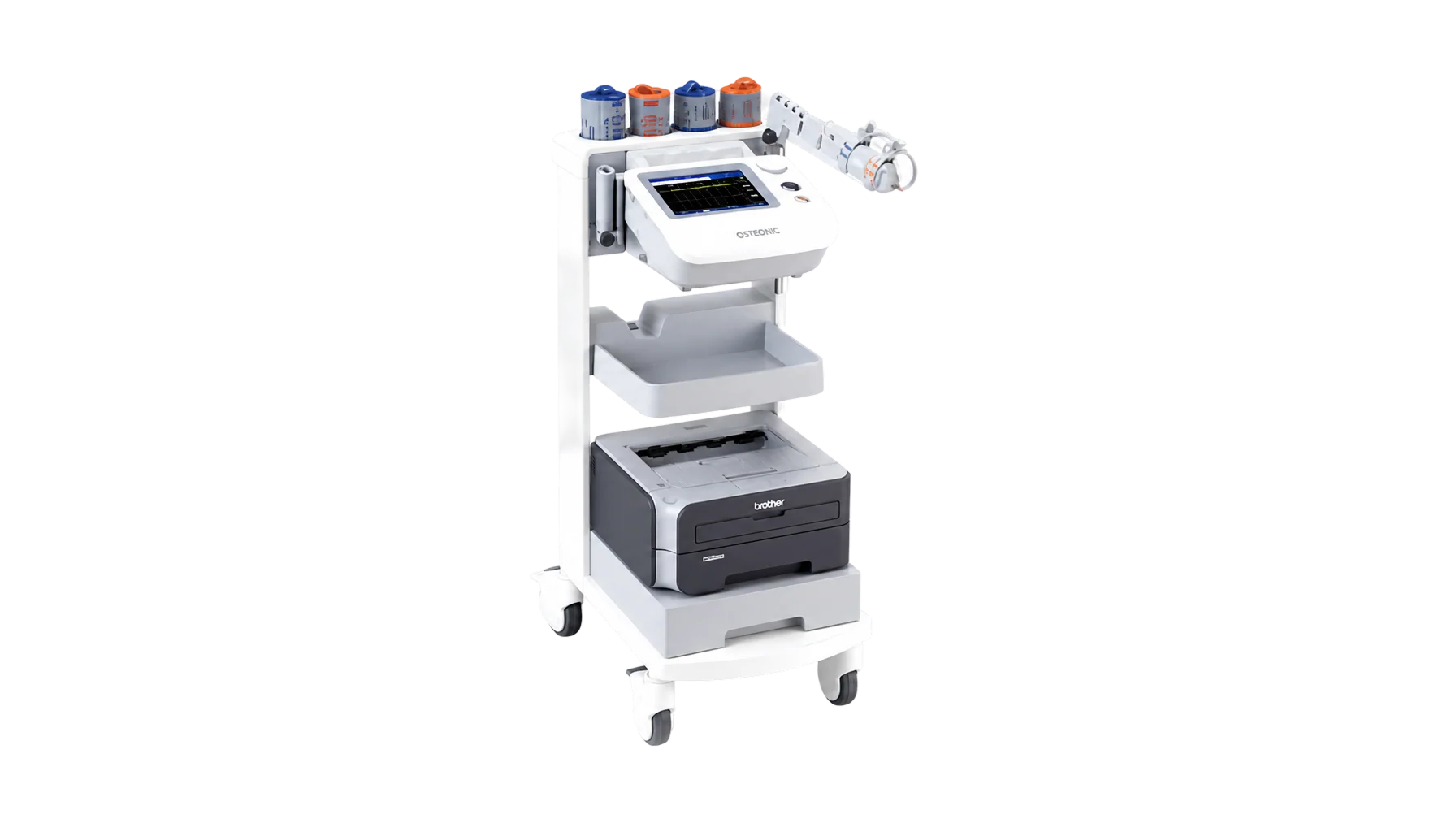
  • PWV / ABIArterial elasticity testingBy measuring vessel elasticity and the degree of atherosclerosis, it readily assesses the risk of circulatory disturbance and cardiovascular or cerebrovascular disease.
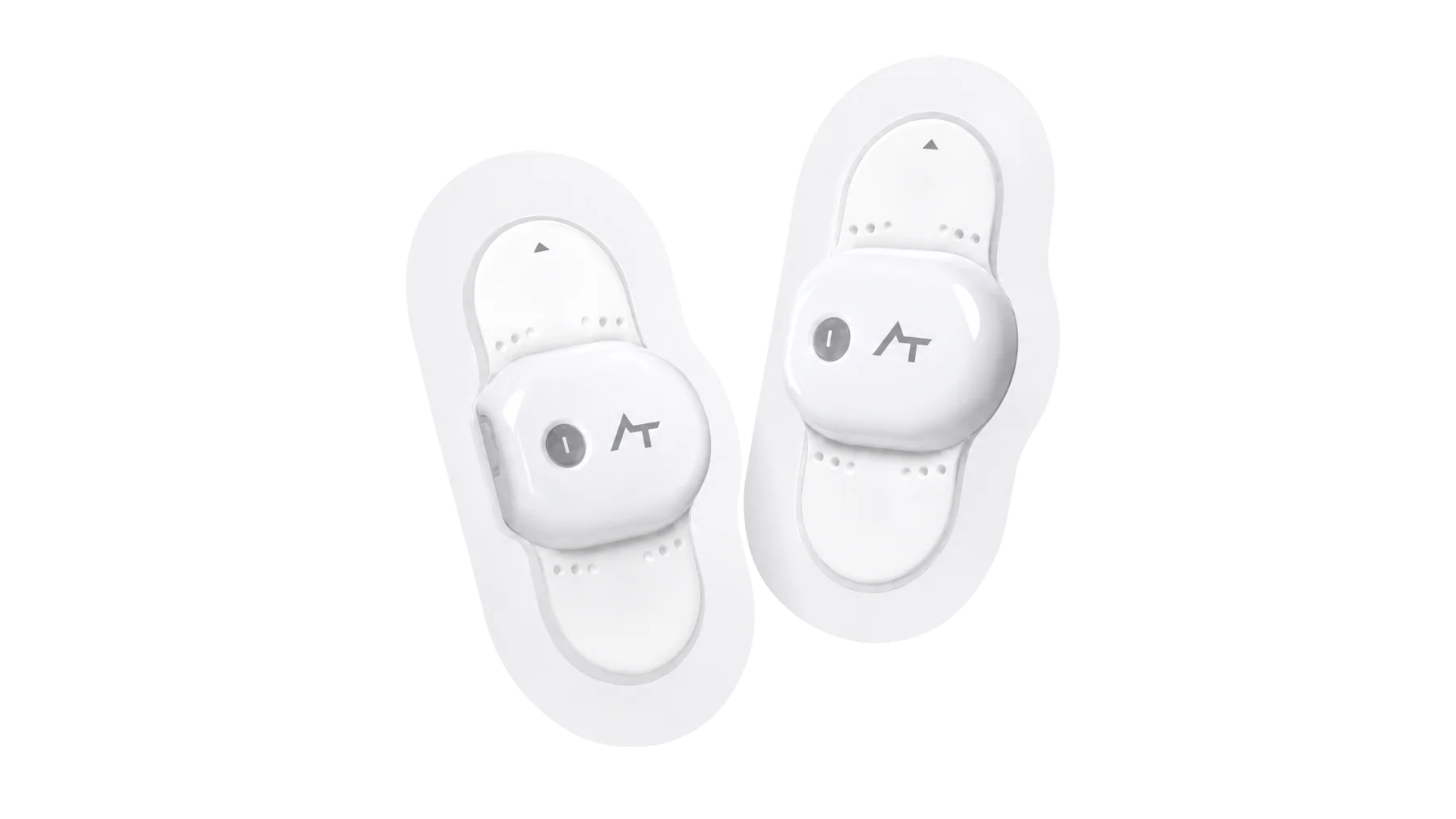
  • Wearable ECG/BPWearable cardiac function testingA micro-sensor continuously analyzes blood pressure and ECG over 24 hours to identify cardiac dysfunction capable of causing a stroke.
  • SNSB / CERADNeuropsychological testingIt distinguishes simple forgetfulness from dementia and objectively evaluates cognitive function including memory.
  • LABBlood and genetic testingWe identify risk factors for cardiovascular and cerebrovascular disease, including dyslipidemia, and look for high-risk dementia genes in advance so that prevention can begin.