Cerebral Aneurysm
Early screening is the only way to prevent a cerebral aneurysm
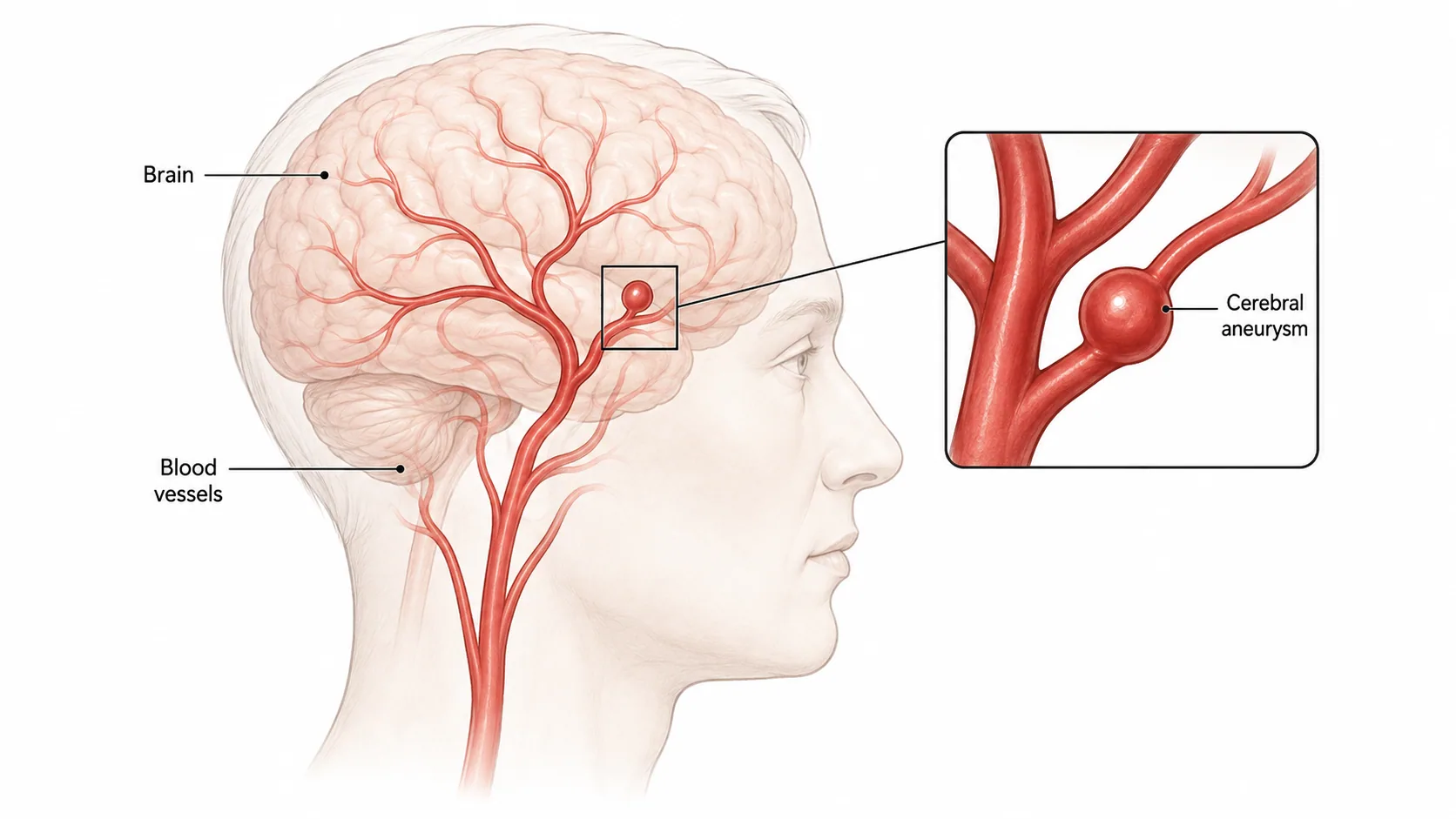
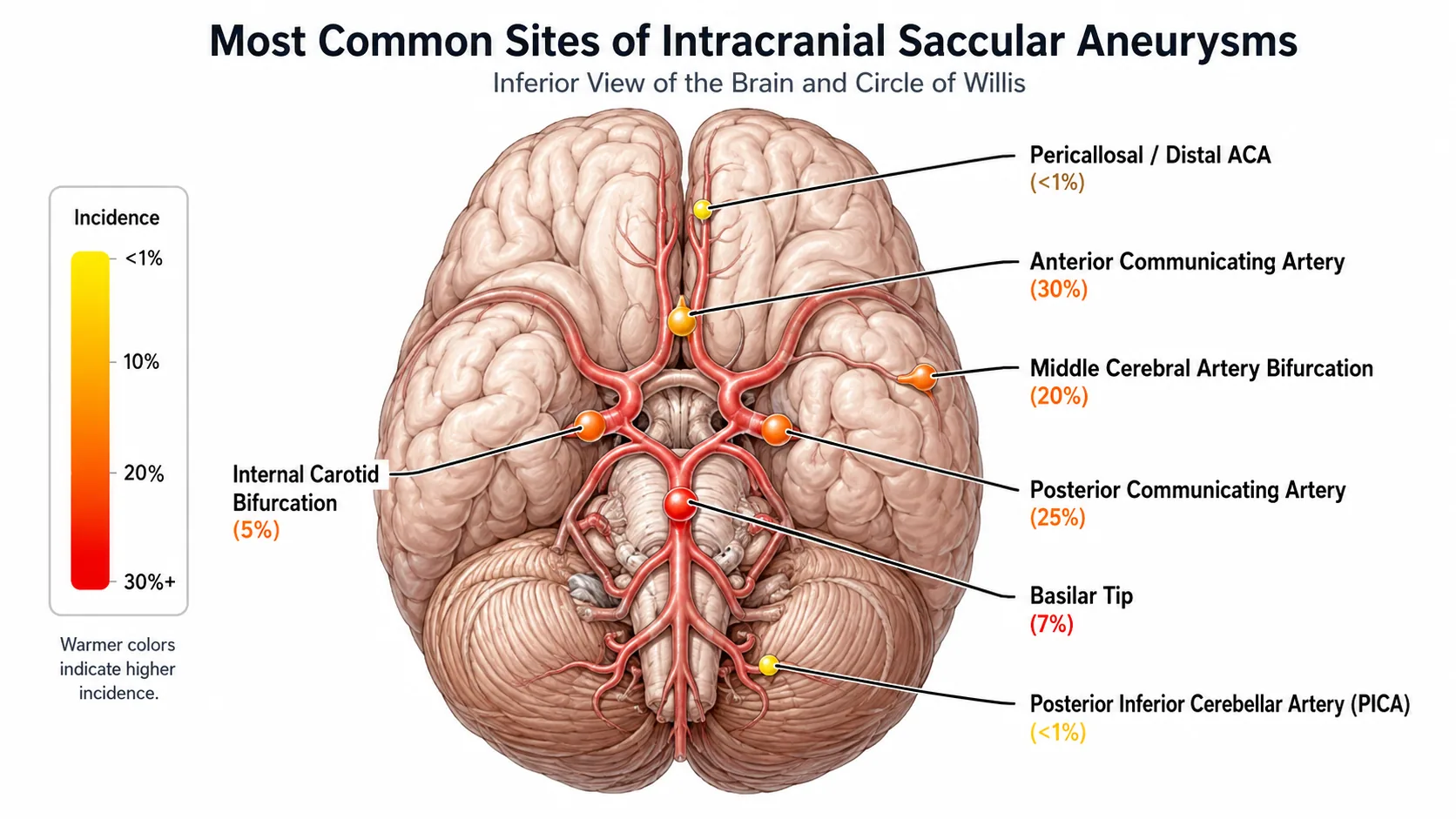
A cerebral aneurysm is a balloon-like bulge at a weak point in the wall of a brain artery. Most cause no symptoms, and rupture produces subarachnoid hemorrhage — a life-threatening form of brain bleeding. Warning signs such as severe headache can occur, but in many cases there are no symptoms before rupture. Finding it in advance is therefore the only means of prevention.
How is it screened and treated?
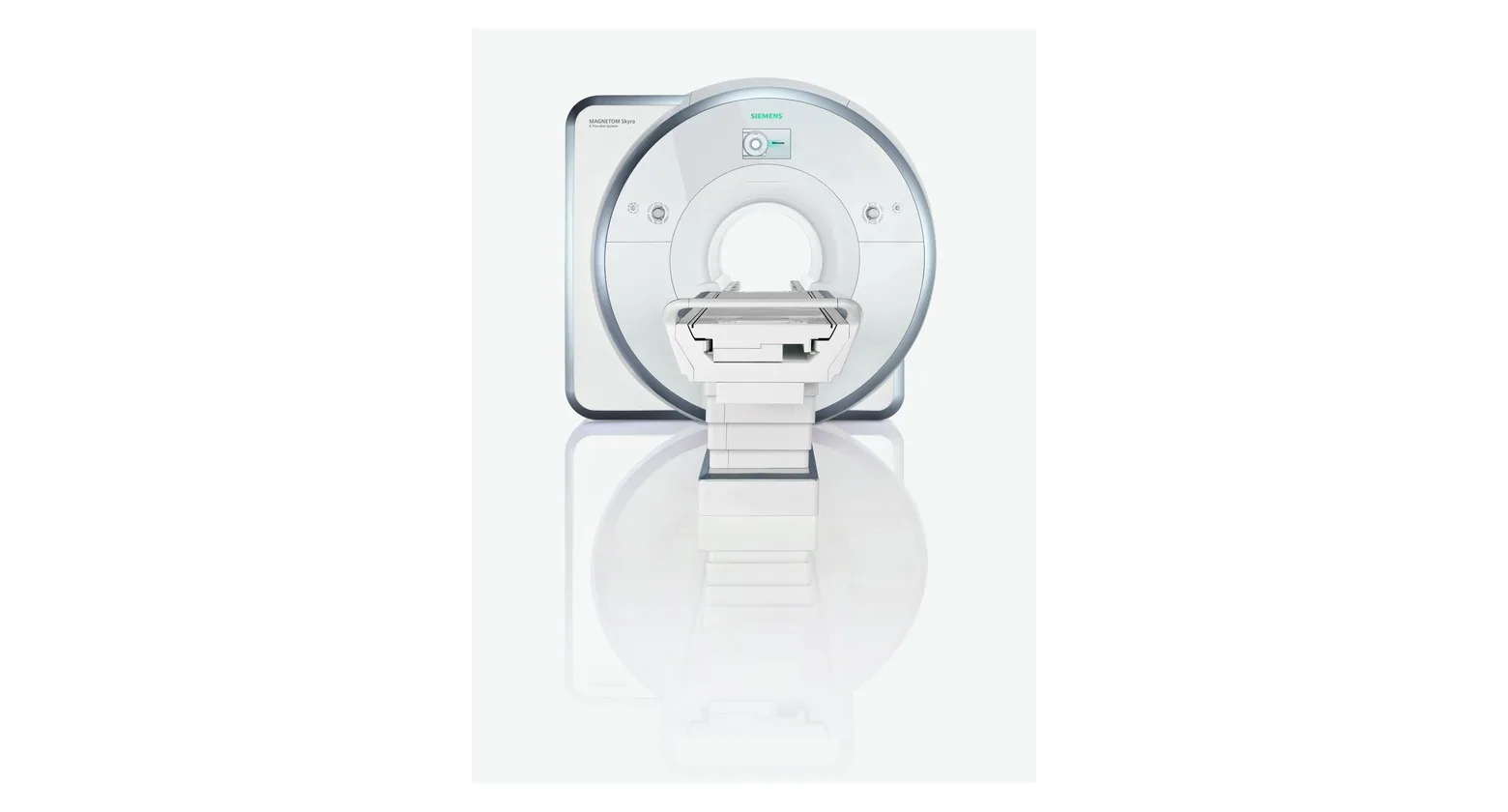
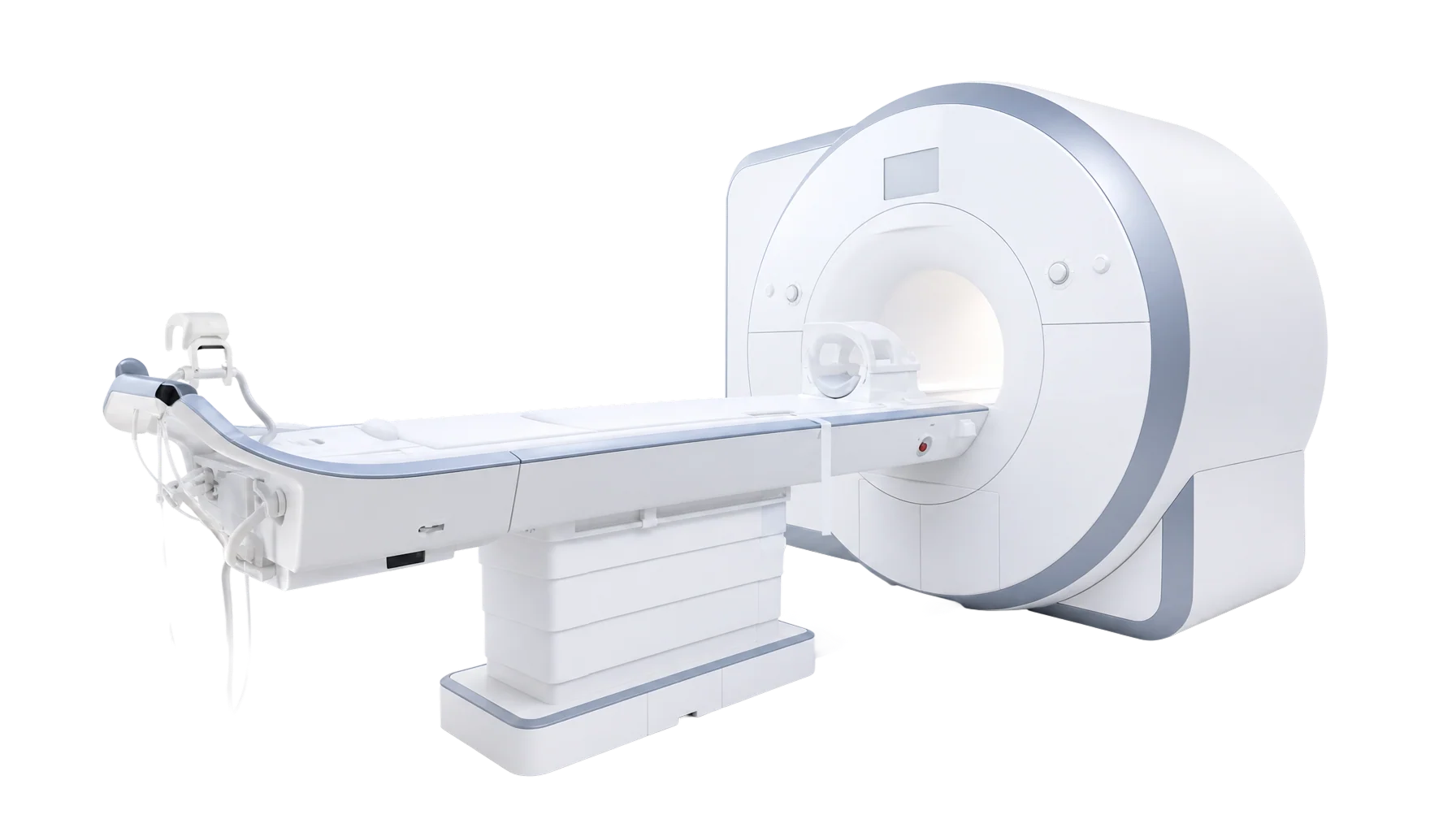
The first-line studies for identifying a cerebral aneurysm are CT angiography and MRA. Because CT angiography exposes the patient to both radiation and contrast, which can be harmful, MRA without contrast is preferred wherever possible. Carotid ultrasound and transcranial Doppler are not helpful in detecting aneurysms.
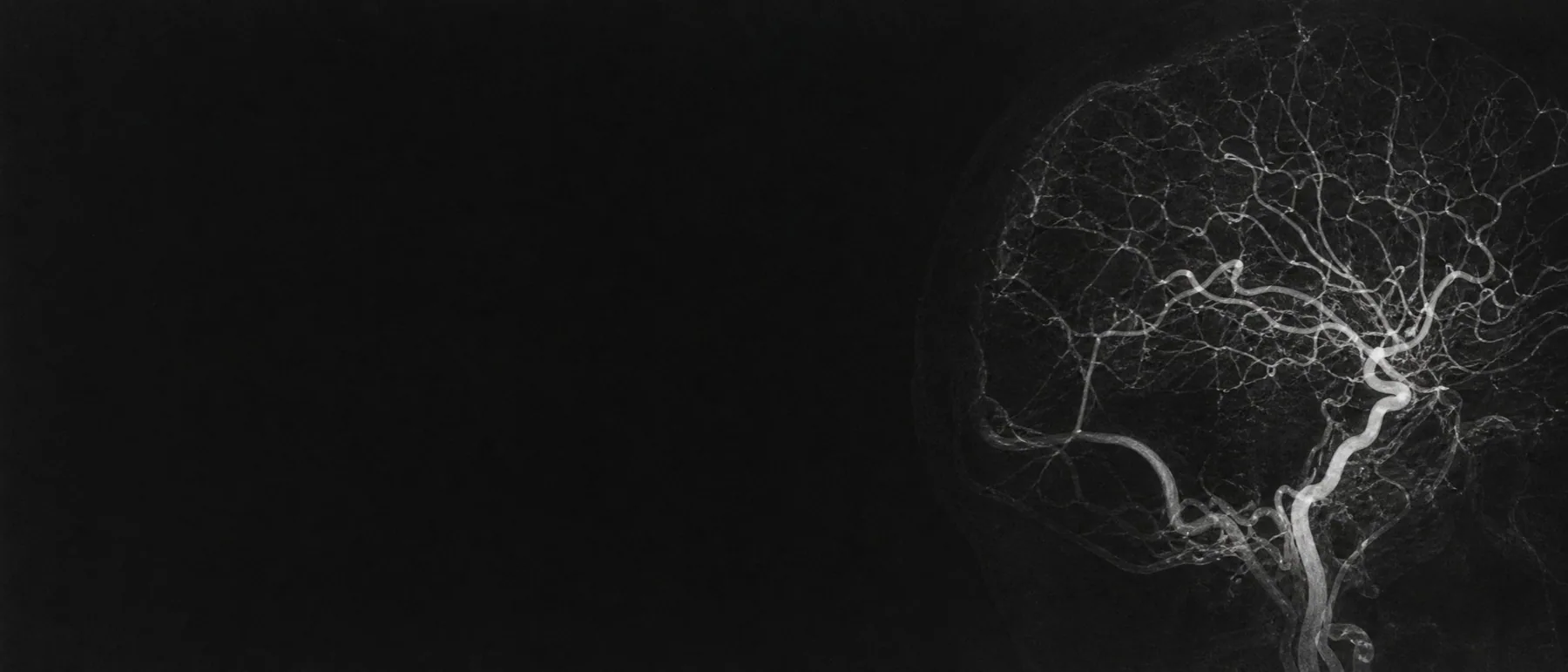
MRA detects most aneurysms, but those that are very small or located on heavily branched vessels can be difficult to identify. In such cases cerebral angiography is performed as a second-line study. Cerebral angiography is invasive and is usually carried out during a hospital admission.
When an asymptomatic aneurysm is confirmed, if the risk of rupture is low it is often monitored through regular follow-up. For a high-risk aneurysm, referral to a tertiary hospital follows, leading to endovascular treatment such as coiling or surgical treatment such as clipping via craniotomy.
※ This is general medical information provided for understanding only. Actual diagnosis and treatment are determined by a specialist after examination, based on the individual patient's condition.