BPPV (benign paroxysmal positional vertigo)
BPPV — the ceiling spins every time you roll over

Source : YTN · KBS 1TV "Ask Anything" · Graph data: National Health Insurance Service
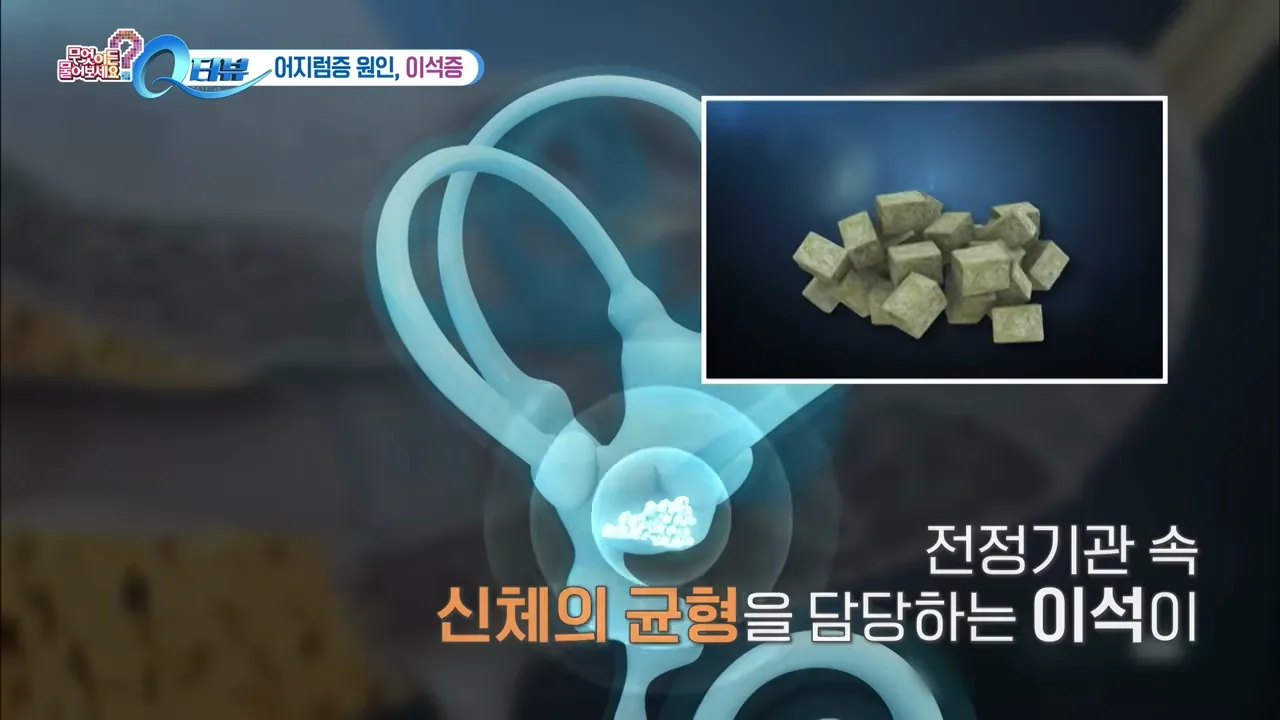
When otoliths — which carry the body's balance information in the vestibular organ of the inner ear — break loose and drift into the semicircular canals, the brain receives erroneous signals and severe dizziness follows.
The characteristic feature is a spinning sensation lasting under a few minutes, mainly on changing position.
Beyond making daily life difficult, dizziness can lead to a fall and serious injury. Because BPPV tends to recur, the fear of another episode can bring on phobic dizziness as well. Prompt, accurate testing and treatment matter so that you can return to normal life as quickly as possible.
How is BPPV — the condition that makes the world spin — treated?

Source : KBS 1TV "Ask Anything" · KBS "Health K"
BPPV occurs when otolith debris dislodged from the otolith organ enters a semicircular canal, causing dizziness with every head movement. It is characterized by brief, intense spinning vertigo lasting under a few minutes, recurring in specific positions such as rolling over in bed or tilting the head back; and with neurological examination and video nystagmography, once the affected semicircular canal and the pattern involved are identified, repositioning maneuvers can bring rapid improvement.
BPPV tends to recur, which worries many patients. We check whether it is accompanied by conditions such as disorders of calcium metabolism (osteoporosis or vitamin D deficiency), head trauma, a benign brain tumor such as acoustic neuroma, stroke, vestibular neuritis, or Meniere's disease.
Video nystagmography lets us examine and treat on the same day
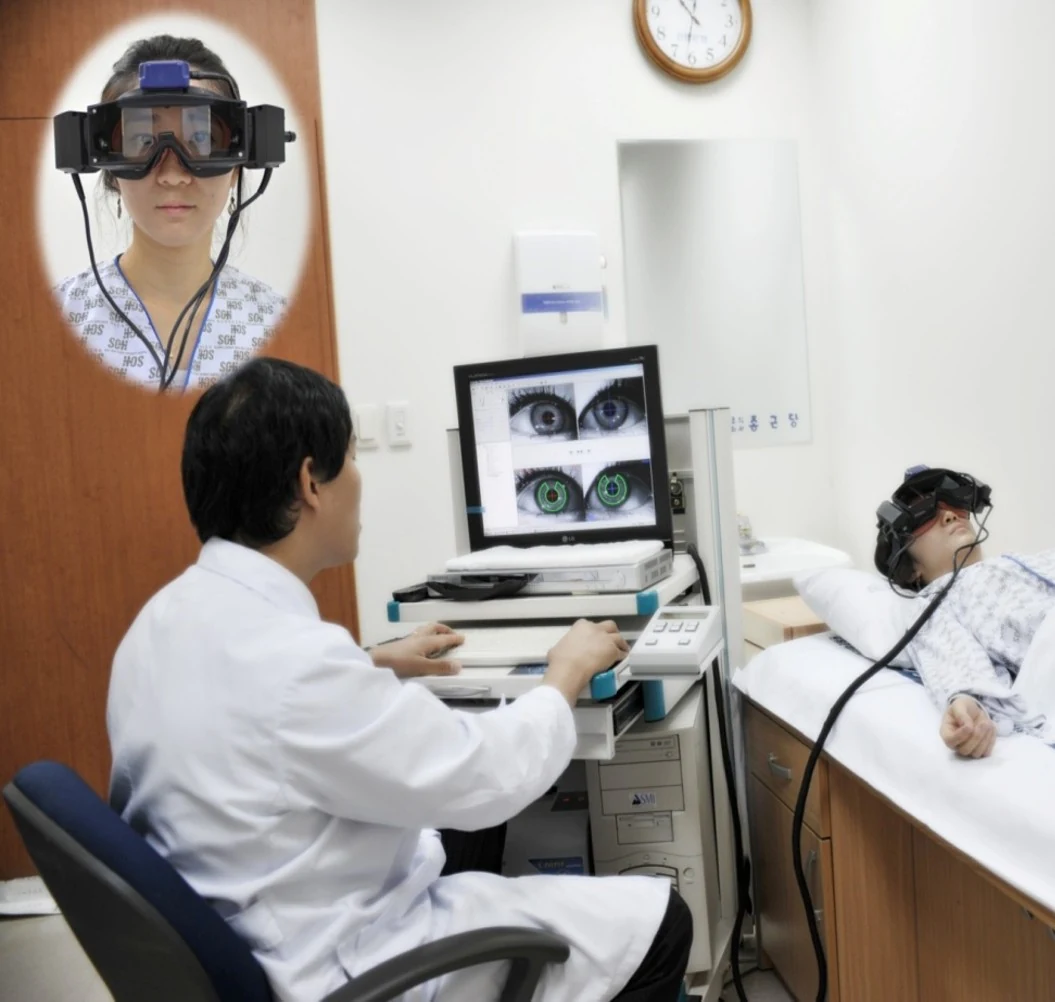
Video nystagmography uses goggles fitted with a video camera (Frenzel goggles) to film eye movement, observing nystagmus — its direction, degree, and the direction of gaze in which it appears.
Eye movements occurring during dizziness are recorded and analyzed with up-to-date software. This ultimately establishes whether the dizziness originates in the vestibular organ of the ear and which semicircular canal the otolith has entered; and at the same time as the examination, the appropriate repositioning maneuver — Epley, barbecue roll, and others — allows testing and treatment to be completed the same day.
We also work to control accompanying nausea and vomiting and to prevent recurrence.
※ This is general medical information provided for understanding only. Actual diagnosis and treatment are determined by a specialist after examination, based on the individual patient's condition.