Knee Osteoarthritis Regenerative Therapy
Knee Osteoarthritis Regenerative Therapy
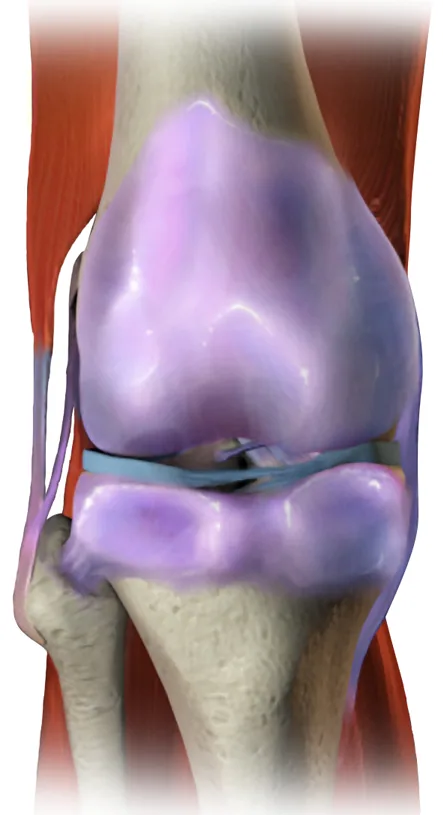
Normal knee
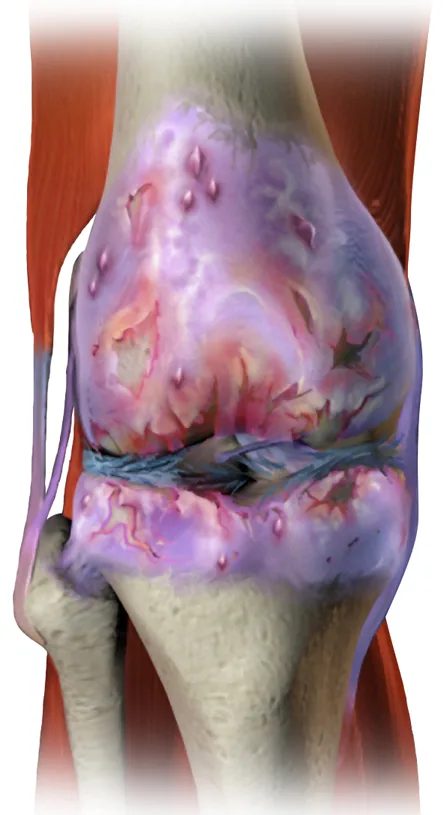
Degenerative knee arthritis
Source : Blausen Medical, Wikimedia Commons (CC BY-SA 4.0)
An injection that promotes recovery of worn and damaged knee cartilage and the surrounding joint tissue including ligaments, while reducing pain.
Not simply pain relief, but The goal is to restore function by improving the joint environmentis present.
Which Injectionwhich injection is used?

Hyaluronic acidHyaluronic acid injection
The earlier the arthritis, the better the effect3 timesWeekly intervals · a single-dose regimen is also possible
Increases lubrication within the joint, reduces cartilage friction, and strengthens shock absorption.
Moderately reduces pain, improves joint movement, and eases stiffnessAdvantages
- A safe treatment with immediate pain relief
Limitations
- Little effect on regenerating joint cartilage

ConjuranSalmon DNA injection
When hyaluronic acid injection gives insufficient effect5 timesWeekly intervals recommended
DNA extracted from salmon (polynucleotide) promotes regeneration of the extracellular matrix (ECM) and improves the environment for cartilage cells.
Protects cartilage and creates conditions for regeneration; moderately reduces joint painAdvantages
- Helps create conditions for joint regeneration
Limitations
- Costlier than hyaluronic acid injection

PRP injectionAutologous platelets
Patients with early to mid-stage arthritis and cartilage damage with persistent pain1–3 timesRepeat treatment at weekly intervals recommended
Growth factors in the concentrated plasma promote regeneration of damaged tissue and reduce inflammation.
Promotes regeneration of cartilage, tendon, and ligament; reduces pain in moderate arthritisAdvantages
- Applicable to chronic knee pain that responds poorly even to steroid injection
Limitations
- Costly, with considerable variation in effect between individuals
※ This is general medical information provided for understanding only. Whether and how to treat is determined by a specialist after examination, based on the individual patient's condition.