Musculoskeletal PRP Injection

PRP therapy
PRP therapy

PRP (platelet-rich plasma) injection — what kind of treatment is it?

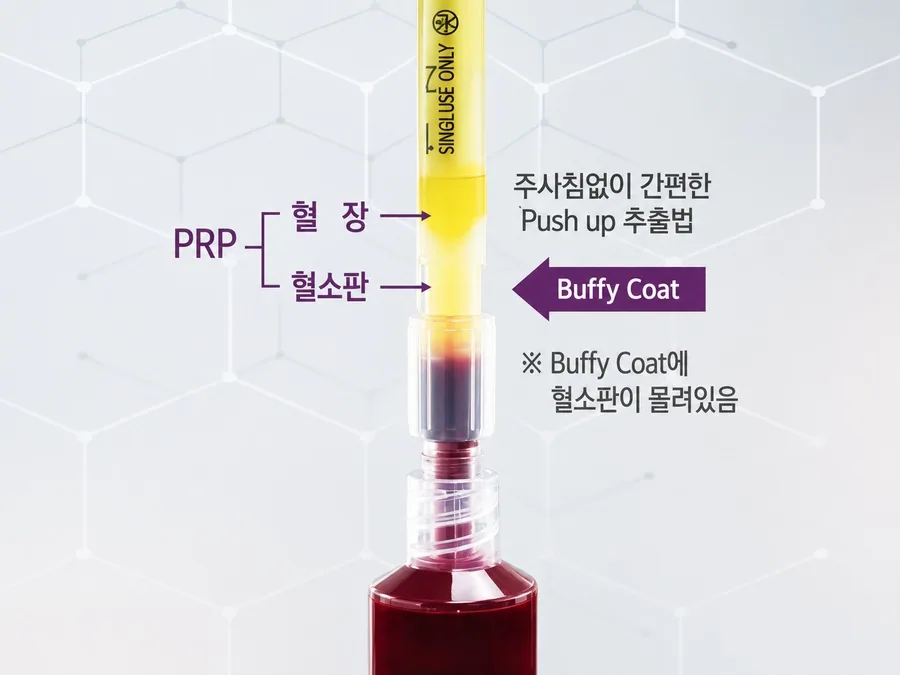
PRP is plasma concentrated with the healing growth factors and platelets found in blood. It is used to regenerate damaged tendons, ligaments, and cartilage and to relieve pain.Uses the patient's own bloodNo steroidPrecise ultrasound guidanceA safe option short of surgery

Which conditions does it work for?
Which conditions does it work for?

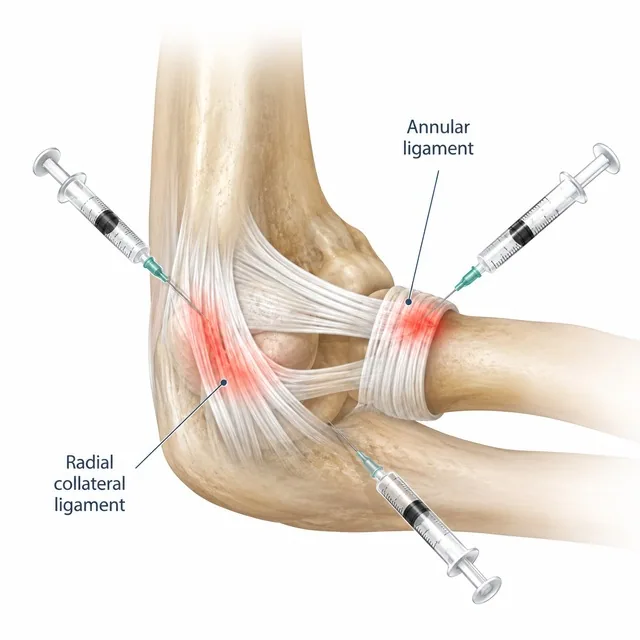
PRP is a safe treatment option that avoids surgery and supports fundamental recovery from musculoskeletal injury. Its efficacy has been established in the following conditions (approved as a new medical technology in 2026).Rotator cuff tendon tearTennis and golfer's elbowPlantar fasciitisKnee osteoarthritis and cartilage damageOther chronic ligament and tendon injuries
PRP is a fundamental and safe treatment, but it does not guarantee the same result for every patient. An accurate diagnosis and a full discussion of whether it suits your condition should precede the decision.

What does the treatment process involve?
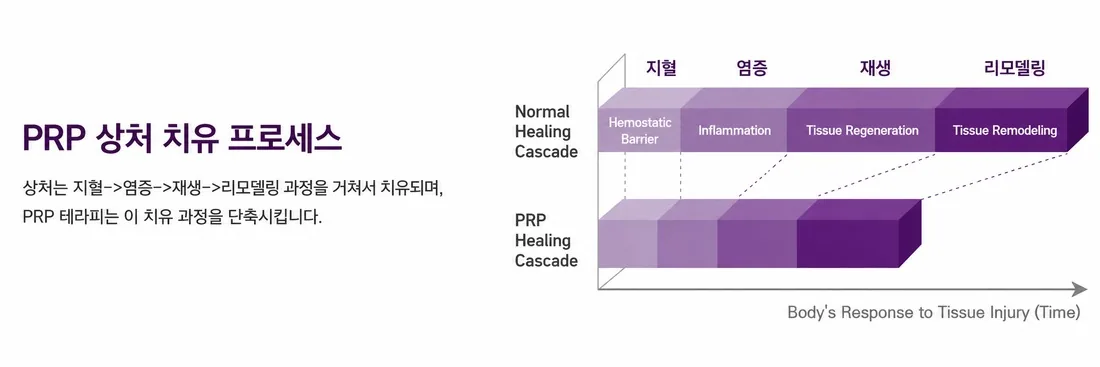
What does the treatment process involve?

Because it uses only as much of the patient's own blood as needed, the procedure is safe and free of significant side effects. Some soreness may follow the ultrasound-guided injection for two to three days, but it is usually mild and resolves quickly.
Treatment is usually given one to three times at weekly intervals, and may be repeated as needed or combined with other regenerative therapies.
30 minutes from blood draw to injection is the approximate time required.

※ This is general medical information provided for understanding only. Whether and how to treat is determined by a specialist after examination, based on the individual patient's condition.
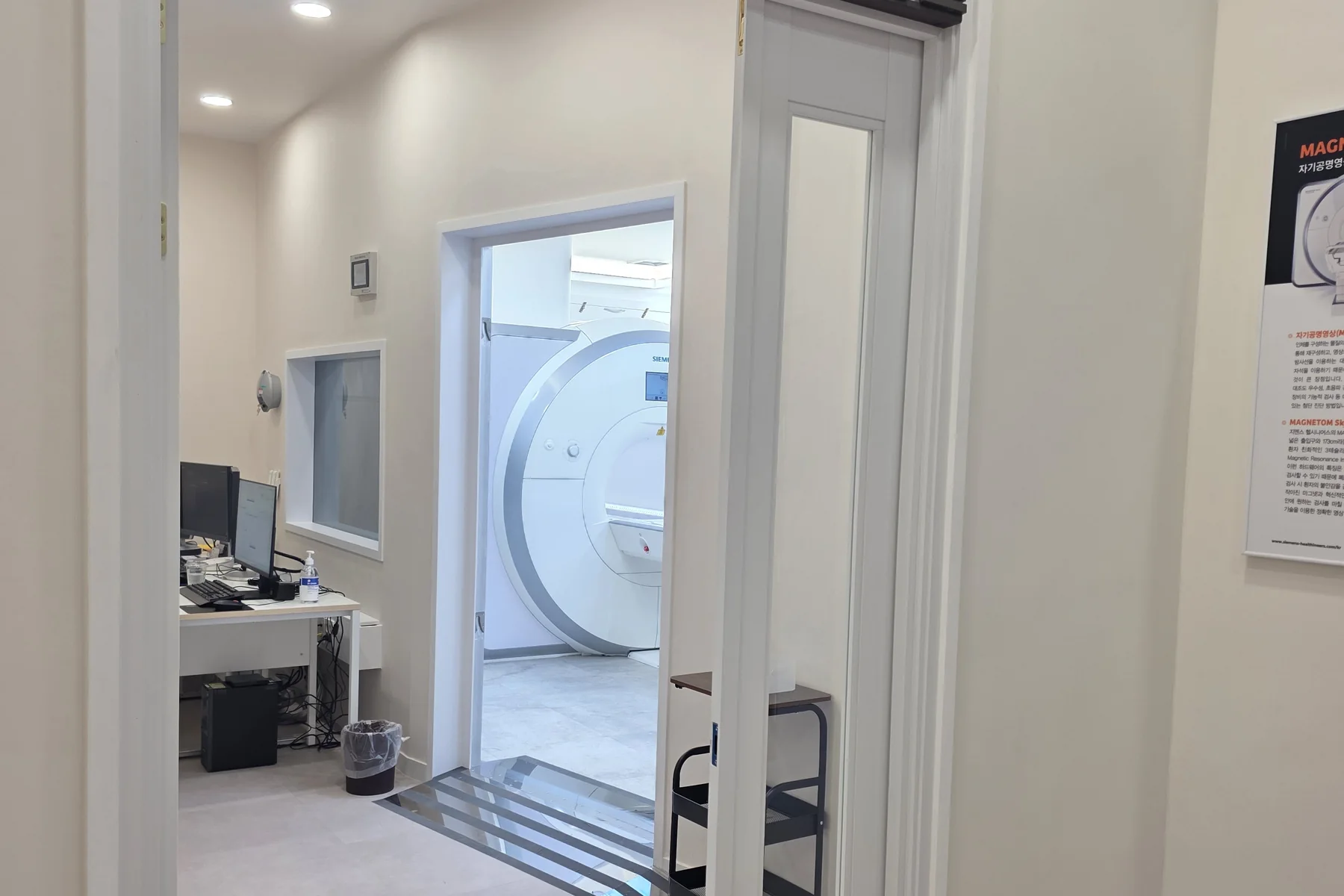
Advanced Equipment

  • SIEMENS3T AI MRIWe add AI imaging (Deep Resolve) to a proven Siemens 3T MRI to examine neurological conditions faster and more clearly.
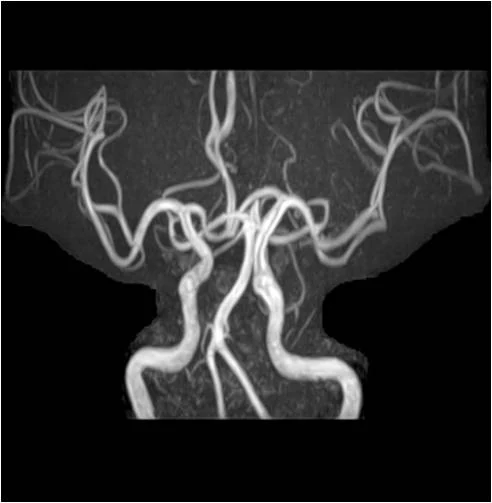
  • MRACerebrovascular and carotid MRAIt accurately evaluates the degree of atherosclerosis, stenosis, structural abnormality, and the presence of aneurysm in the vessels of the brain and neck.
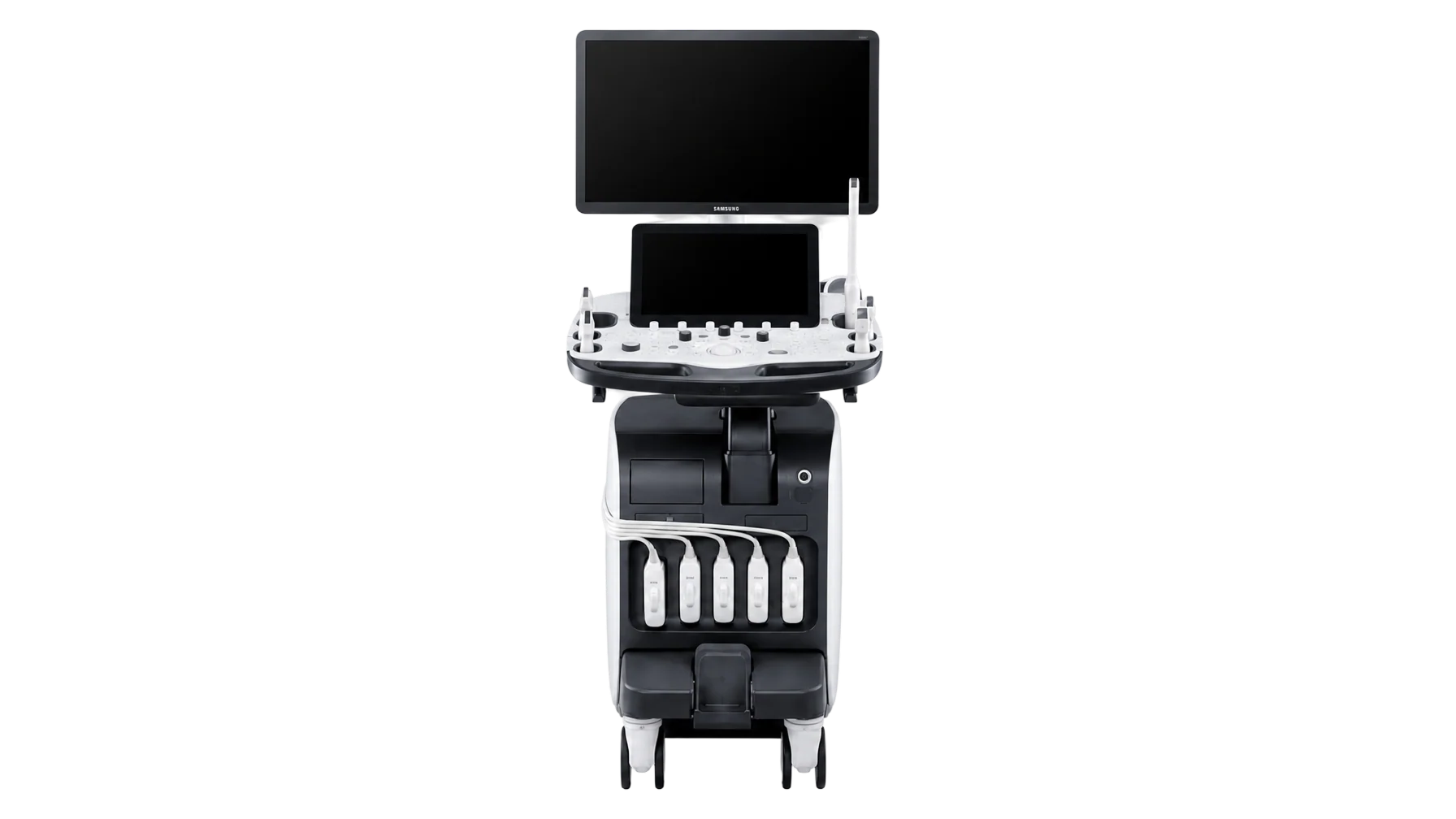
  • Carotid USCarotid UltrasoundCarotid wall thickness and plaque are examined to assess stroke risk.
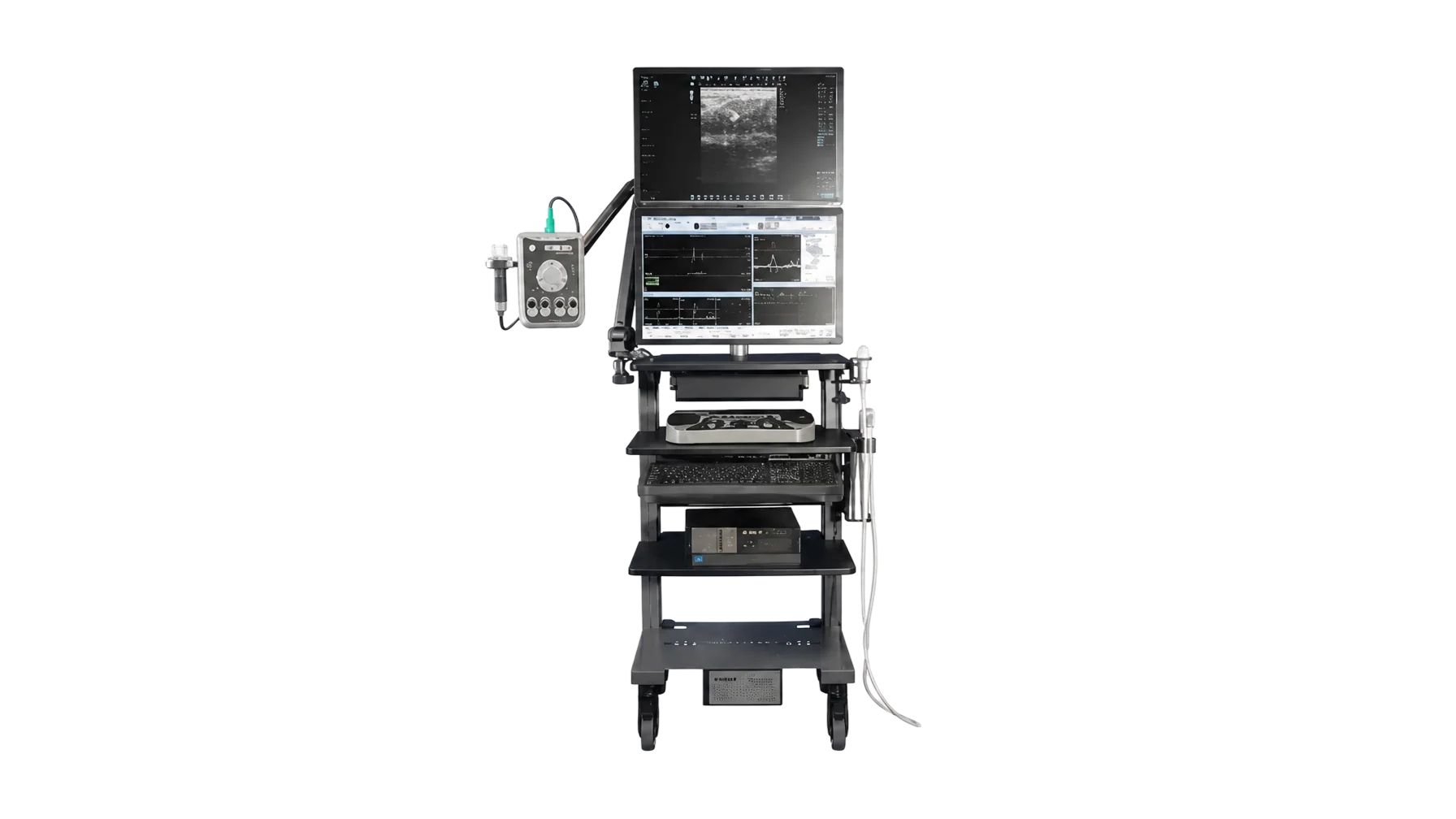
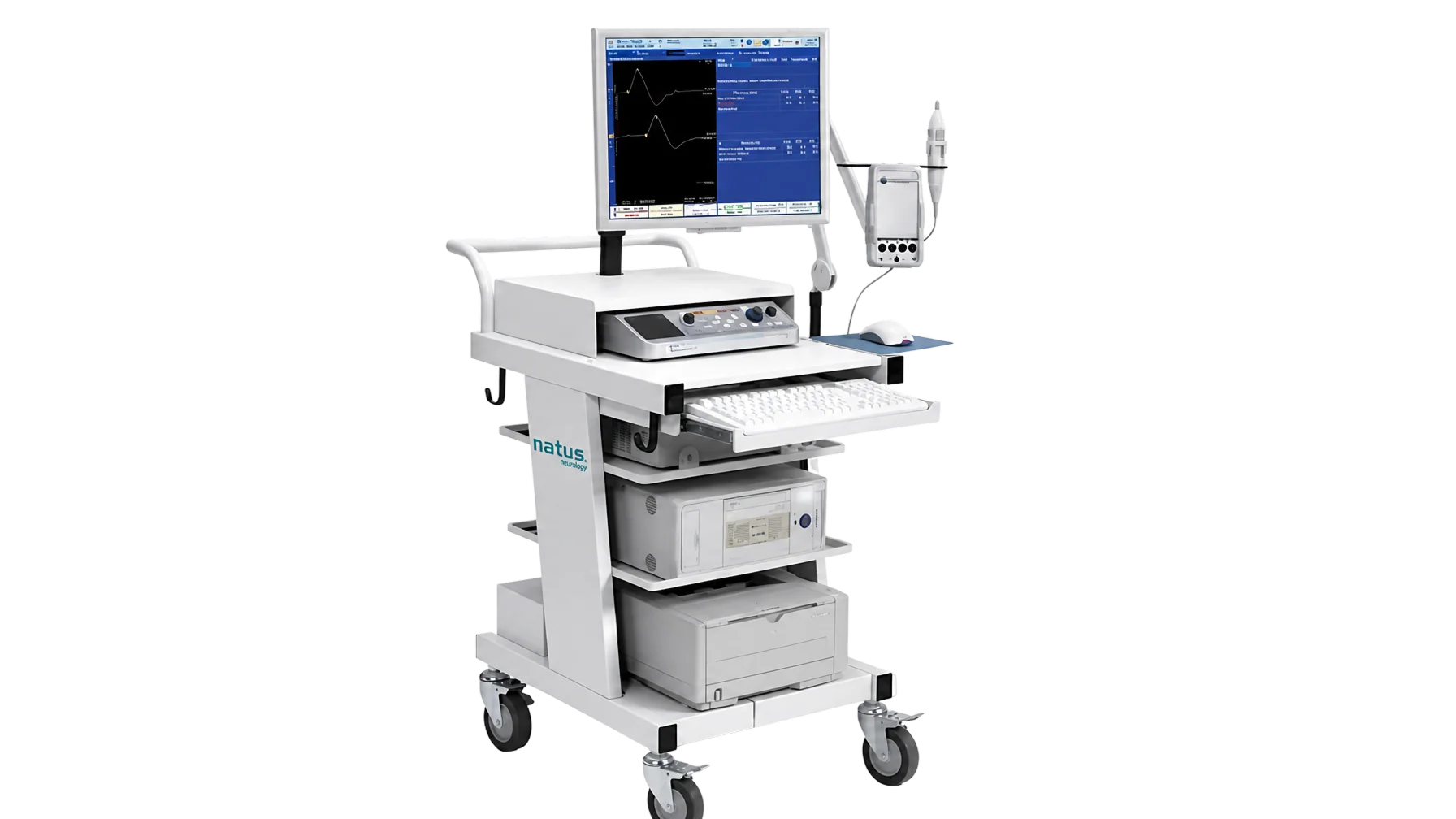
  • NCS / EMGNerve conduction studiesNerves in the arms, legs, and face are safely stimulated electrically and the responses recorded, establishing whether peripheral nerve damage is present and how severe it is.
  • EPEvoked potential testBy safely stimulating the visual and auditory pathways electrically, damage to the cranial nerves can be identified.
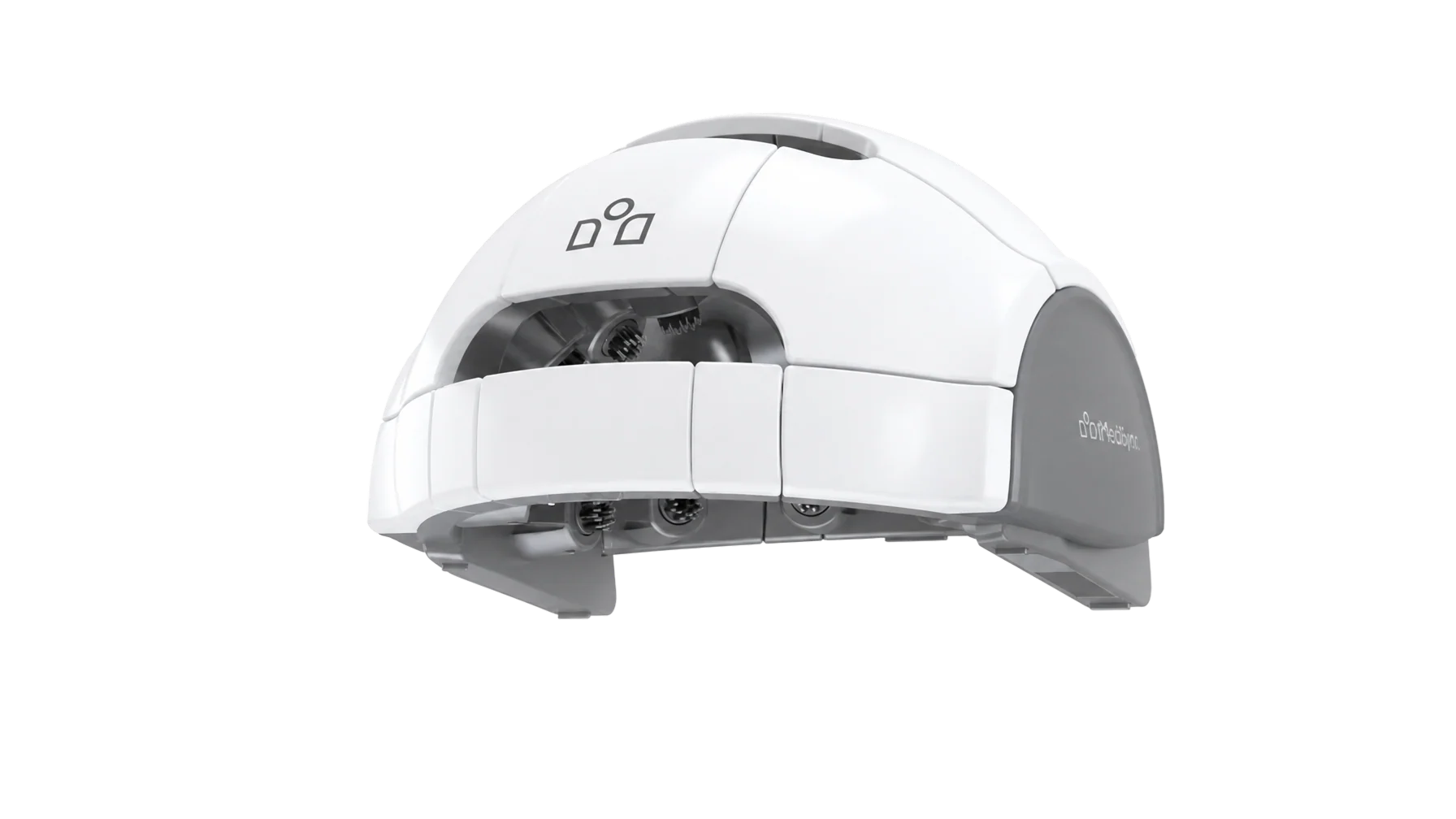
  • EEGAI digital EEGBeyond the conventional identification of epileptiform waveforms, quantitative EEG with the latest AI software aids in assessing brain function in headache, anxiety, and depression.
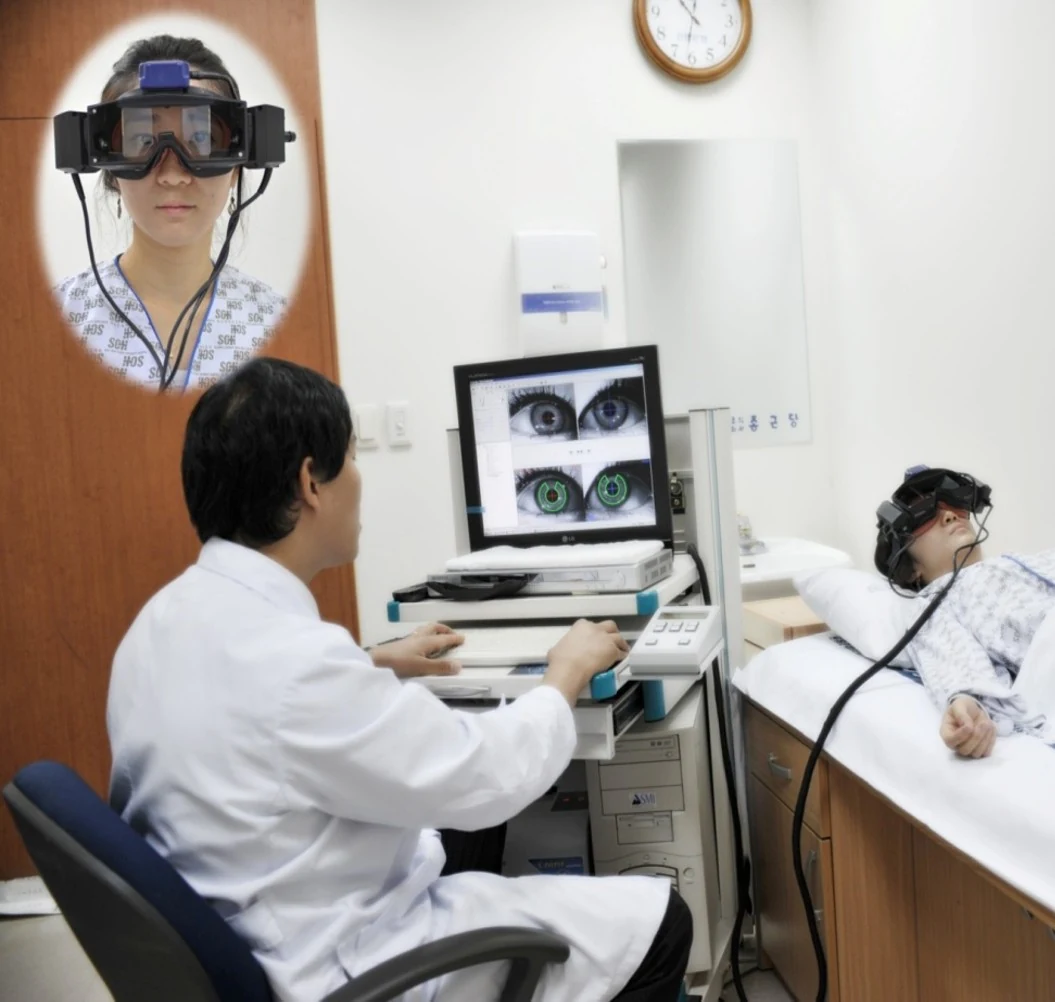
  • VNGVideo nystagmographyBy recording and analyzing involuntary eye movement on video, this test is useful for distinguishing dizziness disorders such as BPPV and Meniere's disease.
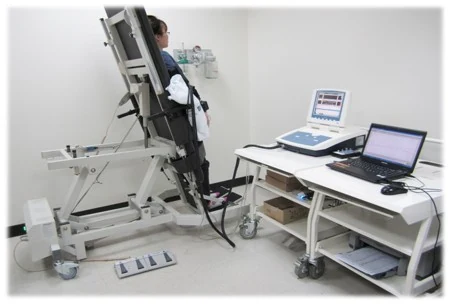
  • HRV / SSRAutonomic Function TestEquipment that objectively assesses the balance between the body's sympathetic and parasympathetic nerves.
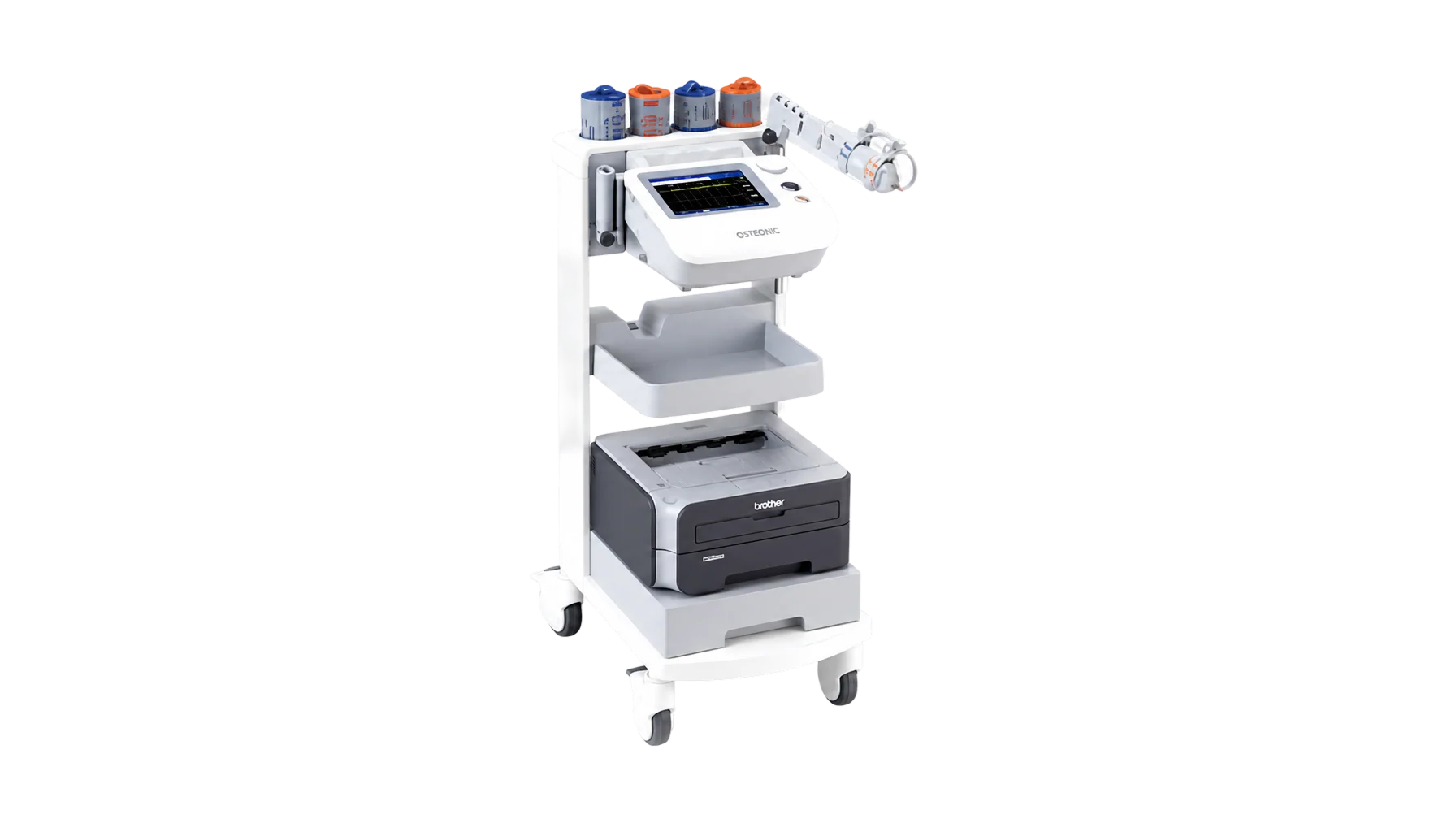
  • PWV / ABIArterial elasticity testingBy measuring vessel elasticity and the degree of atherosclerosis, it readily assesses the risk of circulatory disturbance and cardiovascular or cerebrovascular disease.
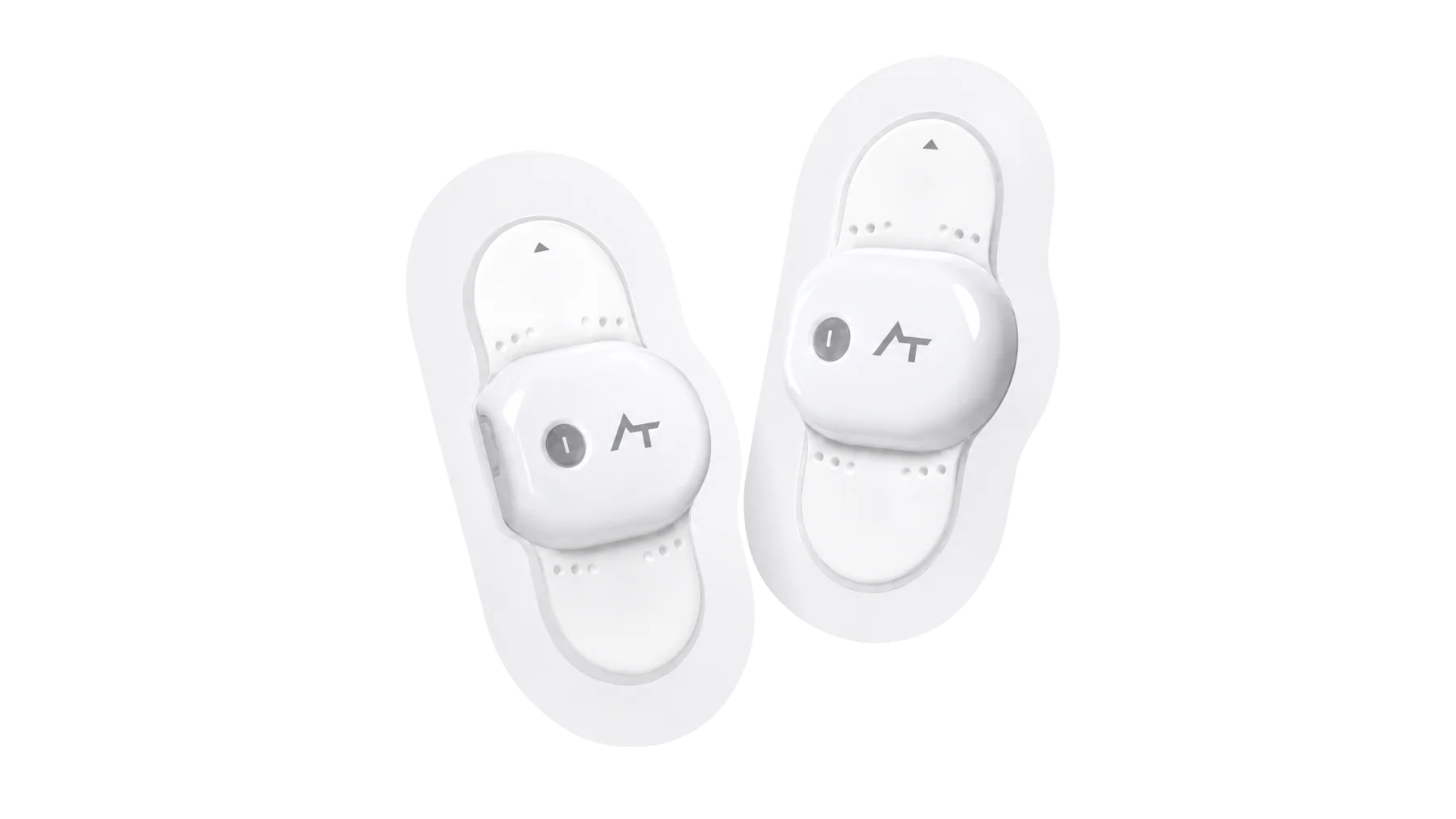
  • Wearable ECG/BPWearable cardiac function testingA micro-sensor continuously analyzes blood pressure and ECG over 24 hours to identify cardiac dysfunction capable of causing a stroke.
  • SNSB / CERADNeuropsychological testingIt distinguishes simple forgetfulness from dementia and objectively evaluates cognitive function including memory.
  • LABBlood and genetic testingWe identify risk factors for cardiovascular and cerebrovascular disease, including dyslipidemia, and look for high-risk dementia genes in advance so that prevention can begin.