Spondylolisthesis and spinal stenosis

Spondylolisthesis and spinal stenosis, what kind of condition is it?
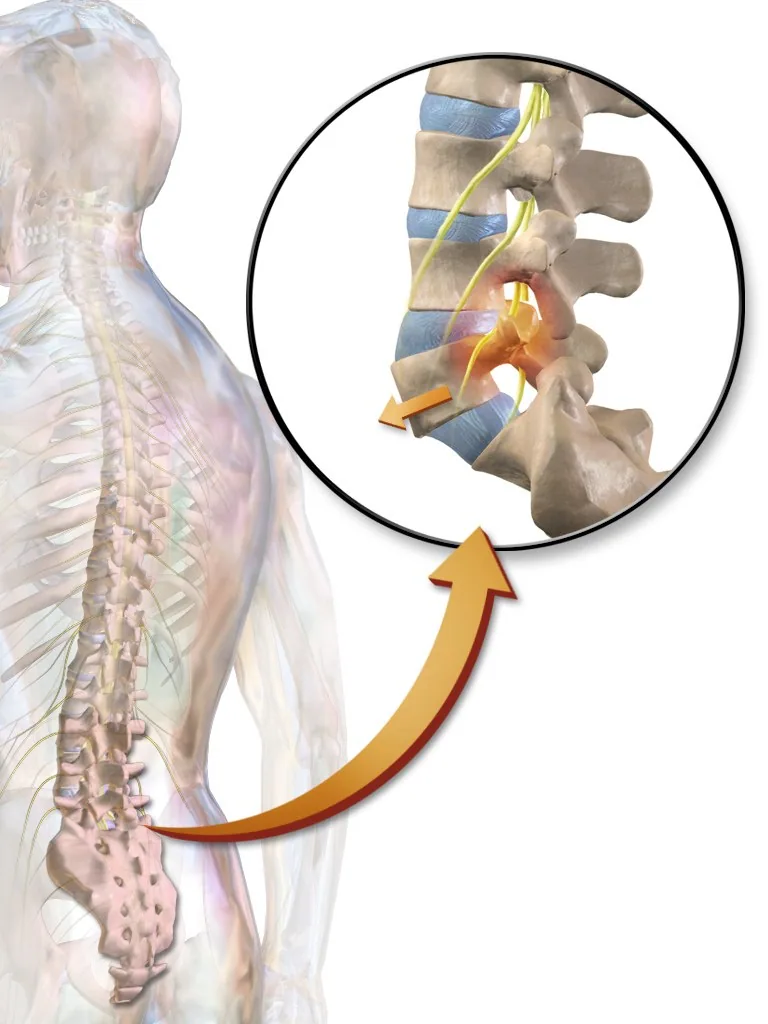
Spondylolisthesis and spinal stenosis, what kind of condition is it?

A degenerative condition in which a vertebra slips forward or the passage carrying the nerves narrows, compressing them. The characteristic feature is a walking disturbance: after a short distance the legs become numb and tight, requiring a rest, and bending forward brings relief.

Examination and testing identify the cause, and
Nerve treatment · PRP injection · Prolotherapy · Ultrasound-guided procedures — we select only what is needed and proceed step by step.

※ This is general medical information provided for understanding only. Actual diagnosis and treatment are determined by a specialist after examination, based on the individual patient's condition.
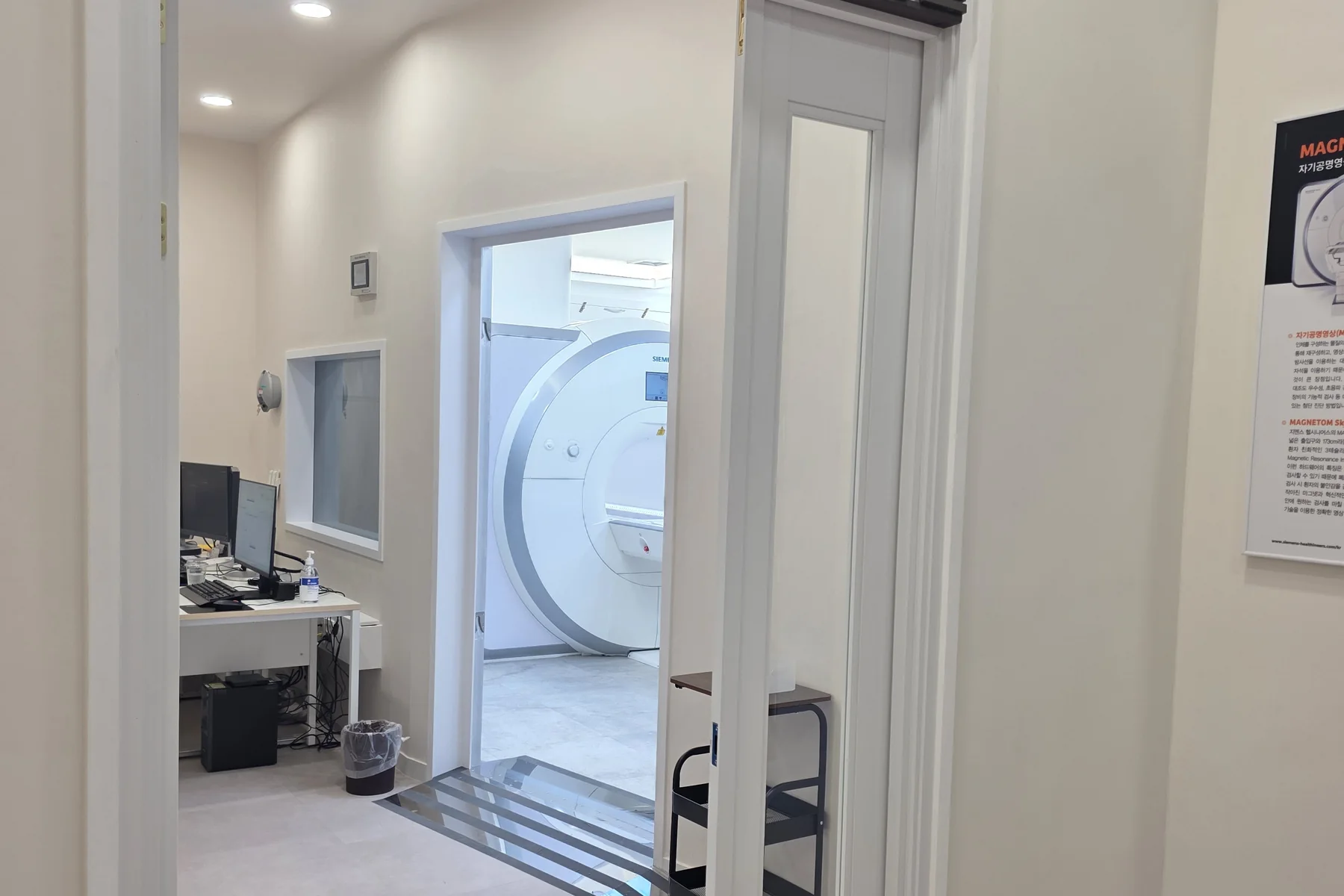
Advanced Equipment

  • SIEMENS3T AI MRIWe add AI imaging (Deep Resolve) to a proven Siemens 3T MRI to examine neurological conditions faster and more clearly.
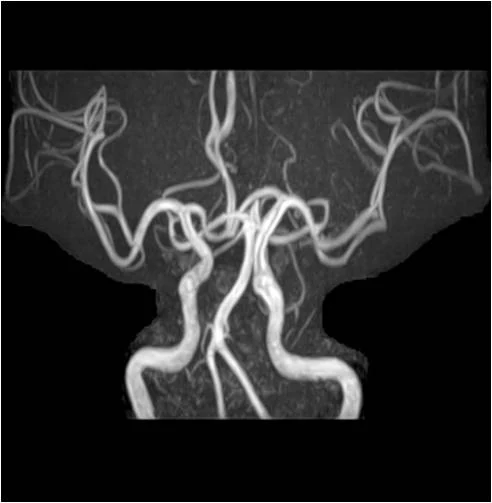
  • MRACerebrovascular and carotid MRAIt accurately evaluates the degree of atherosclerosis, stenosis, structural abnormality, and the presence of aneurysm in the vessels of the brain and neck.
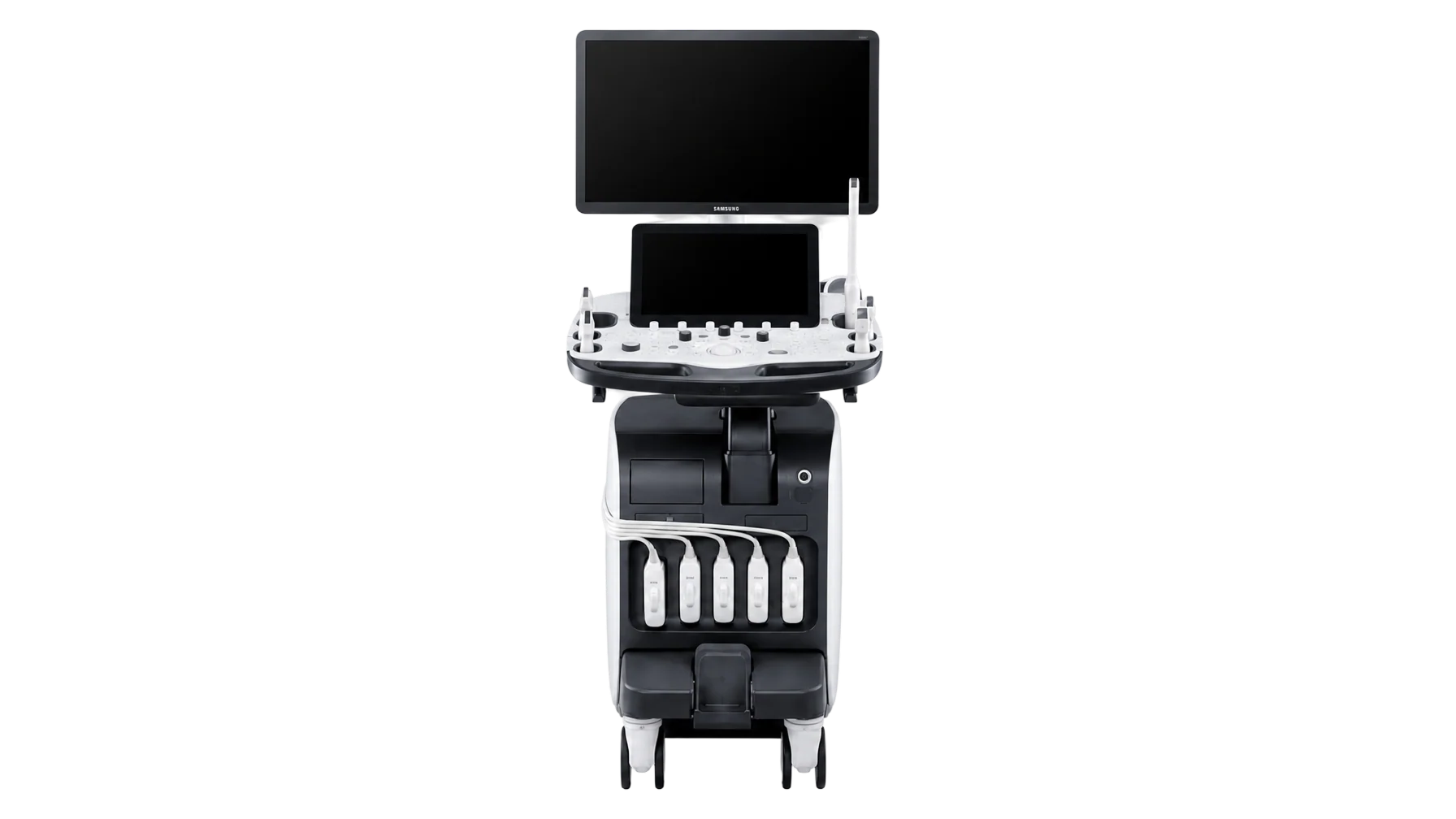
  • Carotid USCarotid UltrasoundCarotid wall thickness and plaque are examined to assess stroke risk.
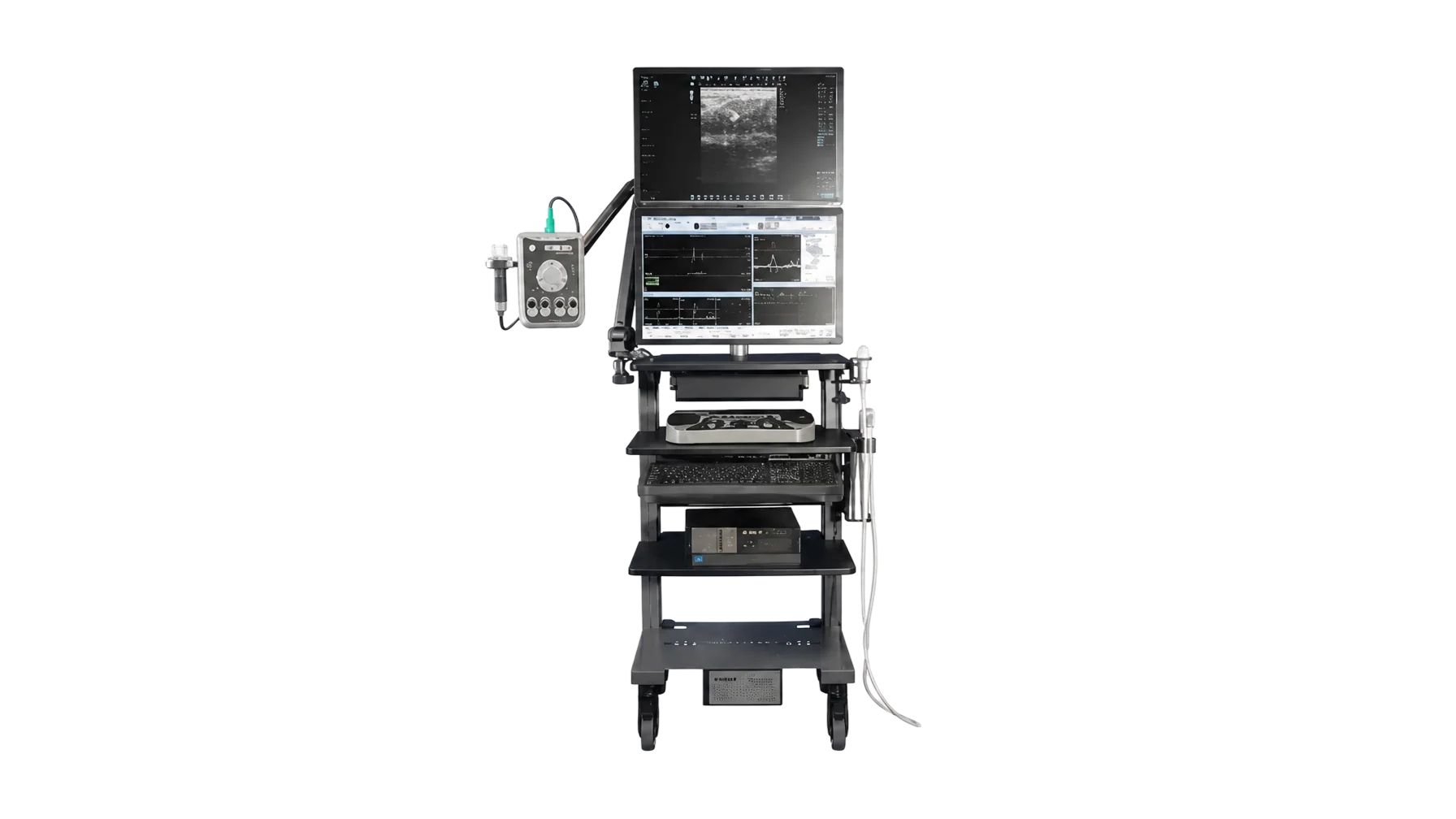
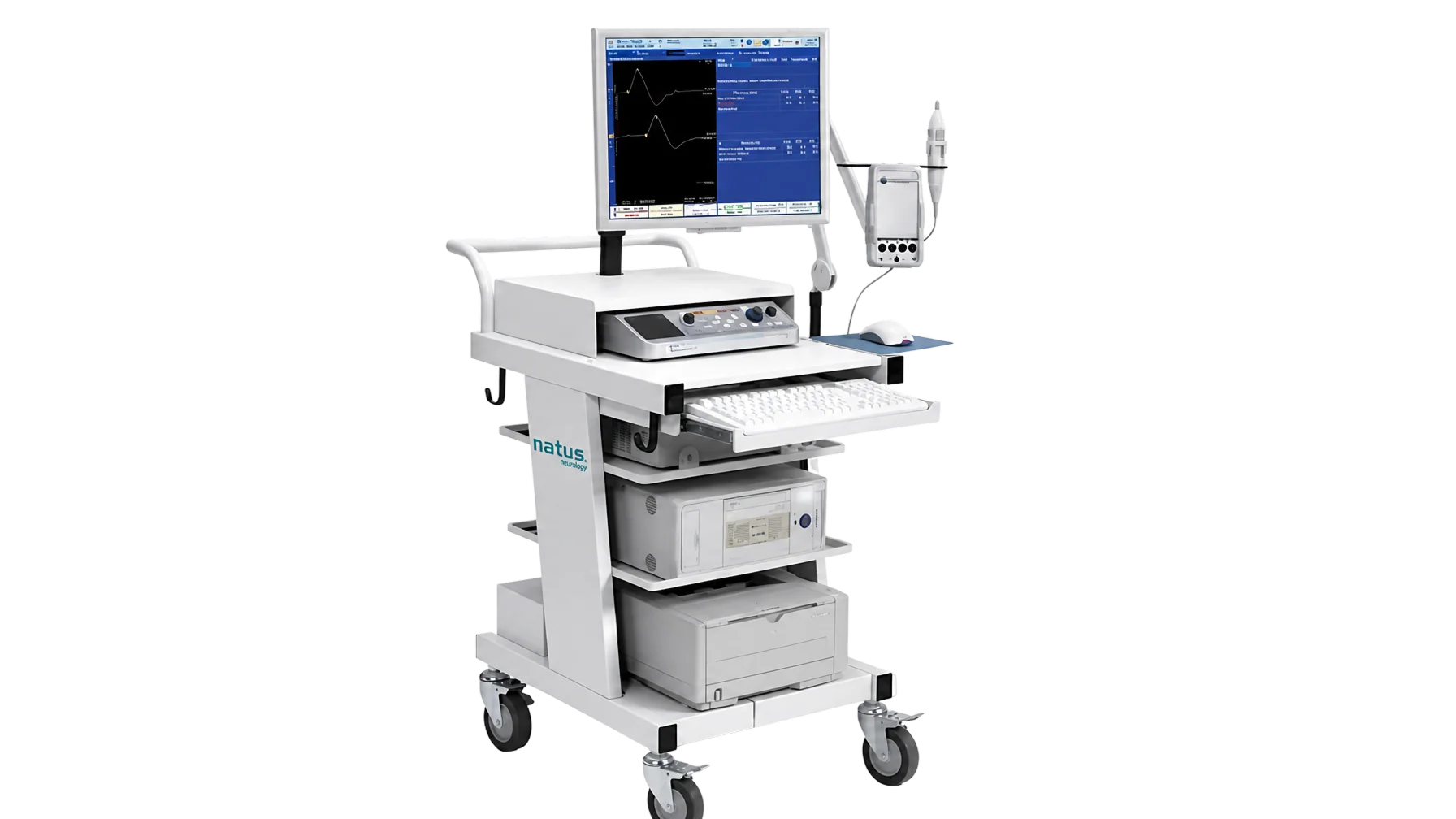
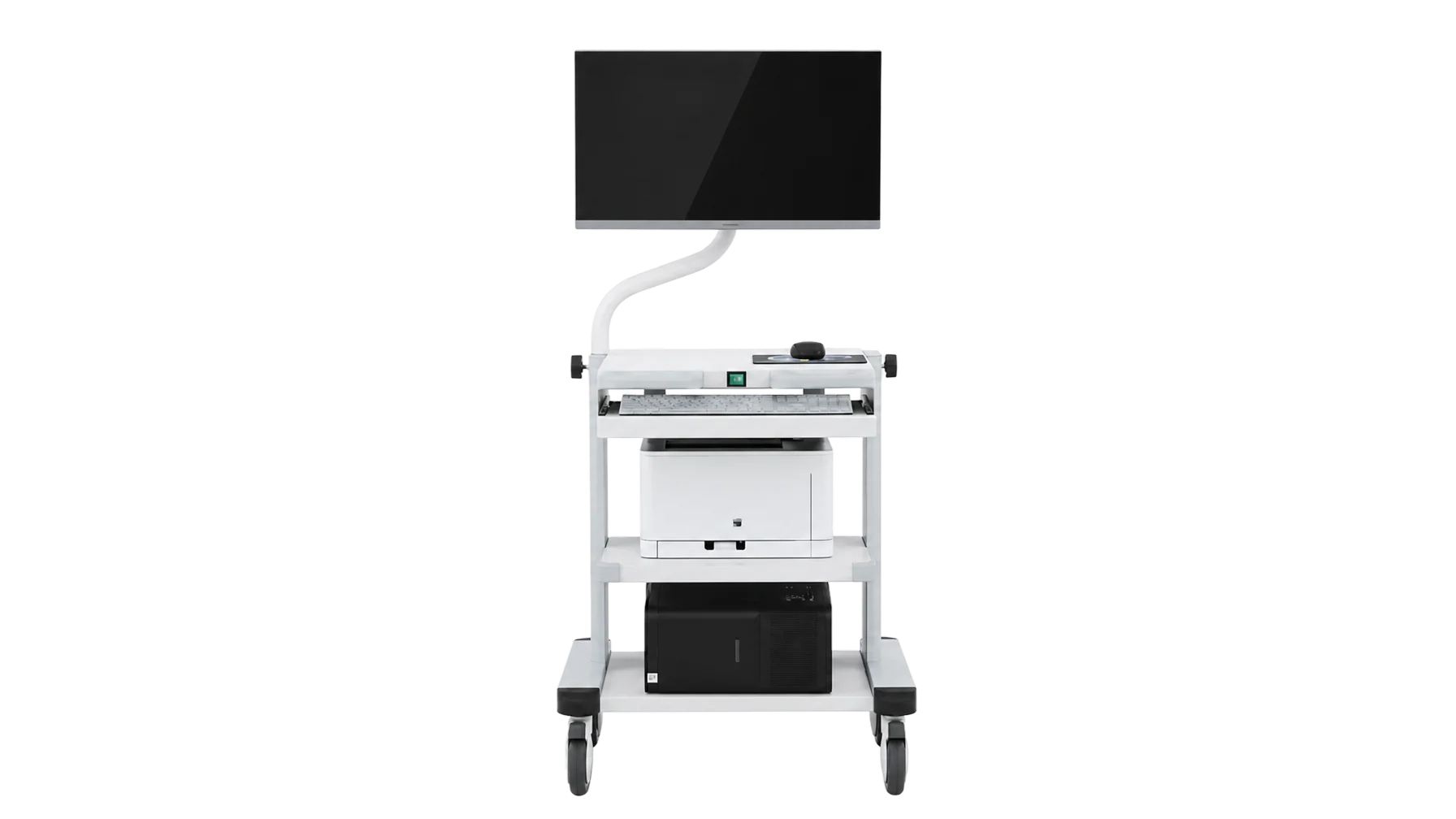
  • NCS / EMGNerve conduction studiesNerves in the arms, legs, and face are safely stimulated electrically and the responses recorded, establishing whether peripheral nerve damage is present and how severe it is.
  • EPEvoked potential testBy safely stimulating the visual and auditory pathways electrically, damage to the cranial nerves can be identified.
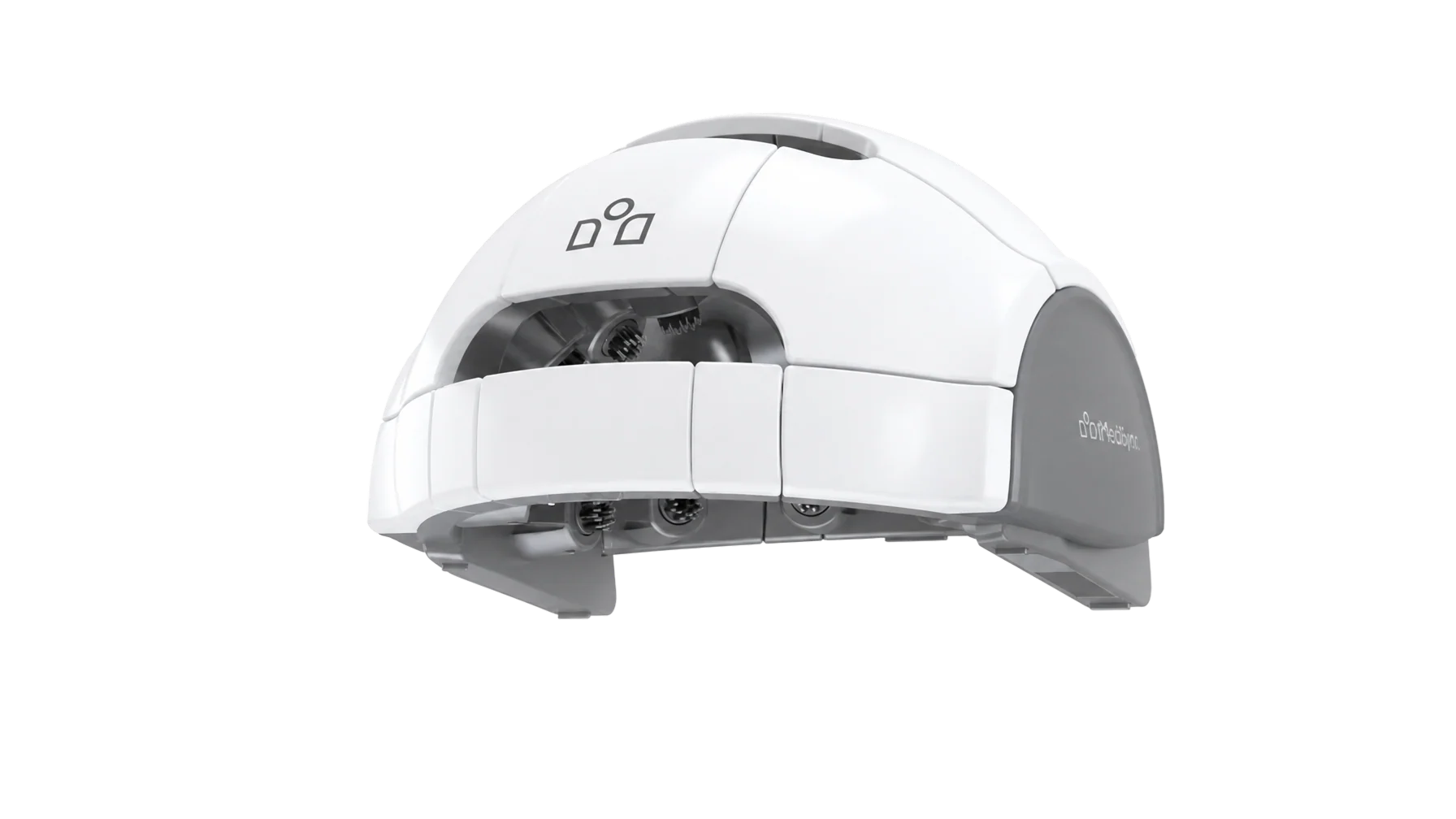
  • EEGAI digital EEGBeyond the conventional identification of epileptiform waveforms, quantitative EEG with the latest AI software aids in assessing brain function in headache, anxiety, and depression.
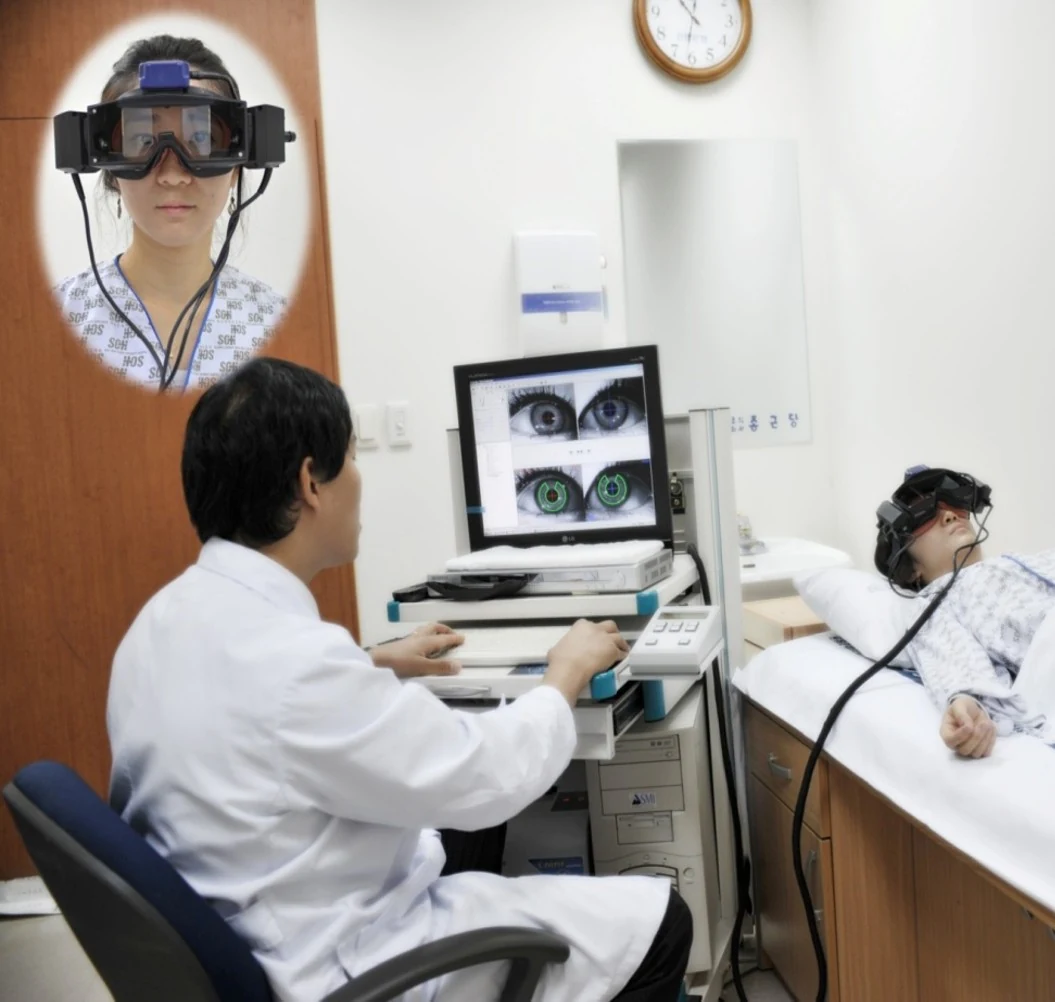
  • VNGVideo nystagmographyBy recording and analyzing involuntary eye movement on video, this test is useful for distinguishing dizziness disorders such as BPPV and Meniere's disease.
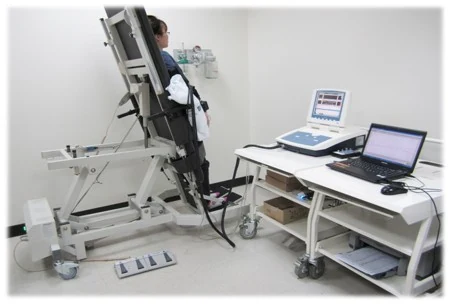
  • HRV / SSRAutonomic Function TestEquipment that objectively assesses the balance between the body's sympathetic and parasympathetic nerves.
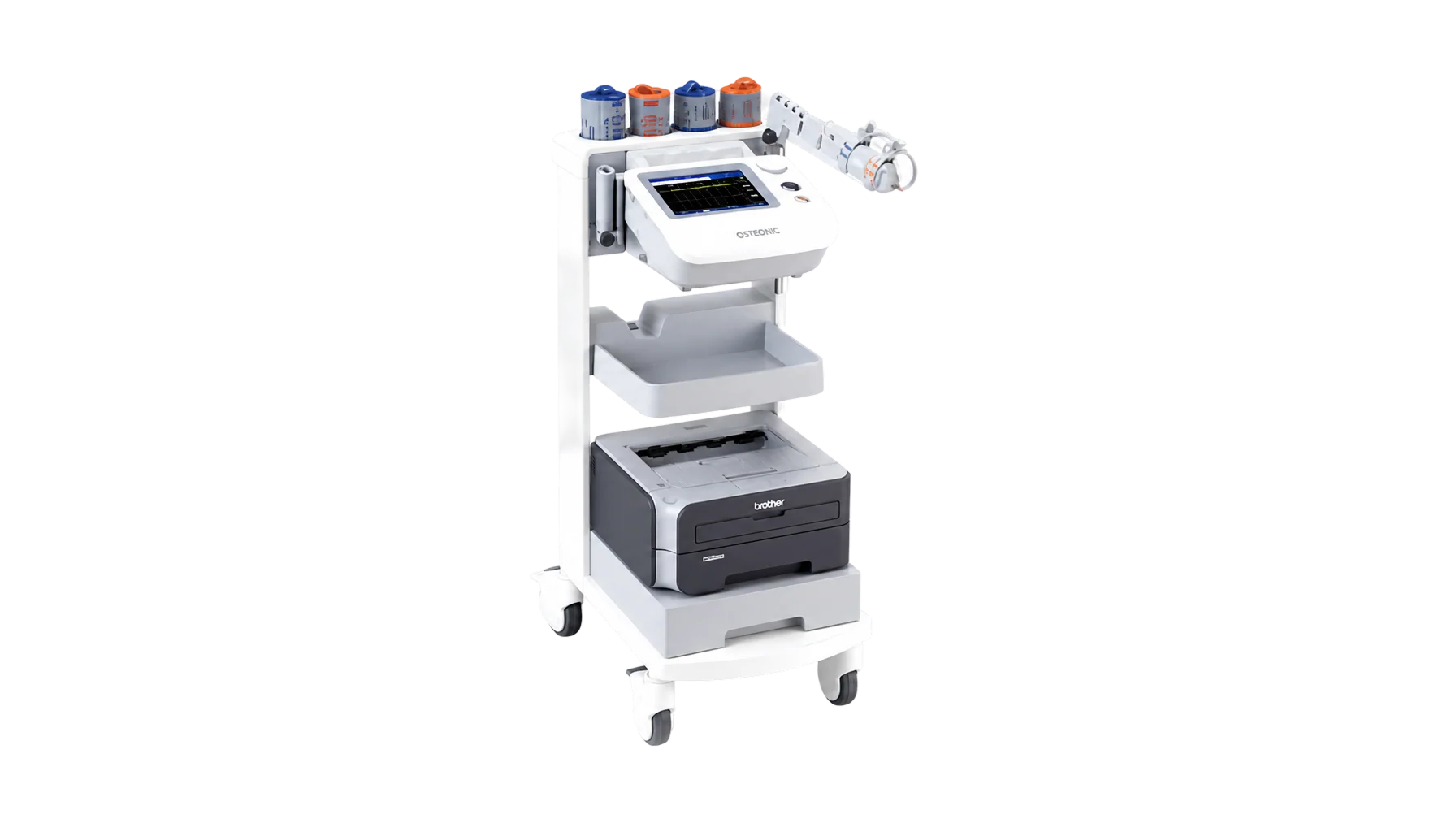
  • PWV / ABIArterial elasticity testingBy measuring vessel elasticity and the degree of atherosclerosis, it readily assesses the risk of circulatory disturbance and cardiovascular or cerebrovascular disease.
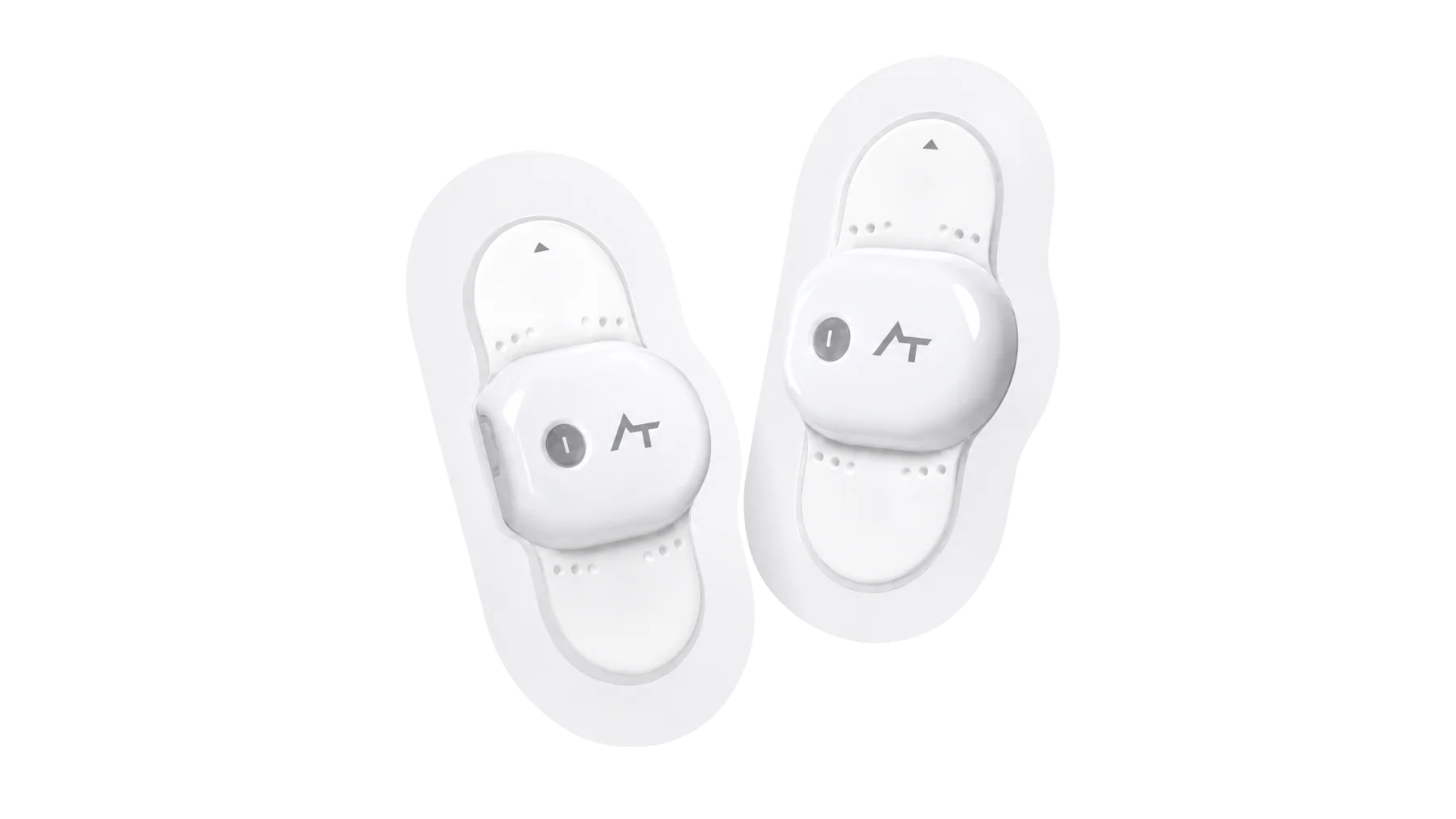
  • Wearable ECG/BPWearable cardiac function testingA micro-sensor continuously analyzes blood pressure and ECG over 24 hours to identify cardiac dysfunction capable of causing a stroke.
  • SNSB / CERADNeuropsychological testingIt distinguishes simple forgetfulness from dementia and objectively evaluates cognitive function including memory.
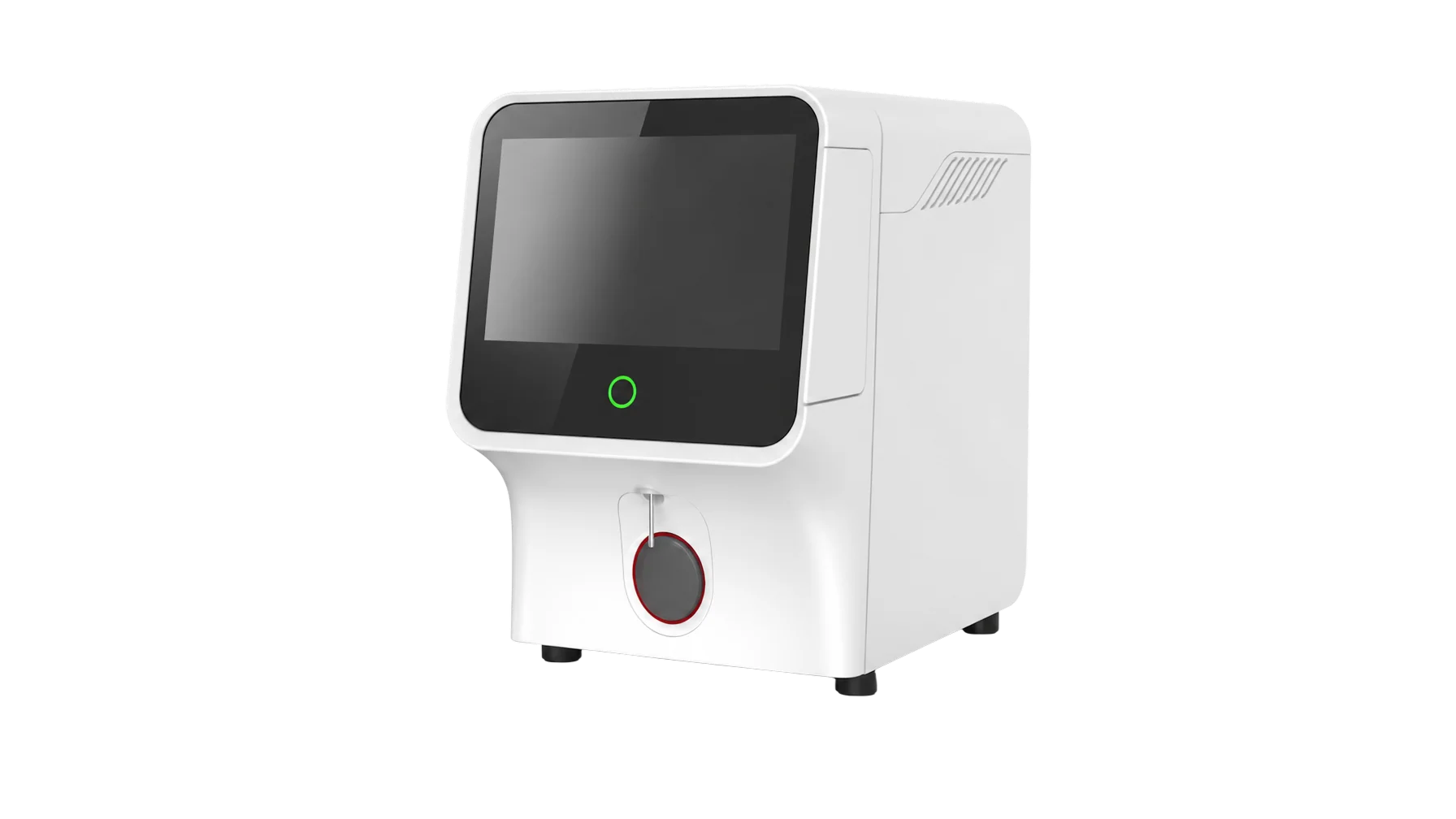
  • LABBlood and genetic testingWe identify risk factors for cardiovascular and cerebrovascular disease, including dyslipidemia, and look for high-risk dementia genes in advance so that prevention can begin.